How Toy Slogans From the 80s & 90s Made Kids Want Everything
Toy slogans from the 80s and 90s tapped into your emotions and aspirations, using catchy phrases like "Collect them all" to create a sense of belonging and urgency. These slogans resonated with bravery, friendship, and triumph, turning toys into symbols of social standing and desirability.
Combined with scarcity tactics and storytelling, they made toys feel like must-have valuables. Uncovering more about these strategies reveals why nostalgia and storytelling had such a powerful impact.
Key Takeaways
- Catchphrases like "Collect them all" created urgency and desirability, encouraging children to complete toy collections.
- Memorable slogans emphasized friendship and adventure, emotionally resonating and amplifying children's attachment to toys.
- Scarcity tactics in ads, like "Get it before it's gone!", triggered immediate action and FOMO among kids.
- Slogans using playful language and cultural slang, like "radical," made toys feel trendy and appealing.
- Emotional marketing drew on themes of bravery and triumph, making toys symbols of social status and belonging.
Catchphrases as Rallying Cries
Catchphrases from the 80s and 90s often acted as rallying cries, embedding themselves into the cultural fabric and driving consumer enthusiasm. Think about how "Collect them all" from My Little Pony captured your imagination.

These phrases evolved beyond simple marketing tools; they became cultural icons. Catchphrase evolution meant that slogans like these tapped into emotions, sparking nostalgia marketing today. The emotional resonance of 80s toy ads ensured that these slogans were not only memorable but also deeply impactful, creating a lasting impression on a generation of consumers.
Whether it was Mouse Trap's catchy gameplay song or the Cabbage Patch Kids' theme, these slogans weren't just about selling toys; they were about creating a sense of belonging and urgency. You didn't just want the toy; you felt you needed it to be part of something bigger.
This strategic use of language guaranteed these toys remain memorable, even decades later. The limited production runs of certain toys, such as Beanie Babies, heightened their desirability and contributed to the frenzy around collecting.
Storytelling and Adventure
While catchphrases rallied you around your favorite toys, storytelling and adventure took play to another level, weaving enchanting narratives into the fabric of each toy. He-Man's epic battles with Skeletor became cinematic showdowns, drawing you into a world of mythic conflicts and narrative immersion.
The Masters of the Universe commercials felt like serialized adventures, where dramatic music and dialogue transported you into an episodic saga. G.I. Joe's explosive scenes and heroic rescues encouraged you to script your own war stories, turning backyard play into a battlefield.
Barbie's Dreamhouse was an aspirational imaginary world filled with playful storytelling. These toys transformed simple playtime into grand adventures, making every moment feel like a new chapter.
Iconic toy lines like Transformers Generation One frequently revived their classic designs to capture nostalgia and attract both new and older fans. 80s toy commercials utilized captivating storytelling to create emotional connections, making kids feel like they were part of the action and enhancing the appeal of each toy.
Emotional and Social Status
Although storytelling raised playtime to epic adventures, it was emotional and social status that truly cemented a toy's place in the hearts of children. Advertisements tapped into emotional resonance by highlighting bravery, friendship, and triumph.
Slogans like My Little Pony's "For the little girl who dreams big" appealed to kids' aspirations, while dramatic music and dialogue enhanced immersion. Toys became symbols of social validation, depicted as must-haves for popularity.
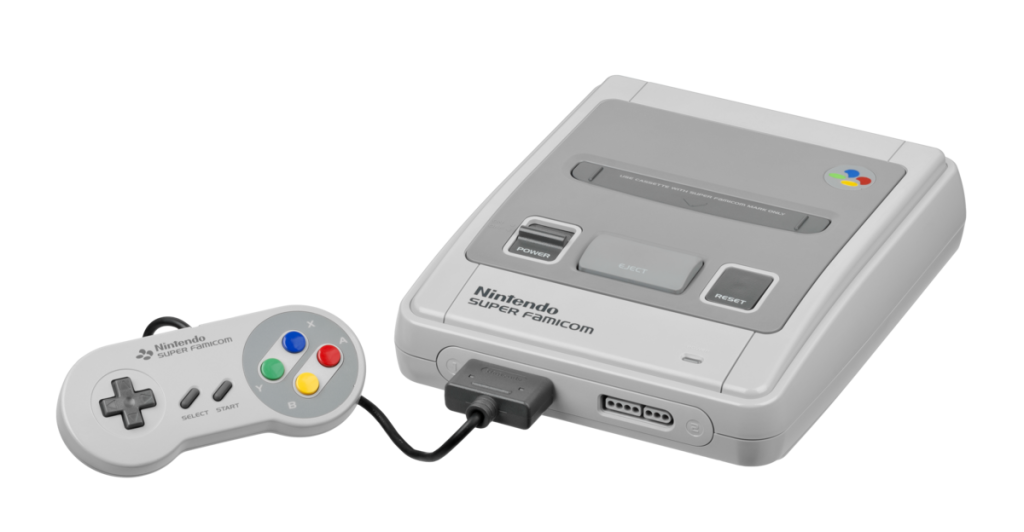
Commercials suggested that owning a Nintendo NES or a Disney's Enchanted Ice Vanity could elevate your social standing and group dynamics. In a similar way, Barbie's evolution over the years from a fashion doll to an emblem of diversity and empowerment reflects how toys can significantly influence societal perceptions and expectations.
By portraying toys as gateways to adventure and markers of status, marketers guaranteed that having them wasn't just about play—it was about belonging and being seen as the "cool kid." Through strategic use of persuasion techniques, such as emotional appeals and camera angles, advertisers ensured that children were captivated by the allure of these toys.
Scarcity and Urgency Tactics
Scarcity and urgency tactics transformed toy commercials into adrenaline-charged events, making every child feel like they were on a mission. With the scarcity mindset drilled into their heads, kids believed these toys were rare gems needing immediate action.
Urgency appeal in ads with phrases like "Get it before it's gone!" meant you had to act fast or miss out. The evaluation workflow used in organizations to refine processes mirrors the structured tactics of toy advertising, ensuring models meet specific performance criteria quickly and efficiently.
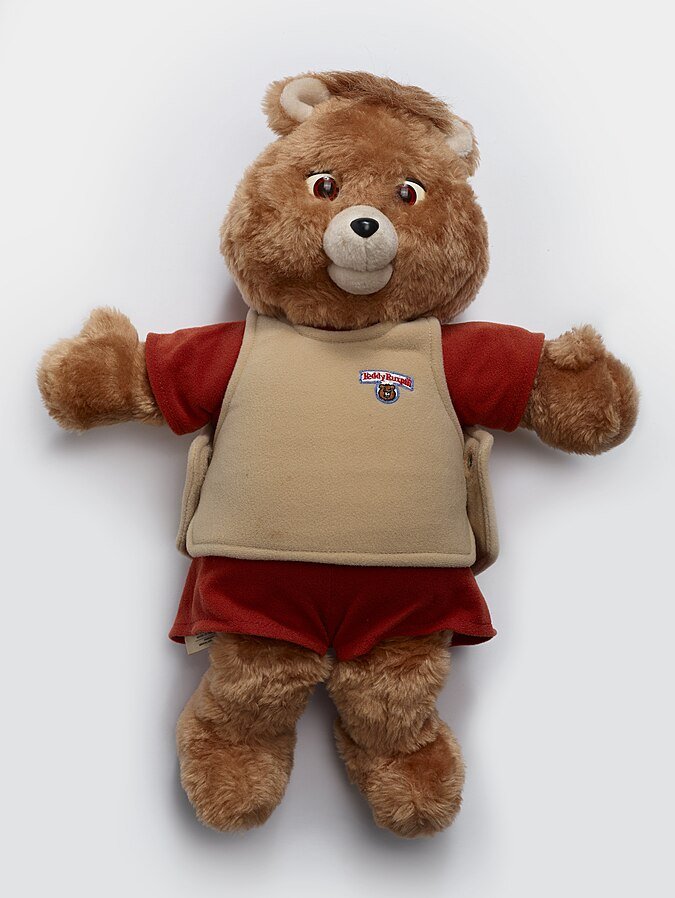
Teddy Ruxpin, recognized as one of the most iconic toys of the 1980s, exemplifies how these tactics contributed to its legendary status in toy history.
- Limited Editions: Toys like Masters of the Universe turned into must-have collectibles, amplifying FOMO.
- Visual Drama: Ads used countdowns and fiery imagery to make toys feel like fleeting opportunities.
- Holiday Rushes: Brands like Cabbage Patch Kids capitalized on festive seasons, creating store shortages and parental panic.
These tactics guaranteed that you, the enthusiastic child, felt the thrill of the chase.
Marketing to Parents Through Kids
Toy marketers in the 80s and 90s knew that the key to accessing parental wallets was through their children's relentless enthusiasm. They expertly tapped into child psychology to wield pester power mechanics.
Emotional satiation made toys seem vital for happiness, and vivid commercials featuring dramatic demos and catchy jingles anchored desires. You saw kids in ads enjoying toys, creating social comparisons that pressured parents through guilt and fear of exclusion.

Image:anonymous, Cps2000front, CC BY-SA 3.0
This parental influence was further manipulated by positioning toys as fundamental for developmental benefits, crafting a symbiosis of parental FOMO. Super Soaker transformed outdoor play, fostering community during water battles and enhancing the appeal of summer toys.
Through engaging storylines, toys promised belonging and mastery, making them irresistible. The result? Kids persistently pleaded, and parents felt compelled to give in, bridging the gap between desire and purchase.
In a world where traditional advertising is increasingly ignored, the strategic, channel-spanning approach of toy marketing in the 80s and 90s exemplified how effective content marketing could engage customers through storytelling rather than overt promotion.
Co-Creation With Consumers
In the constantly changing landscape of consumer engagement, co-creation with consumers has become a cornerstone of successful toy marketing strategies. By harnessing consumer creativity and collaborative design, brands like LEGO have transformed engagement into innovation.

Their Ideas Platform exemplifies how consumer input can lead to real products. You can participate in brainstorming sessions, merging your ideas with brand expertise to create exciting new toys. Engage in dedicated forums and social media groups for direct brand interaction. Submit your designs for potential productization and gain recognition. Collaborate on community-driven campaigns, shaping the marketing landscape.
This collaborative approach speeds up product development and reduces costs by aligning with your preferences. By leveraging user-generated content, brands foster authenticity and create a sense of community among consumers. It's not just about toys—it's about creating together.
The rise of interactive toy experiences, like LOL Dolls and Fidget Spinners, demonstrates the power of involving consumers in shaping products that captivate and engage.
Lasting Impact and Nostalgia
While the years have marched on, the impact of 80s and 90s toy slogans remains deeply ingrained in our cultural memory. These catchy phrases didn't just sell toys; they created lasting impact through narrative-driven adventures.
He-Man's battles didn't end when the TV turned off—they sparked nostalgic connections, making toys feel like gateways to fantasy. The introduction of the legendary building blocks LEGO in 1958 set the stage for imaginative play, influencing toy design and marketing strategies in subsequent decades. Surfer slang from the 80s, such as "radical" and "tubular," influenced many of the playful language in these toy slogans, adding to their appeal.
Slogans like "Transform and roll out!" became cultural phenomena, embedding themselves into everyday language. Emotional hooks in ads tapped into universal instincts like bravery and friendship, fostering deep bonds with products. These slogans weren't just for kids—they triggered nostalgia in parents, blending personal memories with their children's interests.
This multi-generational appeal guarantees that the echoes of these slogans continue to resonate, weaving through shared pop culture experiences.
Frequently Asked Questions
How Did Toy Slogans Influence Adult Purchasing Decisions?
Toy slogans influenced your purchasing decisions by tapping into slogan nostalgia and shaping consumer behavior. They created emotional connections through memorable phrases, making you recall your own childhood joys. Ads heightened urgency with scarcity messages and peer pressure, prompting quick buys.
They targeted parents by emphasizing educational benefits and the social status of owning trendy toys. These tactics made you feel compelled to purchase, ensuring your kids weren't left out.
What Role Did Jingles Play in Toy Advertising Effectiveness?
Jingles played an essential role in toy advertising by enhancing jingle memorability and creating an emotional connection with you, the consumer. They used catchy tunes and rhythmic patterns that stuck in your mind, making toys unforgettable.
These jingles were paired with exciting visuals, sparking emotions and making you feel thrilled about the product. The emotional bond formed through music and visuals made toys more appealing, driving you to desire and remember them effortlessly.
How Did Toy Companies Measure the Success of Their Slogans?
You measure slogan effectiveness by examining how often kids repeat those catchy phrases, like "Transform and roll out!" This taps into consumer psychology, where kids pester parents for toys. You track sales spikes after slogan-heavy ads and see if slogans resonate emotionally, driving toy requests.
Monitor how slogans create urgency with scarcity tactics, and analyze their presence in multimedia campaigns to enhance brand coolness and peer-driven demand.
Were There Any Controversies Surrounding Toy Marketing Slogans?
You might remember the slogan controversies that sparked debates about marketing ethics during the 80s and 90s. Toy companies often used gender-stereotyping slogans, like Barbie's "Math is tough!" which faced backlash for reinforcing misogynistic stereotypes. Violent slogans from horror-themed toys also received criticism.
View this post on Instagram
Safety issues and deceptive advertising techniques further fueled the controversies, as parents and educators demanded more ethical marketing approaches to protect children from misleading and harmful messages.
How Did Slogans Evolve in Toy Marketing Over the Decades?
You've seen how slogan evolution in toy marketing shifted from simple product descriptions to aspirational messaging. Companies used marketing strategies to engage emotions and imagination. In the 80s and 90s, slogans like "Be Who You Wanna Be" and "Collect Them All!" encouraged self-expression and collectibility.
Brands crafted narratives with emotional hooks, making toys feel vital. This evolution transformed slogans into powerful tools that connected emotionally with both kids and parents.