How to Identify & Value Vintage LEGO Sets From Different Eras
To identify and value vintage LEGO sets, tap into key elements like release year and theme trends. Familiarize yourself with distinct set numbers and designs, verifying authenticity through set numbers and part codes. Evaluate the set's condition and investigate period-specific minifigure details.
Stay informed on market demand and engage with collector communities. Rarity and uniqueness enhance value, much like a well-kept box. Learn these techniques to uncover hidden value in your collection.
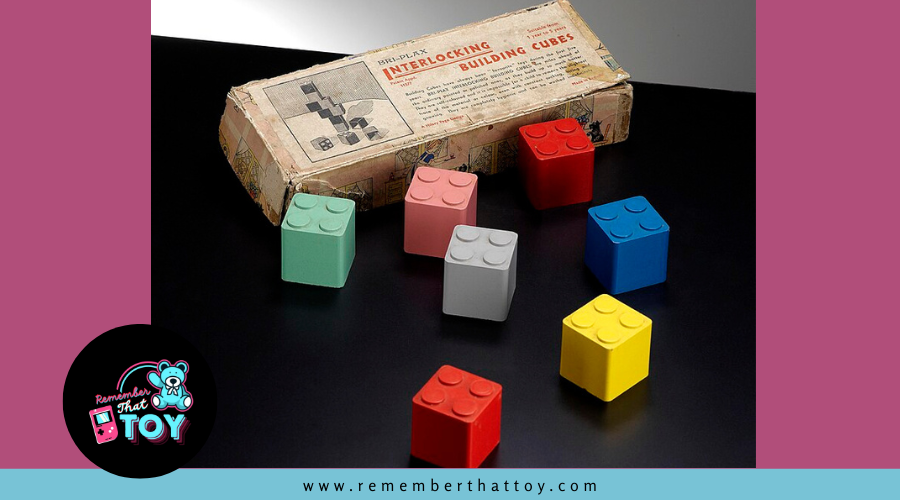
Image: Chas Saunter (hilarypagetoys.com), Bri-Plax Interlocking Building Cubes - Hilary Fisher Page 1939, CC BY-SA 2.0
Key Takeaways
- Recognize set numbers and themes to pinpoint the release era and historical context.
- Use LEGO databases and community platforms to verify set numbers and authenticity.
- Evaluate the physical condition and completeness of sets for accurate valuation.
- Analyze minifigure details to identify the specific era of production.
- Leverage online resources and community discussions for market trends and valuation insights.
Identifying LEGO Sets by Release Year
When you're trying to identify LEGO sets by their release year, understanding the evolution of set numbers is crucial. Early LEGO sets featured 3-digit numbers, evolving to 4-digit around the turn of the century, and 5-digit by 2013. This shift reflects changes in set design and production timelines.
For instance, modern themes like Technic and City use distinctive number blocks (e.g., Technic: 42xxx). Recognizing these patterns helps pinpoint when a set was produced. Additionally, licensed themes like Star Wars have specific ranges (e.g., 75xxx–79xxx) tied to release windows, highlighting production timelines.
View this post on Instagram
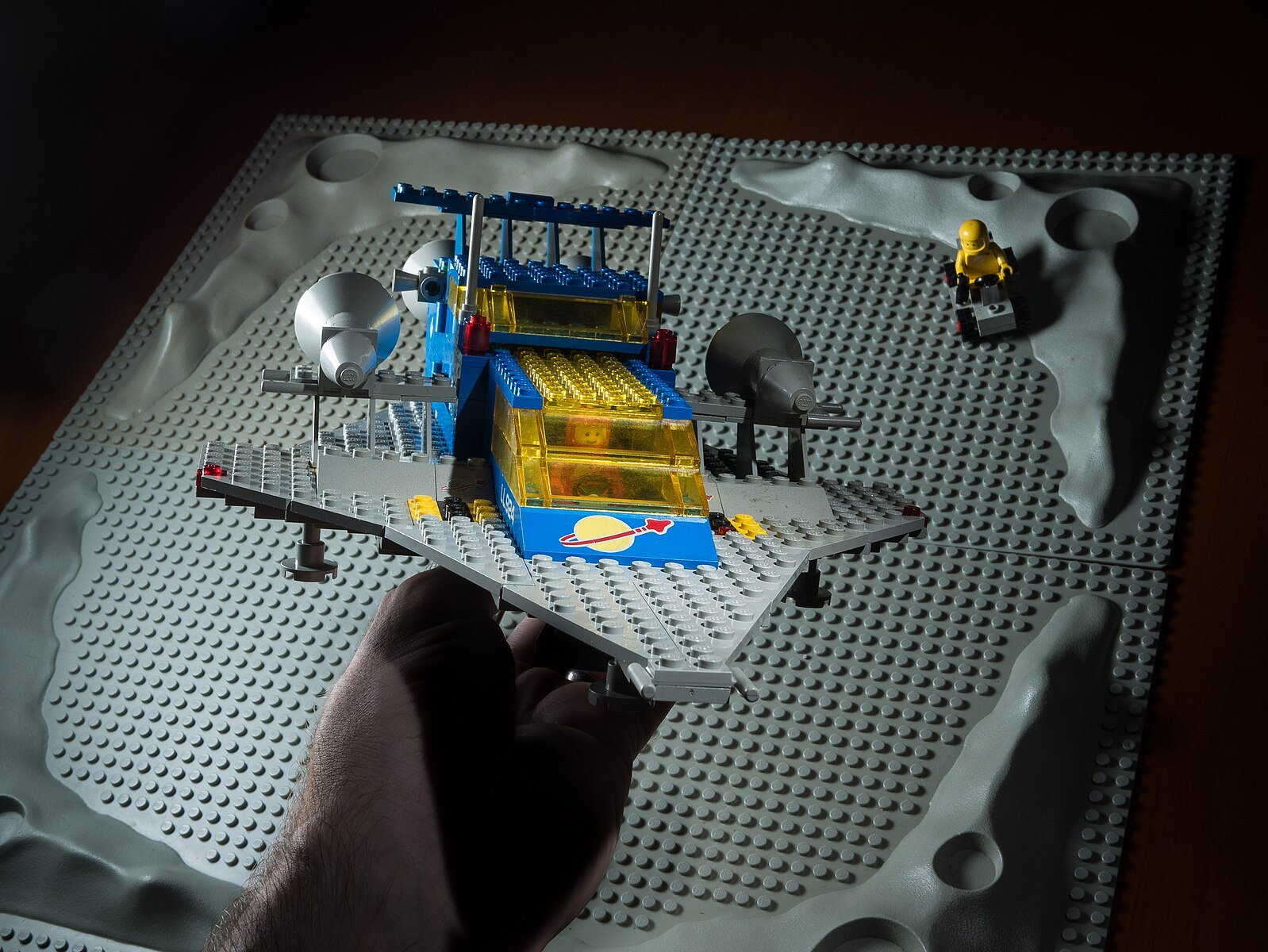
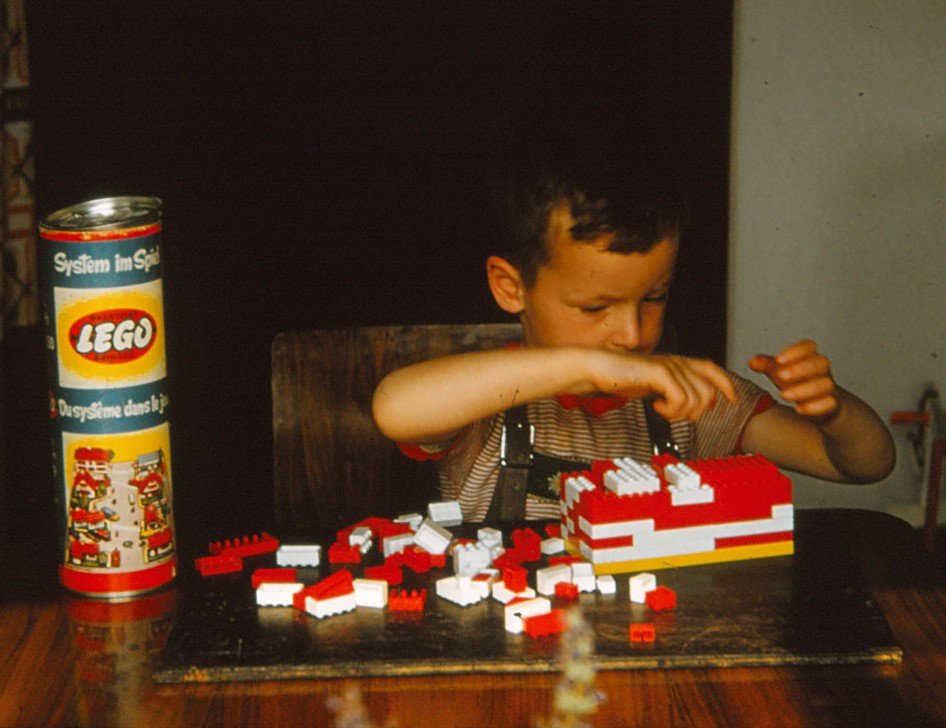
Re-released sets after 2013 often use unique ranges, indicating their time period. By familiarizing yourself with these numbering conventions, you can accurately determine a set's release year and better appreciate its historical context. Understanding the release year of a LEGO set is just one piece of the puzzle; recognizing the changes in theme and design further enriches your appreciation of these iconic toys. Theme evolution reveals how LEGO transformed from the colorful Space, Castle, and Town sets of the 1970s-1980s to more intricate themes like Creator Expert. Design innovation is evident in the shift from hand-drawn to computer-generated instructions, allowing for complex builds with numbered bags. You'll notice architectural updates like the 1x5x4 arch, which highlight new design priorities. Changes in minifigures, from uniform smiles to diverse expressions, also mark significant milestones. By understanding these evolutions, you can better identify and value vintage sets, appreciating the legacy of LEGO's creativity. The transition from hand-drawn to computer-assisted design has improved clarity and usability, making it easier for builders to follow instructions and complete their projects successfully. Ever wondered how to accurately identify a vintage LEGO set? Start with set identification techniques by searching LEGO's official website using keywords or images to locate set numbers from instructions. Confirm production status to see if the set is retired. Use community platforms like Brickset for historical listings. Screenshot set numbers and part lists for cross-referencing accuracy. For part code verification, locate the parts list in manuals, noting design numbers and quantities. Use LEGO's Pick a Brick tool and visual databases to match bricks to current codes. Cross-reference against BrickLink's catalog for precision. Check original packaging elements for authenticity. These steps guarantee you accurately identify and value your vintage LEGO sets, aligning them with secondary market standards. Use the set number to search on the LEGO® Customer Service Building Instructions page for a downloadable PDF of the instructions, which can assist in confirming the set's identity. Evaluating the condition of vintage LEGO sets is vital for determining their market value. Start by using a condition grading system to assess each set. MINT sets, which are new and sealed, attract the highest prices. Father of Rathfelder, Lego in 1957, CC BY-SA 4.0 In contrast, those labeled as POOR, due to discoloration or visible damage, see their value drop considerably. Collector preferences often lean towards pristine, unplayed sets, making the physical state of the bricks and minifigures paramount. Pay attention to wear indicators like scuffs and cracks, as these can affect valuations. Moreover, original packaging quality, including box condition and seal integrity, plays a considerable role. Remember, sets stored properly in climate-controlled environments with minimal handling maintain their value better over time. Discontinued sets tend to have higher value due to rarity, which further emphasizes the importance of careful condition evaluation. When exploring the world of vintage LEGO sets, you can't overlook the significance of minifigures, which have evolved dramatically over the decades. The expedition begins in the 1970s with the initial building figures, evolving into the modern minifigure by 1978, known for its moveable arms and legs. The 1980s marked a significant phase in minifigure evolution with the introduction of accessory trends, including hats and weapons, enhancing their thematic appeal. The 1990s brought forth licensed themes like Star Wars, featuring improved printing and unique details, such as cloth capes. Fast forward to the 2000s-2010s, collectible series and special features emerged, adding depth to their designs. Recent releases like Avatar 2 minifigures launched in late 2022, have gained significant popularity and reflect Lego's strategy to capture current trends. Understanding these nuances helps you appreciate the rich history behind each period's distinctive minifigures. While diving into the world of vintage LEGO sets, understanding how rarity and popularity influence their value is crucial. Rarity often hinges on limited production runs and exclusive releases. Sets like the LEGO Star Wars Ultimate Collector Series Millennium Falcon have seen values soar due to their scarcity. Discontinued sets, especially those from enduring franchises, gain worth as collectible trends favor their scarcity and nostalgia factors. Event-exclusive sets, like Comic-Con exclusives, become highly sought after. A supportive network of individuals sharing passion and expertise exists within the community, facilitated by forums, social media groups, conventions, and exhibitions. LEGO's System in Play, launched in the 1960s, encouraged compatibility across sets, contributing to their enduring appeal among collectors. Popularity is driven by the set's theme and alignment with beloved franchises such as Star Wars or Harry Potter. Sets with cultural relevance or iconic imagery, like the UCS Death Star II, maintain high demand. Nostalgia factors, especially those tied to vintage themes and iconic designs, further improve desirability. Maneuvering the vintage LEGO market requires a keen eye for trends and awareness of potential pitfalls. Market speculation can inflate prices, especially with limited editions, making it vital to understand investor strategies. Popular themes like Star Wars and Harry Potter usually yield higher returns, but be cautious—niche themes without strong IP backing might not appreciate as expected. It's important to note that unopened, mint-condition sets command the highest premiums, reflecting their significance in value preservation. Condition is important; unopened sets fetch double their original price, so verify completeness and quality before buying. Watch out for scalper saturation, which can hinder accessibility for casual buyers. Market volatility is common, with retired sets' values influenced by new releases or pop culture shifts. Stay informed and agile to navigate this dynamic market effectively and avoid common pitfalls. To accurately value vintage LEGO sets, tapping into community resources is essential. Engage with LEGO enthusiasts through Facebook groups and Reddit forums like r/legotrade. These platforms provide real-time valuation discussions, helping you refine your valuation techniques. Join LEGO User Groups (LUGs) for insights into local trends and access to rare finds within your community. Attend LEGO conventions and listen to podcasts to network with experts and learn about pricing cues. These community engagements are crucial for staying updated on market dynamics. Utilize Brickset's collection management features to compare your inventory's value against others. By sharing set details in these communities, you can also crowd-source opinions on rarity and value, ensuring a thorough understanding of your vintage LEGO collection's worth. Leveraging online resources such as BrickLink and BrickEconomy can provide additional data and tools for accurate valuation and market analysis. In regard to guaranteeing the authenticity of vintage LEGO sets, a careful approach is vital. Start by inspecting packaging features: check for unbroken seal integrity, consistent barcode placement, and undamaged box corners. Weigh the set to confirm it matches official LEGO specifications. Counterfeit indicators include reattached packaging materials or mismatched box contents. For bricks and minifigures, verify the "LEGO" logo on studs and look for internal markings like copyright symbols. Genuine bricks display lively, uniform colors; faded shades might indicate counterfeits. Confirm minifigures are complete with accurate prints. Cross-reference set numbers with LEGO's database and confirm the presence of original accessories. Be wary of too-good-to-be-true deals, and consult trusted sources to avoid clones. Mint sealed LEGO sets are highly valued by collectors, and ensuring a set is in pristine condition is essential for maximizing its value and appeal. To preserve your vintage LEGO sets' value, use airtight storage containers and maintain proper humidity control. Keep the temperature between 14°C–20°C and humidity below 40%. Avoid direct sunlight and store away from heat sources. Use ziplock bags for pieces and label containers for easy identification. Clean pieces before storage, and inspect them annually for damage. Use desiccant packets to control moisture, and avoid basements or attics for storage. When cleaning old LEGO bricks, use gentle cleaning techniques and suitable cleaning products. Soak them in warm, soapy water (below 104°F), and use a soft-bristled toothbrush for stubborn grime. Rinse thoroughly, and air-dry with fans or towels. Avoid abrasive tools and harsh chemicals. For delicate parts, hand-clean with care. Test methods on single bricks initially, and always separate fragile pieces. These steps guarantee your LEGO stays in top condition. You can protect your vintage LEGO collection against theft or damage by exploring specialized insurance options. Start with a thorough collection appraisal to determine its current value. Consider insurers like America's Collectors Insurance, which understand appreciating assets. Make certain you have detailed documentation, including set numbers and purchase history. Remember, standard homeowners insurance often isn't enough, so a "collectibles floater" or dedicated policy can provide the coverage you need. To determine the original price of a vintage LEGO set, start by checking BrickLink for historical listings that include MSRP. Use LEGO's retired sets archive or BrickSet to find original recommended retail prices. You can also contact LEGO customer service for confirmation. For price comparison, look at eBay's completed listings and BrickLink's "Items for Sale" tab to see how current market values align with the original price. When collecting vintage LEGO, you might fall for some common myths. People often think all old sets are valuable, but that's a valuation error. Not every pre-2000 set is worth a lot; rarity and condition matter more. Don't assume nostalgia alone elevates value. Also, opened sets aren't automatically worthless; well-kept ones can still fetch a good price. Be aware of these misconceptions to avoid overpaying or undervaluing your collection.Recognizing Theme and Design Changes
Verifying Set Numbers and Part Codes
Assessing the Condition of LEGO Sets
Understanding Minifigure Details by Era
Evaluating Rarity and Popularity Factors
Tracking Market Trends and Pitfalls
Utilizing Community Resources for Valuation
Ensuring Authenticity of Vintage LEGO Sets
Frequently Asked Questions
How Do I Properly Store Vintage LEGO Sets to Preserve Their Value?
What Are the Best Practices for Cleaning Old LEGO Bricks?
Can I Insure My Vintage LEGO Collection Against Theft or Damage?
How Do I Determine the Original Price of a Vintage LEGO Set?
What Are Common Misconceptions About Vintage LEGO Collecting?