How Tin Wind-Up Toys Became a Nostalgic Favorite
Wind-up toys have a fascinating history that stretches back to the 4th Century B.C., with modern designs beginning to take shape in 15th-century Europe, where they were crafted mainly for the wealthy aristocracy. Initially, these mechanical toys were exclusive novelties, showcasing intricate craftsmanship and clockwork mechanisms. As time progressed, the late 19th century marked a revolutionary shift with the advent of mass production.
This technological leap allowed wind-up toys to become more popular, making them accessible to a broader audience, especially children. The evolution of retro toys into new forms reflects the enduring appeal of creativity and imaginative play, much like the charm of wind-up toys. The introduction of tin as a primary manufacturing material was the key during this period.
It enabled lively lithographed designs and intricate detailing that captured the imaginations of young playmates. These colorful creations quickly became beloved playthings, embodying the spirit of innovation and creativity. Even though the rise of plastic and electric toys post-World War II led to a decline in traditional wind-up toys, their nostalgic charm has kept collector interest alive.
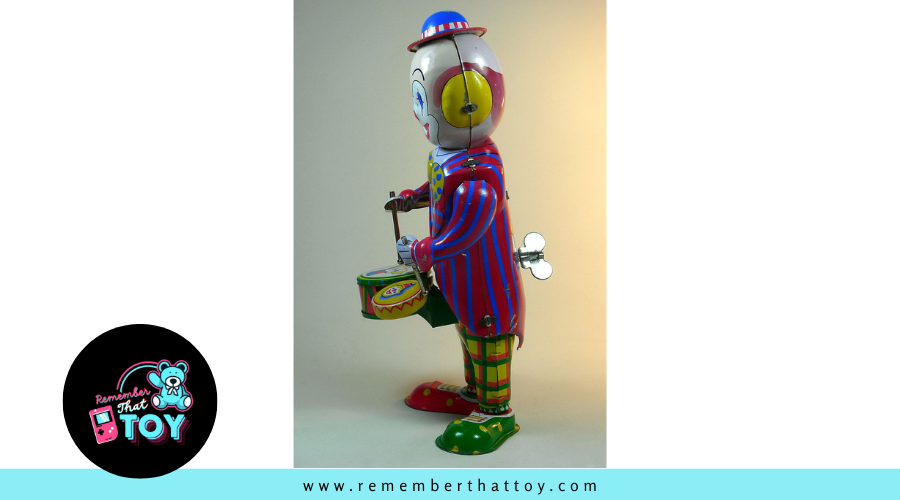
Image: DJ Shin, Unknown Chinese Maker Tin Wind Up Clown Drummer Side, CC BY-SA 3.0
Evolution of Tin Toy Design
The evolution of tin toy design reflects a remarkable journey of creativity and innovation that began in early 19th century Germany. This period introduced intricate clockwork mechanisms that set the standard for the toy-making industry. As manufacturing techniques advanced, by the late 19th century, these toys became a staple in households, as companies produced a wide range of tin wind-up toys, including animals, vehicles, and fanciful characters.
The early 20th century brought the introduction of lithography, which improved the visual appeal of tin toys. This innovation allowed for colorful and detailed designs that captured the imaginations of children and collectors alike. After World War II, Japanese manufacturers rose to prominence, incorporating unique designs and techniques inspired by earlier German models, further diversifying the market.
Although the shift toward plastic toys in the 1960s marked a decline in tin toy production, the craftsmanship and nostalgic value of vintage tin toys continue to resonate today. You can see how these toys, with their intricate designs and rich history, maintain a special place in the hearts of collectors and enthusiasts.
The Appeal of Tin Wind-up Toys
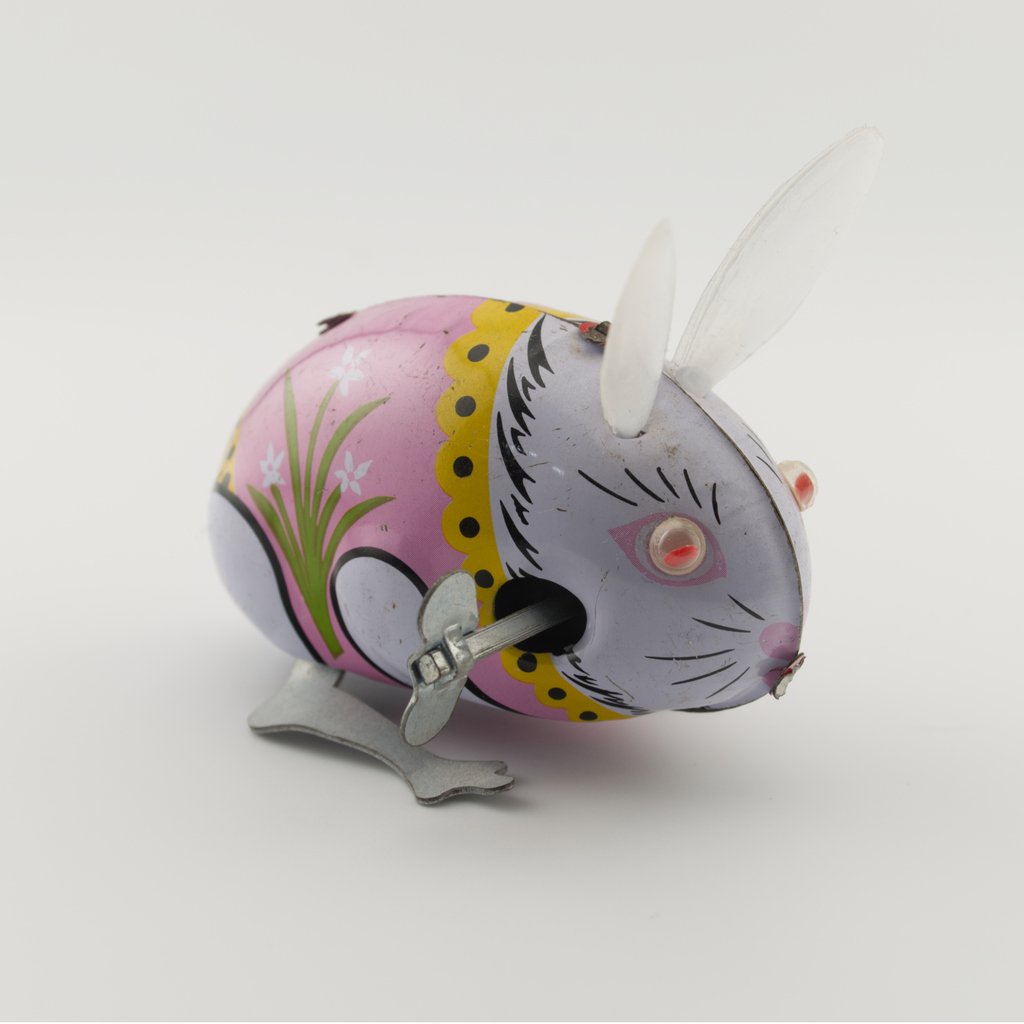
Brightly colored tin wind-up toys capture the essence of childhood, drawing you in with their fanciful designs and playful movements. Their lively colors and intricate craftsmanship evoke nostalgia, reminding you of simpler times. Unlike today's digital toys, the mechanical movements of these vintage toys provide a tactile experience that feels both engaging and invigorating.
Many collectors hunt for highly collectible pieces, appreciating the historical significance and skilled artistry that goes into each toy. Well-preserved models often fetch impressive prices at auctions, adding to their allure.
The recent resurgence in retro trends has reignited interest in these charming toys, with many individuals celebrating their simplicity and craftsmanship. You might find that discussing your collection sparks delightful conversations, connecting you with others who share your enthusiasm.
Types of Tin Wind-up Toys
A diverse array of tin wind-up toys exists, each type showcasing unique designs and movements that enthrall collectors and children alike. Among these, mechanical animals stand out, with tin wind-up frogs and birds mimicking real-life behaviors. Their charming antics captivate audiences, making them a beloved choice for play and collection.
Vehicles were particularly popular in the early 20th century, featuring tin wind-up cars and trains adorned with intricate lithographed designs. These toys not only boast functioning wheels that move when wound up but also evoke a sense of nostalgia for a simpler time. The thrill of watching them zoom across the floor brings joy to both young and old.
In the 1950s, robots and space-themed tin wind-up toys emerged, reflecting society's fascination with technology and space exploration. Their colorful, imaginative designs invite you to dream of other worlds.
Some tin toys even utilize unique mechanisms, like friction or pull-back actions, which improve play experiences beyond mere winding. With such a variety, there's always something new to uncover in the world of tin wind-up toys, ensuring their enduring appeal.
View this post on Instagram
Collecting Tin Wind-up Toys
For many enthusiasts, collecting tin wind-up toys is more than just a hobby; it's an adventure into nostalgia and craftsmanship. The lively colors and intricate designs of these toys often pull you in, evoking cherished memories of childhood. When you engage in collecting tin toys, you'll uncover:
- The allure of vintage pieces, often produced in the mid-20th century.
- The thrill of hunting down rare finds, where condition and historical significance can greatly impact value.
- The joy of connecting with fellow collectors, sharing insights, and trading pieces.
As you investigate specific themes or periods, like 1950s Japanese tin toys known for their creativity or high-quality German-made toys, your appreciation deepens. Researching the history and production details of each toy not only boosts your knowledge but also informs your investment decisions. While modern wind-up toys might be fun, they lack the charm and intricacy of their vintage counterparts. Networking through forums, toy shows, and conventions can open doors to hard-to-find pieces and enrich your collecting experience. Each toy you add to your collection isn't just an object; it's a story waiting to be told.
Where to Find Tin Toys
Finding tin toys can be an exciting trove hunt that leads you to unexpected gems. Antique stores often have a selection of rare and affordable tin toys, making them a great starting point for collectors. You'll enjoy browsing through these shops, as each corner might hold a delightful surprise from the past.
Toy shows and conventions are fantastic venues to connect directly with sellers and fellow enthusiasts. These events often feature unique items that you may not find elsewhere.
Additionally, specialized online marketplaces focus on vintage toys, simplifying your search with categorized listings and detailed descriptions. Just remember to research sellers and read reviews to guarantee you're making reputable purchases, especially when dealing with high-value items. With these resources, your quest for tin toys can be both fulfilling and enjoyable!
Notable Tin Toy Brands
Tin wind-up toys have captivated collectors and nostalgic enthusiasts alike, thanks to several notable brands that have made their mark in toy history. Each brand brought its unique flair, showcasing creativity and craftsmanship that still strikes a chord today.

- Schuco: Founded in 1912, this German company is renowned for its intricate mechanical designs and high-quality craftsmanship. Their toys often feature elaborate movements and attention to detail, making them highly sought after.
- Bandai: Gaining fame in the post-WWII period, this Japanese manufacturer created groundbreaking and colorful tin wind-up toys. Bandai's "Shogun Warriors" line in the 1970s featured tin robots that combined traditional techniques with modern designs, appealing to both kids and collectors.
- Marx Toys: Established in the early 1900s in the U.S., Marx Toys delighted children with its diverse range of playsets and vehicles. Their wind-up toys became iconic, providing endless fun and imaginative play for generations.
These brands not only shaped the tin toy landscape but also inspired a sense of nostalgia that continues to thrive among collectors today.
Modern Relevance of Tin Toys
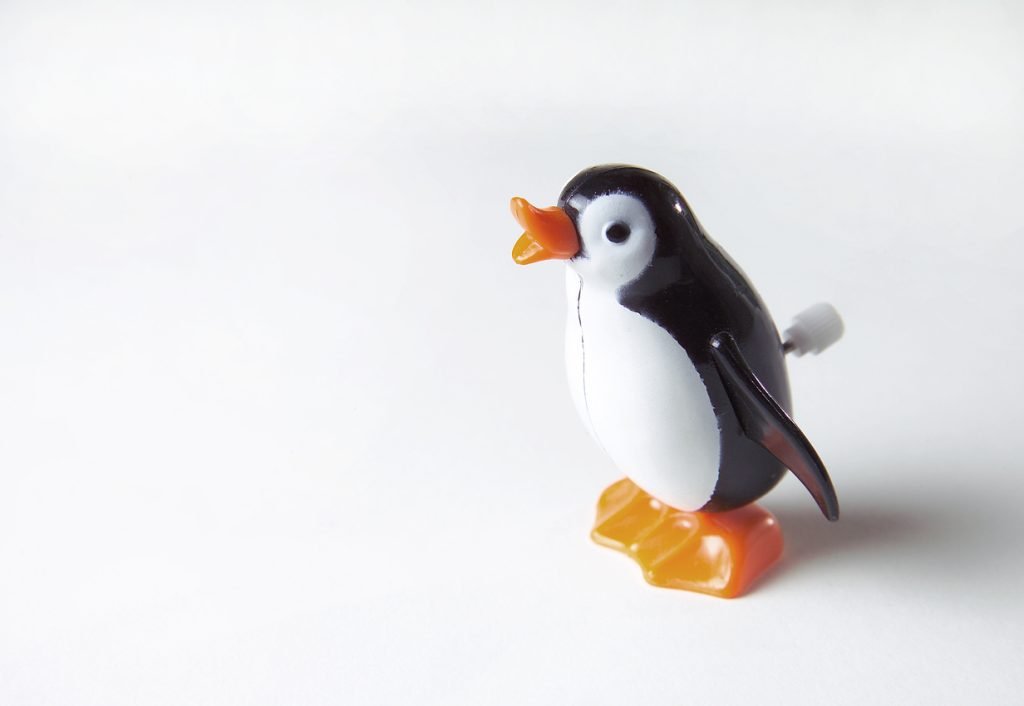
Amid a wave of digital playthings, tin wind-up toys have made a striking comeback, enchanting both collectors and new enthusiasts alike. You might find yourself drawn to these charming artifacts as they evoke a sense of nostalgia that's hard to resist. Many collectors are keen to reconnect with their childhood memories, seeking out unique pieces that represent the craftsmanship of earlier toy designs.
Modern manufacturers recognize this trend, producing retro-style tin toys that appeal to your desire for sustainability and authenticity. These toys not only spark joy but also serve as educational tools, helping children grasp basic principles of physics and mechanics through play.
Vintage tin toys are increasingly featured in art and design exhibitions, solidifying their status as cultural artifacts. The Slinky, inducted into the National Toy Hall of Fame, is another example of a toy that has maintained its cultural significance over the decades. Online marketplaces and toy conventions have become buzzing hubs for enthusiasts like you, providing opportunities to buy, sell, and share your passion for tin wind-up toys. This lively community of collectors fosters connections and encourages the appreciation of these delightful pieces, ensuring that the charm of tin toys continues to thrive in the contemporary world.
Wrapping Up
Tin wind-up toys carry a timeless appeal that continues to fascinate enthusiasts across generations. Their bright colors, intricate mechanisms, and nostalgic charm create a connection to a simpler time when imagination was the centerpiece of play.
For collectors and enthusiasts, tin wind-up toys are more than just playthings—they are pieces of history that tell stories of innovation and artistry. As their popularity endures, so does the joy of sharing and celebrating these mechanical marvels.