How Spinning Tops Became Timeless Playthings

Exploring the ancient origins of spinning tops reveals a mesmerizing expedition through time. You'll unearth that spinning tops date back to ancient civilizations, with clay tops found in Iraq dating as far back as the 35th century BC. This early evidence showcases their long-standing appeal and suggests that the history of spinning tops is deeply rooted in human culture.
A significant find comes from King Tut's tomb, where a wooden spinning top dating around 1300 BC highlights the cultural significance of tops in ancient Egyptian society. You'll also find references to tops in Homer's "Iliad," indicating their importance in ancient Greek culture as popular children's games and competitions.
Across the globe, numerous indigenous tribes crafted tops from natural materials like fruits, nuts, and seeds, reflecting the universal allure of these gravity-defying objects. Archaeological findings reveal spinning tops have been located on every continent except Antarctica, underscoring their widespread popularity.
Image: Davidturnswood, A tough gang of Spinning Tops, CC BY-SA 3.0

Physics Behind Spinning Motion
Understanding the physics behind spinning motion reveals the fascinating principles that keep spinning tops upright and stable. At the heart of this is angular momentum, which is the product of the top's rotational speed and its mass distribution. When you spin a top, it maintains its motion due to Newton's initial law of motion, which states it'll keep spinning until an external force, like friction, acts upon it.
On a smooth surface, a well-balanced top can spin for a surprisingly long time, showcasing the importance of minimizing friction. However, friction between the top and the surface generates heat, and this energy loss is what eventually causes the top to slow down. The design of modern tops emphasizes reducing this friction, often incorporating ball bearings to improve performance and prolong spinning durations.
Cultural Significance Across Civilizations
Spinning tops aren't just fascinating from a physics standpoint; they hold deep cultural significance across civilizations. You'll find these playful objects on every continent except Antarctica, showcasing their universal appeal. In ancient Malay culture, top spinning wasn't merely a children's game; it was also a respected sport for adults, reflecting the cultural value placed on skill and competition.
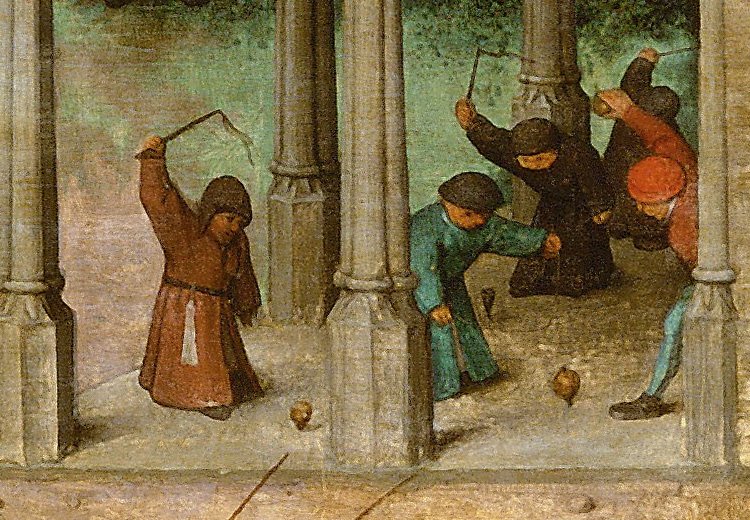
Medieval European towns often hosted communal entertainment centered around spinning tops, illustrating their role in fostering social interactions and community engagement. In Japan and China, skilled top-spinners were celebrated as entertainers, highlighting the artistry and talent associated with this craft.
Evolution of Design and Functionality
Throughout history, spinning tops have transformed dramatically in both design and functionality, reflecting the ingenuity of their creators. Initially, you'd find primitive tops made from natural materials like acorns and seeds, showcasing early human creativity. By the 18th and 19th centuries, tops gained popularity in Europe and America thanks to advancements in design and greater accessibility to materials.
As time progressed, the introduction of new materials such as metal, glass, and plastics allowed for more intricate designs and improved durability. This evolution greatly enhanced the functionality of tops, making them more appealing to children and adults alike. The introduction of innovations like ball-bearing mechanisms in 1995 reduced friction, allowing tops to spin longer than ever before, transforming play experiences into something truly mesmerizing.
Types of Spinning Tops
There are several distinct types of spinning tops, each offering a unique experience and mechanics. Supported tops, for example, spin by pulling a cord while balanced on a support structure. This design showcases continuous motion driven by external support, allowing you to marvel at their stability. Whip tops, known for their simplicity, have been enjoyed globally for centuries. Their ease of use makes them engaging, and you'll find yourself captivated by their spinning action.
Then there are throwing tops, often pear-shaped, which have evolved from materials like bone and metal. These advancements improve durability and balance, enhancing your spinning performance. You'll appreciate how they've adapted over time to create a more satisfying experience.
Lastly, innovations like ball-bearing tops, introduced in 1995, have taken the types of tops to new heights. They boost functionality and revolutionize the experience of spinning, giving you more control and excitement as you play. Each type of spinning top presents its own charm and challenges, ensuring that you'll always find something new and enjoyable to investigate in this timeless pastime.
Historical References and Archaeology
The historical expedition of spinning tops reveals a fascinating connection between play and culture across civilizations. Archaeological findings showcase clay tops dating back to 3500 B.C. in ancient Ur, Iraq, underscoring humanity's early fascination with these toys. You'll find that terra cotta spinners from 3000 B.C. identified at Troy highlight how spinning tops served purposes beyond mere amusement, indicating their role in numerous cultural practices.
In Egypt, wood-carved whip tops from 2000-1400 B.C. demonstrate not only craftsmanship but also the cultural significance attributed to spinning tops in ancient societies. Literary references, such as those in "The Iliad" (800 B.C.) and Plato's "Republic" (360 B.C.), reflect the philosophical and social aspects of play associated with these toys in ancient Greek culture.
Moreover, historical artifacts like fired clay spinning tops from Thebes, Greece, dated to 1250 B.C., suggest that these toys held symbolic meanings that transcended entertainment. By examining these archaeological and literary references, you can appreciate how spinning tops have woven themselves into the fabric of human history, serving as timeless playthings that connect us with our past.
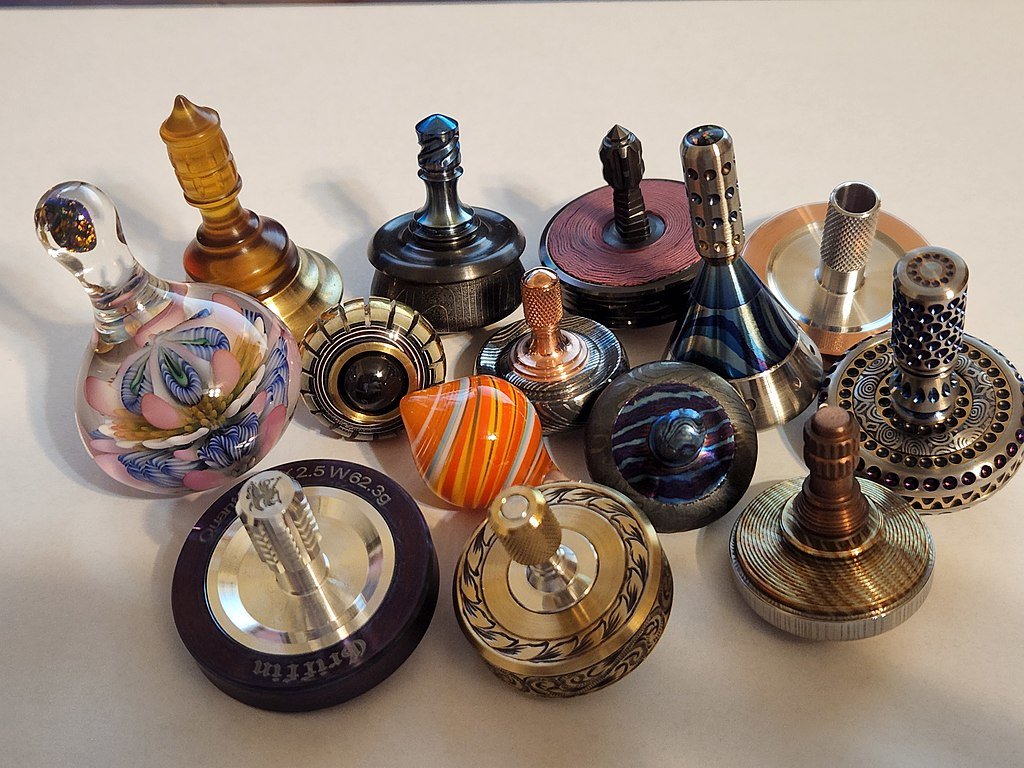
Image: HumphreyCEarwicker, Modern Tops, CC BY-SA 4.0

Innovations and Modern Developments
Spinning tops have come a long way since their ancient origins, showcasing remarkable innovations that upgrade both their design and functionality. Currently, you'll find modern spinning tops handcrafted from diverse materials like wood, metal, glass, and plastic, each exhibiting unique designs and features. One significant innovation is the introduction of ball-bearing technology in 1995, which reduces friction and allows for longer spin times.
Lacopo Simonelli even set a record with a non-mechanical top spinning for over 50 minutes, demonstrating advancements in balance and design. Additionally, the development of magnetic spinning tops is pushing boundaries by nearly eliminating friction entirely, paving the way for improved performance and extended spinning durations.
Contemporary tops, such as Breezy Spinners, have transformed into multifunctional accessories that not only provide entertainment but also promote mental focus and fine motor skills. These innovations merge play with practical benefits, making spinning tops relevant in the present fast-paced world.
Psychological and Cognitive Benefits
Research shows that practicing with spinning tops daily can improve your fine motor skills and hand-eye coordination, benefiting cognitive development at any stage. Regardless of whether you're a child learning coordination or an adult looking to keep your skills sharp, spinning tops deliver. Moreover, engaging with these toys fosters social interaction and friendly competition among peers, improving your social skills and encouraging cooperative play.
The act of spinning can serve as an effective tool for promoting tranquility, appealing to enthusiasts across diverse age groups. By incorporating spinning tops into your routine, you not only enjoy a timeless pastime but also gain valuable psychological and cognitive benefits that can positively impact your daily life.
Spinning Tops in Contemporary Culture
In the present fast-paced world, spinning tops have found their way back into popular culture, transforming from simple toys into multifunctional playthings that captivate both young and old. Products like Breezy Spinners are designed not just for fun but to promote relaxation and improve fine motor skills while mesmerizing users with their patterns.
The introduction of Takara Tomy's Beyblades in 2000 brought classic spinning top designs into the modern age, augmented by an anime series and varied gameplay that resonates with today's youth. In classrooms, spinning tops serve as effective educational tools, helping students grasp physics concepts like rotation and momentum through engaging, hands-on experiences.
Wrapping Up
Spinning tops have endured through centuries, evolving across cultures and innovations while maintaining their simple yet mesmerizing appeal. Their timeless charm lies in their ability to connect generations, offering both nostalgia and enjoyment for all ages.
These playthings continue to capture attention in modern times, blending tradition with fresh designs and purposes. Whether used as educational tools, competitive items, or just for fun, spinning tops remain a beautiful example of how something so simple can bring endless joy.
Related posts