How Magnetic Letter Sets Boosted Early Literacy
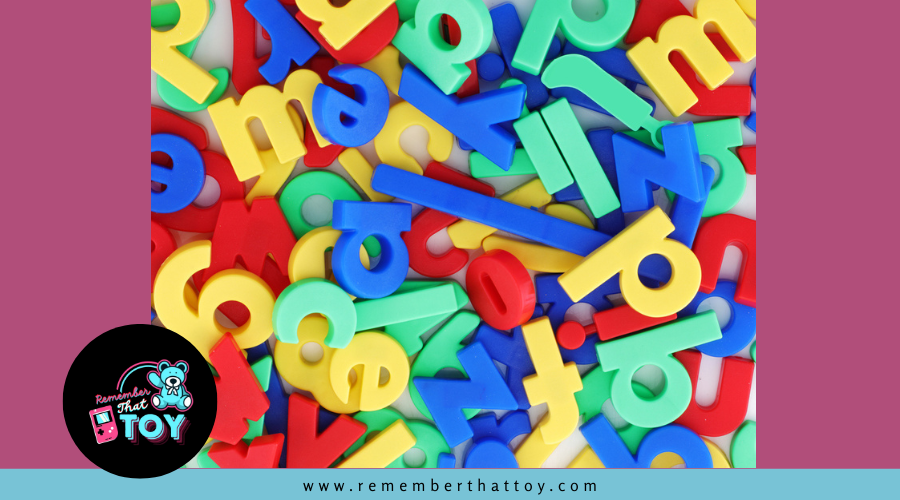
Using magnetic letter sets can be an exciting way to introduce young children to the world of letters and literacy. The strong magnets allow the letters to stick securely to magnetic surfaces, making them perfect for classrooms and playrooms.
Magnetic letter sets promote engaging learning activities, where kids can practice letter sounds and names in a hands-on manner. These interactive experiences not only support literacy skills but also foster fine motor skill development as children manipulate the letters during play. Plus, the included plastic storage bucket keeps everything organized, making it easy for you to prepare and clean up after each session.
Enhancing Letter Recognition Skills
Many parents and educators find that magnetic letter sets are an effective tool for enhancing letter recognition skills in young children. These sets facilitate hands-on learning experiences, allowing kids to engage with letters through tactile manipulation. When children physically interact with magnetic letters, they strengthen their ability to recognize letters visually and physically.
Using color-coded letters—consonants in blue and vowels in red—makes it easier for children to distinguish between different letter types, reinforcing their letter recognition skills. Activities like sorting letters into vowels and consonants not only enhance letter recognition but also deepen understanding of letter-sound correspondence, laying a strong foundation for early education.
The soft foam material of magnetic letters is safe and easy for young children to handle, encouraging repeated use and consistent practice. When you incorporate these letters into collaborative group activities, you foster teamwork and provide a social learning environment where children can practice and reinforce their letter recognition skills together.
Through word-building and engaging activities, magnetic letters offer an enjoyable and effective way for young children to develop essential literacy skills that will benefit them throughout their educational path.
Promoting Phonemic Awareness
Magnetic letter sets are powerful tools in promoting phonemic awareness among young children. By allowing students to use these letters, you can help them manipulate and sound out letter sounds, which is vital for early literacy. Engaging with magnetic letters not only makes learning fun but also reinforces the connection between letters and their corresponding sounds.
Here are three effective ways to improve phonemic awareness using magnetic letters:
- Blending and Segmenting: Encourage students to blend sounds together or break them apart, helping them understand how sounds form words.
- Sorting Letters: Have children categorize letters into vowels and consonants. This activity supports their ability to recognize phonemic patterns and enhances their phonological processing skills.
- Interactive Spelling: Use magnetic letters for creating words through interactive spelling exercises. This practice promotes their decoding and encoding abilities, reinforcing letter formation.
Incorporating activities like rhyming games and sound matching with magnetic letters fosters early phonemic awareness, laying a strong foundation for successful reading and writing skills. With these tools, you're setting the stage for your students' literacy expedition.
Hands-On Learning Activities
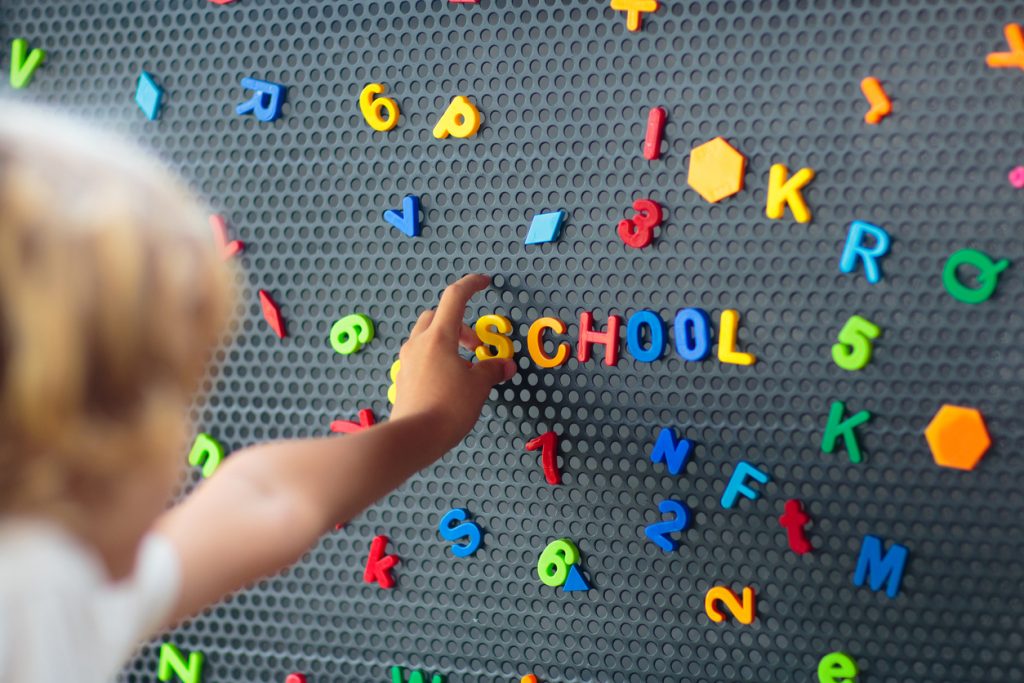
Hands-on learning activities with magnetic letter sets make literacy engaging and interactive for young learners. By manipulating these colorful letters, children not only develop fine motor skills but also deepen their understanding of letter sounds and recognition. You can create activities like sorting letters into vowels and consonants, which reinforces foundational concepts essential for early literacy.
Incorporating phonics games into your learning routine adds an element of fun while helping kids recognize and sound out letters. For example, you might challenge them to spell simple words with magnetic letters, fostering teamwork and collaboration in group settings. This interactive play improves their learning experience, making literacy activities more effective.
Moreover, using magnetic letters in sensory bins or art projects sparks creativity, allowing children to investigate letter shapes in a tactile way. The versatility of magnetic letters means you can adapt activities to suit individual learning preferences, ensuring that each child can engage at their own level.
View this post on Instagram
When considering the safety and durability of magnetic letter sets, parents and educators can feel confident in their choice. These educational resources are designed with young children in mind, featuring several key attributes: You can easily incorporate magnetic letters into a range of learning activities. Consider these engaging ideas: One of the first steps in literacy is recognizing letters and distinguishing between uppercase and lowercase forms. Magnetic letter sets provide a visual and physical way for kids to identify individual letters. Regular play with these letters helps solidify their shapes and names in a child’s memory. Magnetic letters are a powerful tool for teaching phonics. By pairing letters with their corresponding sounds, children begin to understand the building blocks of language. For instance, a parent or teacher might encourage a child to find the letter that makes the “buh” sound, reinforcing sound-letter connections. As children become familiar with letters, they can begin forming simple words. Magnetic letter sets make it easy for kids to experiment with spelling by rearranging letters. This hands-on approach encourages creativity and helps children understand how letters combine to create meaning. By forming words with magnetic letters, children expand their vocabulary. Educators and parents can introduce new words during play, encouraging kids to use them in sentences or stories. For more advanced learners, magnetic letters can be used to construct sentences and learn about grammar. Adding punctuation marks to magnetic letter sets allows children to practice forming questions, statements, and exclamations. With a convenient plastic storage bucket, you can keep magnetic letters organized and accessible, promoting frequent use. By integrating these letters into your literacy routines, you not only improve children's understanding of language but also create a fun and interactive atmosphere for learning. Magnetic letters turn learning into a playful activity. Kids can stick them on refrigerators, whiteboards, or magnetic boards, arranging and rearranging letters to create words. This hands-on element keeps children interested and encourages experimentation.Safety and Durability Features
Supporting Literacy in Various Settings
1. Letter Recognition
2. Phonics and Sound Awareness
3. Spelling and Word Formation
4. Vocabulary Building
5. Sentence Construction and Grammar
Wrapping Up