How Has Play-Doh Evolved Over the Years?
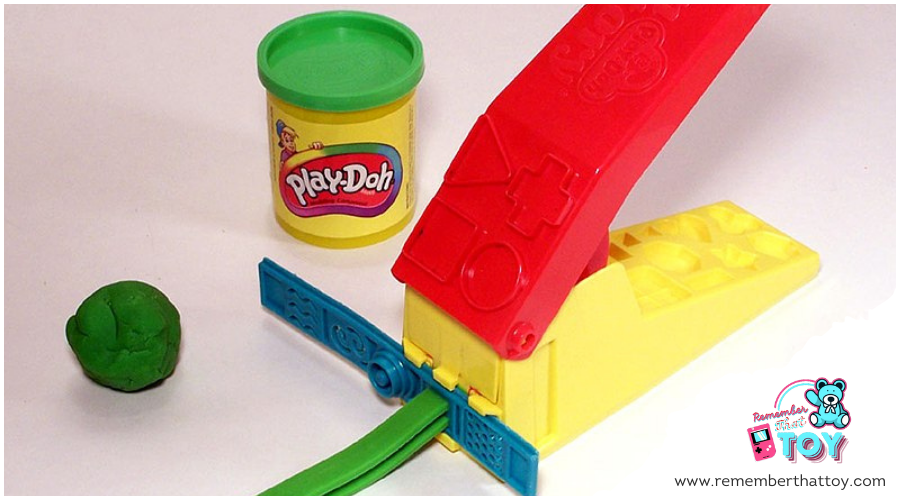
Play-Doh's journey began in the 1930s when Noah McVicker created it as a wallpaper cleaning putty to remove coal residue. Initially intended for this purpose, the product underwent a pivotal transformation in the mid-1950s. Kay Zufall, a nursery school teacher, saw its potential as a modeling compound for children. Inspired by her insight, the product was rebranded from Rainbow Modeling Compound to Play-Doh.
In 1956, Play-Doh made its debut at an educational convention, garnering significant attention from educators and parents. The shift from a cleaning tool to a medium for children's creativity marked a significant turning point.
The product's success culminated in a formal patent, granted on January 26, 1965, under U.S. patent number 3,167,440. This patent detailed Play-Doh's formulation as a plastic modeling composition, securing its status as a beloved children's toy.
Image Attribution: Larry D. Moore, Playdoh, CC BY 4.0
Launch and Growth
Launched at an educational convention in 1956, the colorful modeling compound, Play-Doh, quickly garnered the attention of retailers and initiated a remarkable sales journey. Play-Doh's initial retail success was significantly marked by its debut at Woodward & Lothrop, a prominent department store in Washington, D.C. This exposure was pivotal, leading to impressive sales figures.
Key factors contributing to this success included:
- Engaging presentation at the educational convention.
- Strategic placement in well-known stores like Woodward & Lothrop.
- Innovative marketing through television, reaching a broad audience.
- Diverse product offerings that encourage imaginative play.
In 1965, General Mills acquired Play-Doh for $3 million, which facilitated its growth and established a global presence, expanding to over 75 countries by 2005. This laid the foundation for the enduring popularity of the beloved modeling compound.
Strategic Marketing Initiatives
Aggressive television advertising during popular children's shows in the late 1950s significantly boosted sales by 1958. This marketing approach not only highlighted Play-Doh as a fun toy but also emphasized its educational value. By promoting its non-toxic properties, it garnered strong approval from parents.
Following its acquisition by General Mills in 1965, Play-Doh continued to thrive through strategic marketing that capitalized on nostalgic themes. This combination of effective advertising and product innovation ensured that Play-Doh remained a beloved choice for families, solidifying its place in the hearts of children and parents alike.

© Nevit Dilmen, Play dough 04799, CC BY-SA 3.0
Expansion and Global Reach
Following its successful launch in 1956, Play-Doh quickly gained traction, becoming a beloved brand in households worldwide.
Play-Doh's expansion was marked by strategic partnerships and international reach:
- Available in iconic department stores like Macy's and Marshall Fields.
- Entered European markets by 1964.
- Distributed in 75 countries by 2005, significantly enhancing global brand recognition.
- Sold over 2 billion cans from 1955 to 2005, becoming a childhood staple.
Ingredients and Safety
Play-Doh's unique blend of water, salt, flour, and specific additives ensures a fun and safe play experience for children. The ingredients are carefully chosen to guarantee safety, as Play-Doh is non-toxic and suitable for children aged three years and older. The product contains petroleum additives to enhance its smooth texture and borax to prevent mold growth, ensuring durability during play.
While Play-Doh is designed for creative fun, it is essential to be aware of potential allergy risks due to its wheat content. Children with gluten sensitivities should avoid Play-Doh, as it may trigger allergic reactions. The formulation also includes starch-based binders and preservatives that help maintain its quality over time, contributing to its enduring popularity.
Despite the inclusion of various additives, the overall safety measures prioritize children's well-being. Play-Doh is not intended for consumption, so always supervise younger children during playtime to prevent accidental ingestion. By understanding the ingredients and safety aspects, you can provide a safe and enjoyable creative experience for your children, allowing them to explore their imaginations without worry.
Cultural Impact
Play-Doh, celebrated for its safety and fun, has made a lasting cultural impact, becoming a cherished element of childhood play across generations. This modeling compound nurtures creativity and stands as a nostalgic icon for many adults, linking them to their own childhoods. Several key factors underline its enduring popularity:
- Its induction into the Toy Hall of Fame, which highlights its significant role in childhood play.
- The unique scent, trademarked by Hasbro in 2018, which evokes fond memories and instant recognition.
- Over 2 billion cans were sold between 1955 and 2005, demonstrating its global marketing success.
- Appearances in various media, including animated films and television series, showcasing its cultural relevance.
Play-Doh's influence surpasses mere play; it mirrors evolving cultural trends and remains a vital tool for creative expression among children worldwide. By inspiring imagination and fostering connections, Play-Doh has secured a lasting legacy, resonating with new generations and proving that some toys never truly fade away.
Future Innovations
The future of imaginative play is promising for children, as Play-Doh continues to innovate with new compounds designed to enhance creativity and sensory experiences. This iconic brand is introducing state-of-the-art products that not only engage kids in imaginative play but also align with current trends.
Key highlights of the new Play-Doh compounds include:
- Slime: A stretchy, gooey substance that stimulates tactile exploration.
- Putty: A flexible material ideal for sculpting and molding.
- Foam: A light, airy compound that introduces a unique texture to playtime.
- Cloud: A soft, fluffy material that feels dream-like in your hands.
These new compounds offer a modern alternative to traditional modeling materials and cater to the evolving interests of today's children. Play-Doh's commitment to fostering creativity and building lasting memories ensures that this beloved brand will continue to inspire future generations. By adopting these new compounds, children will discover endless possibilities for play and self-expression.
Conclusion
Play-Doh is more than just a modeling compound; it's a timeless tool for creativity that has sparked imaginations for generations. Its journey from wallpaper cleaner to a beloved childhood staple highlights the power of innovation and effective marketing. As you recall the joy of squishing, shaping, and creating, you can appreciate how this simple product continues to inspire children and adults alike. With ongoing innovations, Play-Doh is set to remain a cherished part of playtime for years to come.