How Did the Pogo Stick Jump to Fame in the 1950s?
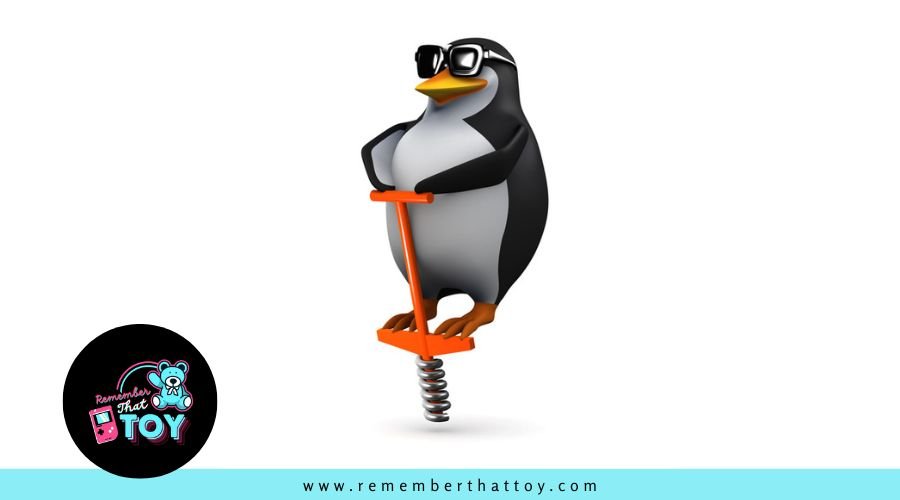
Have you ever wondered how the pogo stick originally came to be? The story starts with George H. Hansburg, who patented the first pogo stick in 1919. His design featured simple steel coil springs and foot pegs, making it a fun, albeit limited, jumping device. Initially, it allowed only modest jump heights, and its basic construction led to a decline in popularity over the years.
In addition to its recreational appeal, the pogo stick became a cultural phenomenon, with appearances in entertainment events and widespread popularity among the post-war youth. By the late 1950s, annual sales reached approximately 475,000 units, reflecting its widespread appeal and cementing its place in popular culture.
Despite this, Hansburg's invention laid the groundwork for future developments. Max Pohlig and Ernst Gottschall's spring stilt concept, registered in 1920, further influenced the evolution of the pogo stick. Their innovative ideas contributed to structural improvements, hinting at the potential for higher jumps and better stability.
The 1957 Design Breakthrough
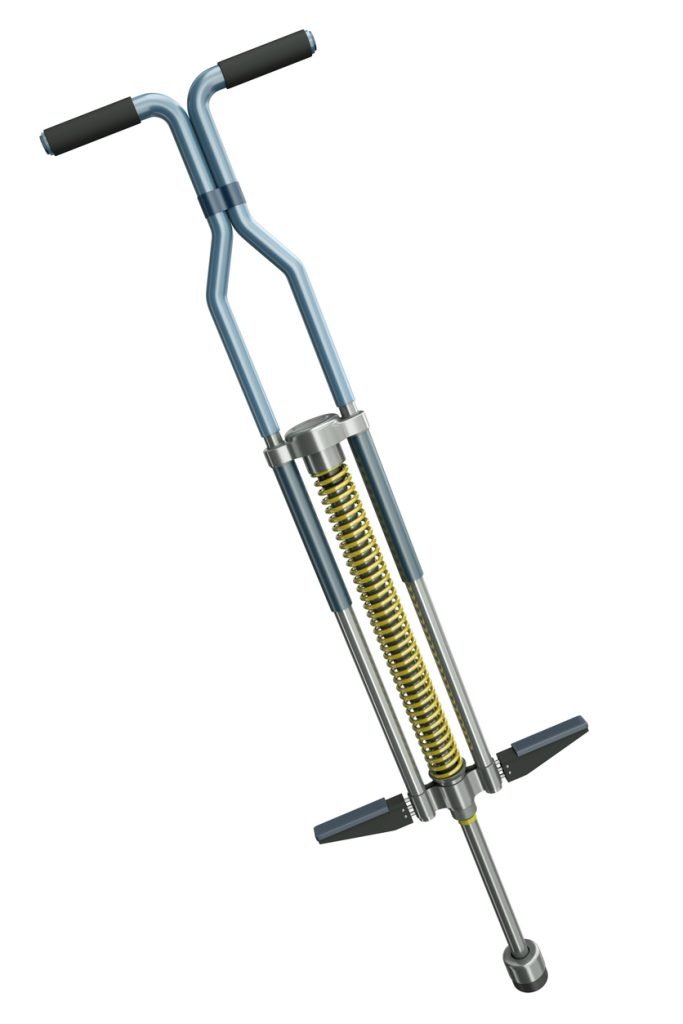
The 1957 introduction of a dual-handle system was a pivotal moment in pogo stick design, significantly enhancing user safety and control. This innovative approach improved stability and balance, making jumps and tricks easier to perform. The dual-handle feature reduced the risk of falls and injuries by providing more control.
Imagine enjoying pogo-sticking without constantly worrying about balance! The dual-handle design transformed the experience for both kids and adults, increasing the appeal of pogo sticks. Here's why the dual-handle system was a game-changer:
- Better Stability: Two handles allowed for more effective balance maintenance, reducing the likelihood of tipping over.
- Increased Confidence: Enhanced safety features made it easier for both beginners and experts to enjoy pogo sticking without fear.
- Broadened Audience: More people, including those wary of single-handle models, felt comfortable trying pogo sticks.
- New Standard: This design set a benchmark, influencing future pogo stick innovations.
The dual-handle system didn't just change pogo stick manufacturing; it transformed the entire pogo-sticking experience, making it safer and more enjoyable for everyone.

Enhanced Jumping Capabilities
Building on the success of the dual-handle system, the 1957 design breakthrough changed pogo sticks by enhancing their jumping capabilities through improved energy transfer and propulsion. The introduction of a coil spring was pivotal in this transformation. This new spring mechanism allowed for greater energy storage and release, enabling higher and more controlled jumps. Users could now achieve previously unimaginable heights, making the pogo stick not just a toy but a tool for impressive stunts.
The enhanced jumping capabilities weren't just about achieving greater heights; they also increased safety and stability. By incorporating durable materials and advanced engineering techniques, the 1957 design ensured that the pogo stick could withstand the increased forces of higher jumps. This meant users could enjoy a safer and more reliable experience, whether they were children exploring new heights or adults pushing the boundaries of what was possible.
These innovations revitalized interest in pogo sticks and laid the groundwork for the evolution of pogo sticking into an extreme sport. Tricks and competitions began to emerge, fueled by the improved performance and reliability of the 1957 design. This transformation in the 1950s set the stage for the pogo stick's future as a dynamic and thrilling activity.
Cultural Phenomenon in the 1950s
The pogo stick's popularity soared thanks to its presence in numerous entertainment events. Featured in Broadway productions like the Ziegfeld Follies, it captured the public's imagination and solidified its place in popular culture. The combination of fun and physical activity made it especially appealing to the post-war youth, who were enthusiastic about new and exciting ways to play.
By the late 1950s, the pogo stick was selling approximately 475,000 units annually, proof of its widespread appeal. Here's why the pogo stick resonated so deeply:
- Innovative Design: The two-handle design made it safer and more accessible.
- Visibility: Prominent features in entertainment increased its popularity.
- Fun and Exercise: It offered a unique combination of enjoyment and physical activity.
- Youth Appeal: It perfectly fit the interests of the post-war generation.
Records and Achievements
One of the most notable world records was set by Dan Mahoney in 2010, who achieved an astounding height of 9 feet 6 inches. This remarkable feat solidified the pogo stick's place in extreme pogo history and inspired countless enthusiasts to push their limits.
The rise of extreme pogo competitions like Pogopalooza has further demonstrated the sport's growth, drawing thousands of spectators and participants eager to witness and achieve new milestones. These events have become a lively hub for world records and groundbreaking achievements.
These accomplishments offer a glimpse into how pogo sticking has transformed over time. The continuous pursuit of higher jumps and more complex tricks highlights the sport's dynamic and ever-evolving nature, making it an exciting field to watch and participate in.
Extreme Tricks Evolution
Building on the innovations of the 1950s, the late 1990s witnessed the transformation of pogo sticks into instruments for high-flying tricks and stunts, marking the advent of extreme pogo. Athletes began pushing the limits, achieving jump heights exceeding 10 feet (3 meters). Today, complex maneuvers like backflips and bar spins are common, solidifying the pogo stick's status as an extreme sports apparatus.
George Hansburg's original invention has evolved into Xpogo, a recognized action sport with a vibrant community of athletes and enthusiasts. Events like Pogopalooza, the annual world championship of Xpogo, have become premier platforms for showcasing these daring skills, drawing thousands of spectators.
| Feature | Traditional Pogo Sticks | Extreme Pogo Sticks |
|---|---|---|
| Jump Height | Up to 2 feet (0.6 meters) | Over 10 feet (3 meters) |
| Tricks & Stunts | Basic jumps | Backflips, Bar Spins |
| Community Events | Local fairs | Pogopalooza |
The shift to extreme pogo has driven innovations in design. Modern pogo sticks now utilize lightweight materials and advanced engineering, enhancing both performance and durability. This evolution has not only made pogo sticks more exciting but has also sparked a new subculture within extreme sports, infusing the scene with fresh energy and creativity.
Related Bouncing Toys
From the space hopper to the Hula Hoop, various bouncing toys have captivated imaginations and promoted active play across generations. The space hopper, a large inflatable ball with handles, became iconic in the 1960s and 1970s, offering a unique bouncing experience similar to the pogo stick. Both children and adults relished the excitement of bouncing around, creating fond memories while encouraging physical activity.
Bouncing toys have evolved over the years, incorporating new designs and materials that enhance performance and safety. Powerbocking, which emerged in the 2000s, exemplifies this evolution. Using spring-loaded boots, enthusiasts can achieve impressive jumps, reflecting a trend toward more extreme bouncing activities.
The Hula Hoop, another classic toy from the 1950s, gained popularity alongside the pogo stick. It encouraged rhythmic movement and coordination, adding to the enjoyment of active play. These toys have left a lasting impact on popular culture, highlighting a growing interest in outdoor recreation.
Here are four reasons to love these classic bouncing toys:
- Nostalgia: Reconnect with joyful childhood memories.
- Fitness: Promote physical activity and improve coordination.
- Innovation: Benefit from modern advancements in design and safety.
- Fun: Enjoy the simple pleasure of bouncing and moving.
Conclusion
Today, vintage pogo sticks from the 1950s are highly sought after by collectors. Their nostalgic value, combined with the historical significance of their design innovations, makes them desirable items for toy collectors and enthusiasts. Original models in good condition can command high prices, especially those that feature the dual-handle design introduced in 1957.