How Did the Hula Hoop Become a Global Phenomenon?
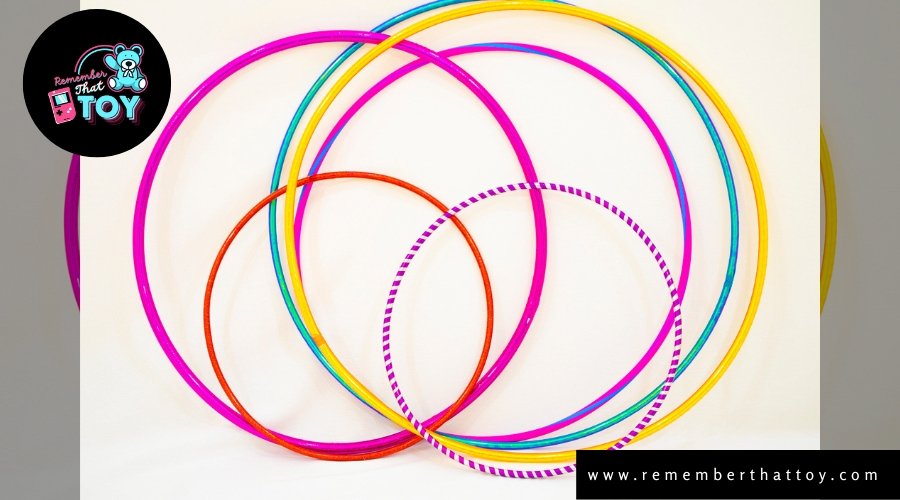
The Hula Hoop traces its origins to ancient civilizations like Greece and Egypt but skyrocketed to fame in the U.S. when Wham-O introduced it in 1958. This American toy captivated the nation almost instantly, appealing to both children and adults with its blend of fun and physical activity. Named after the Hawaiian dance, the Hula Hoop's name aptly reflected the rhythmic hip movements that made it so intriguing.
Wham-O's aggressive marketing strategy included demonstrations in Southern California playgrounds, sparking nationwide interest. In just four months, an incredible 25 million units were sold. By the end of its first year, approximately 100 million Hula Hoops had entered American homes, marking one of the most successful toy launches in history.
Evolution and Modern Use
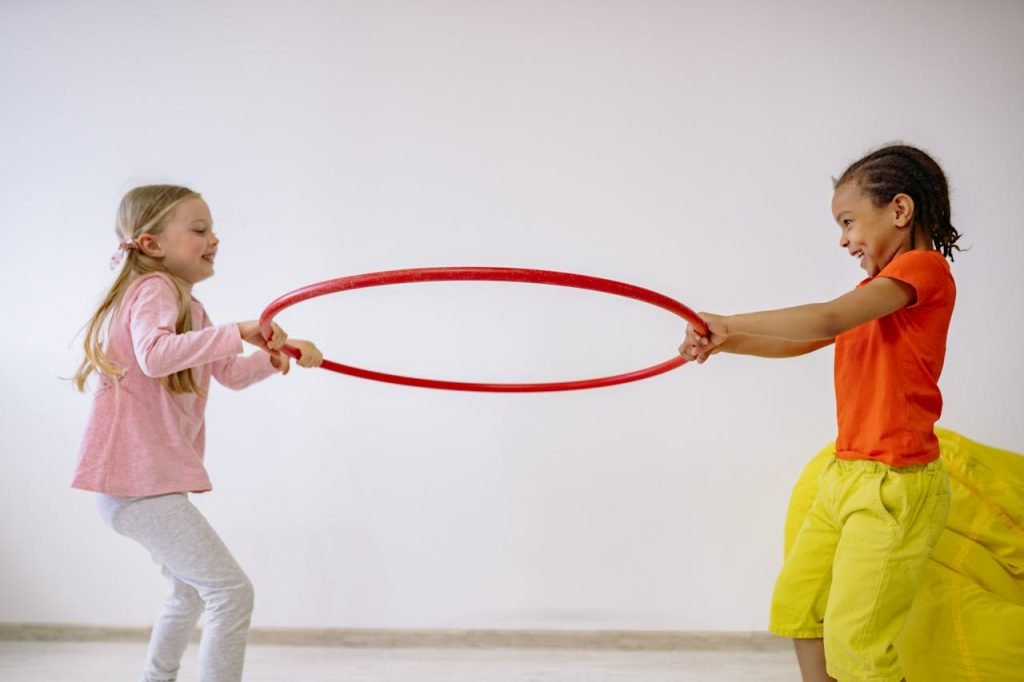
Hula Hoops have evolved from children's toys into multifunctional tools for fitness, art, and meditation, demonstrating their versatility in contemporary society. Modern hoops are specifically designed for fitness, incorporating features like fitness tracking technology to monitor progress, making workouts both enjoyable and effective.
In addition to exercise, hula hooping has become an integral part of cultural events such as Burning Man, serving as a medium for self-expression and community bonding. The rhythmic motion of hooping is often reported to enhance mental clarity and mindfulness.
The hooping community continues to innovate with growing popularity in competitions and regular setting of new world records. This evolution signifies a burgeoning interest in the art of hooping, underscoring that it is no longer just a toy.
Record-Breaking Achievements
Recent developments in the hooping community highlight a surge in record-breaking achievements, reflecting the sport's rising popularity and creativity. In the past year alone, five new world records have been set, showcasing the remarkable skills of hoop enthusiasts. One standout is Marawa Ibrahim, who holds the impressive record for spinning the most hoops simultaneously—an astounding 200 hoops.
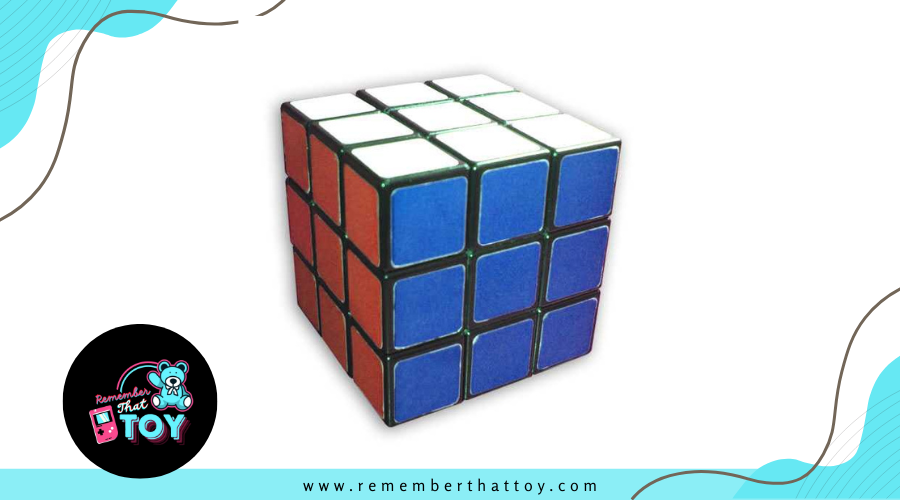
Unique records are also emerging, such as solving a Rubik's Cube while hooping. This blend of dexterity and innovation demonstrates how hooping can transcend mere entertainment to become a platform for extraordinary feats. Hula hooping competitions are gaining traction, emphasizing the skill and community spirit that define the hooping world.
Social media plays a vital role in this movement, enabling individuals to share their record-breaking achievements and challenges with a global audience. As more people engage with the sport online, interest continues to grow, inspiring even more groundbreaking performances. Whether you're a seasoned hooper or just starting, you can be part of this exciting journey in the hooping community.
Cultural Impact and Significance
Hooping has become an integral part of popular culture, influencing trends in fashion, music, and youth activities. Originally a children's toy, the Hula Hoop quickly became a global phenomenon, with over 100 million units sold in its first year, captivating audiences worldwide, including children in Australia.
The Hula Hoop's cultural impact is evident across various domains:
| Aspect | Influence |
|---|---|
| Fashion | Bright colors and playful designs became fashionable. |
| Music | Songs about hooping gained popularity. |
| Youth Culture | Hooping contests became a favorite pastime for teens. |
| Fitness | The Hula Hoop became a popular fitness tool. |
| Art | Featured in performance art and festivals. |
The Hula Hoop's lasting presence demonstrates its role in shaping social interactions and lifestyle trends, proving its significance well beyond its inception in the 1950s.
Marketing Strategies and Commercialization
The marketing strategies that propelled the Hula Hoop into a cultural icon were as innovative as the product itself, capturing the attention and excitement of consumers worldwide. Wham-O, the toy company behind this phenomenon, cleverly utilized hands-on demonstrations in parks and public spaces, allowing potential buyers to engage directly with the Hula Hoop. This interactive approach generated immediate interest.
Wham-O didn't stop there. They launched viral television advertisements that highlighted the hoop's fun and playful nature, greatly broadening its visibility. To further entice customers, they offered promotional giveaways and contests, making participation in Hula Hoop activities irresistible. Collaborations with influencers and performers showcased impressive hooping skills, enhancing the product's trendy image.
With an accessible price of $1.98, the Hula Hoop quickly became a must-have toy, leading to the staggering sale of over 100 million units in its initial year. This combination of engaging marketing tactics and strategic pricing turned the Hula Hoop into more than just a toy; it became a cultural phenomenon that resonated with people of all generations.
Manufacturing and Design Process
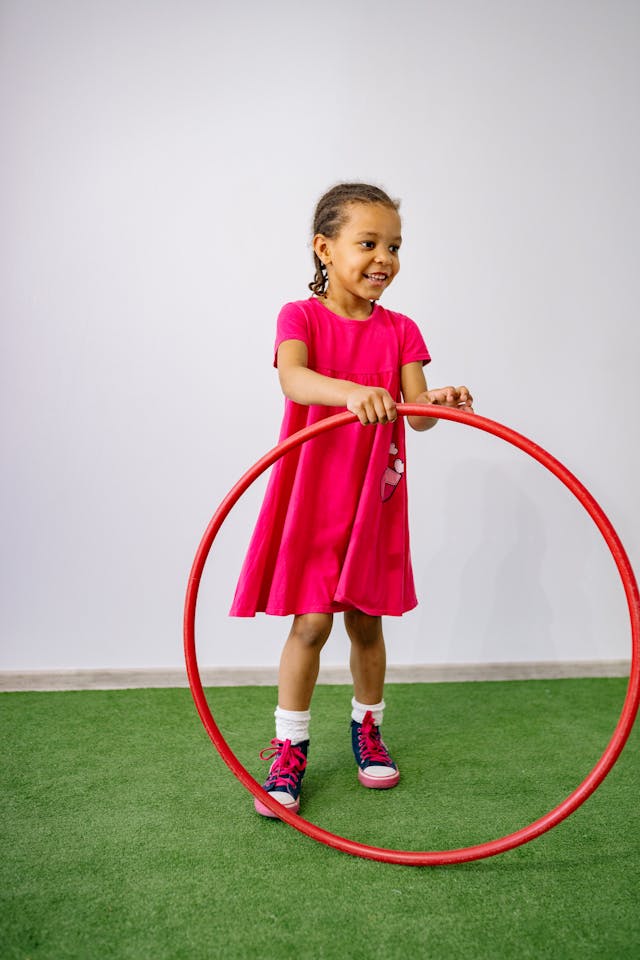
Wham-O's Hula Hoop manufacturing process integrates advanced technology and innovative design to create a durable and colorful toy that appeals across various demographics. The hoops are primarily made from high-density polyethylene (HDPE) plastic. The process begins with plastic pellets that are heated and extruded into tubes. A proprietary machine then adds decorative stripes, giving each hoop its distinctive appearance.
Quality control is paramount throughout the manufacturing process. Precision extrusion dies minimize errors, ensuring each hoop adheres to strict standards. Inspectors monitor each production stage, and employees have the authority to remove defective hoops at any point. A final quality inspection is conducted before packaging, ensuring that only top-quality products reach consumers.
Over the decades, the design of Hula Hoops has evolved to include various sizes and decorations to suit different preferences. Some models even feature advanced elements like calorie counters, attracting health-conscious adults. By combining state-of-the-art manufacturing techniques with creative design, Wham-O ensures that the Hula Hoop remains a cherished toy for people of all ages.
Health Benefits and Fitness Trends
Engaging in hula hooping not only strengthens your core muscles but also provides an enjoyable way to improve your general fitness and well-being. This activity, once a nostalgic childhood pastime, has evolved into a popular fitness trend with numerous health benefits. As you twirl the hoop around your waist, you're actively working your abdominal muscles and gaining significant cardiovascular benefits.
Hula hooping can elevate your heart rate, aiding in calorie burning and fat loss during workouts. Many find that regular hula hooping leads to noticeable weight loss, increased confidence, and improved mood. It's accessible for all fitness levels; with practice and proper technique, you can master it over time.
Different hoop sizes are available, with larger hoops often recommended for adults to optimize effectiveness. Many hoops come with instructional materials to enhance your fitness experience. So grab a hoop, start twirling, and enjoy a fun, culturally rich way to get fit.
Conclusion
The Hula Hoop isn't just a nostalgic relic of the 1950s; it's a dynamic symbol of creativity, community, and fitness that continues to captivate people today. Its evolution from a playful toy to a serious fitness tool demonstrates how trends can adapt while retaining their appeal. Whether you're spinning it for fun or exercise, the Hula Hoop bridges generations and keeps the joy of movement alive. So pick one up and join in the enduring dance of history and health!