How Did Silly Putty Become So Popular in 1950s?
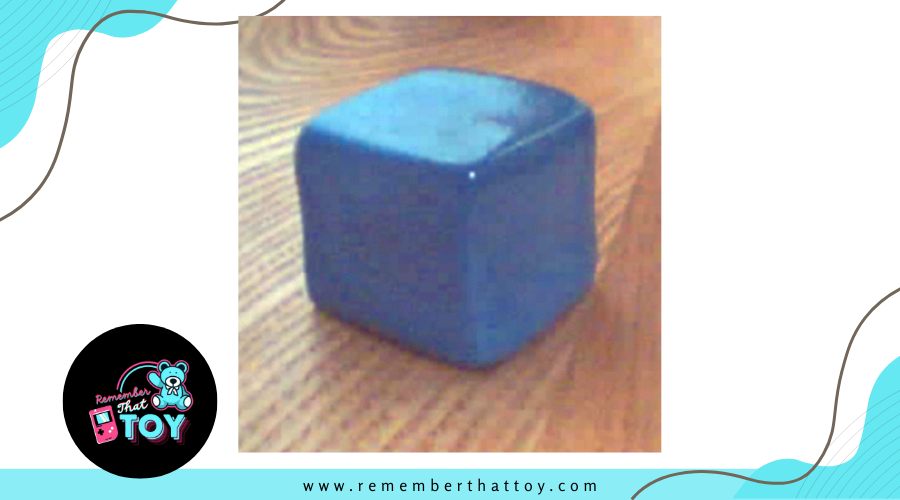
Silly Putty was invented in 1943 by James Wright, who was attempting to create an affordable alternative to synthetic rubber during World War II. As a researcher for General Electric, Wright combined boric acid with silicone oil, resulting in a stretchy, bouncy substance with unique properties. However, the U.S. government found the invention impractical for wartime applications, so it was largely overlooked.
The fate of this unusual material changed when businessman Peter Hodgson discovered it at a party. Recognizing its potential as a toy, Hodgson rebranded the substance as Silly Putty. He packaged it in colorful plastic eggs and launched it in 1950, just in time for Easter. The interactive nature of Silly Putty, with its ability to bounce, stretch, and transfer newspaper images, quickly captured the imagination of children. This led to its commercial success and established it as a beloved toy enjoyed by millions for generations. Wright's initial experiment had inadvertently resulted in a classic toy.
Commercial Success
The product rapidly became a commercial success following its launch in 1950, captivating both children and parents, particularly during the Easter season. Packaged in colorful plastic eggs, Silly Putty quickly gained popularity. After being featured in The New Yorker magazine, orders surged, surpassing 250,000 units within just three days. By the mid-1950s, millions of units were being sold annually, cementing its status as a staple novelty item.
The toy's manufacturer continued to innovate, introducing new color options in 1990 and a glow-in-the-dark version in 1991, which further fueled its commercial success. Silly Putty's unique charm and versatility have enabled it to endure across generations, ensuring significant revenue generation for its producers.
| Year Introduced | Feature | Sales Impact |
|---|---|---|
| 1950 | Original | Exceeded 250,000 units |
| Mid-1950s | - | Millions sold annually |
| 1990 | New colors | Continued strong sales |
| 1991 | Glow-in-dark | Enhanced popularity |
| Current | - | Sustained success |
Unique Properties
With its commercial success firmly established, Silly Putty stands out as a captivating toy that merges science with play. Classified as a viscoelastic material, Silly Putty exhibits both solid and liquid characteristics. It can stretch, bounce, and even flow slowly over time. This dual nature arises from its composition of silicone polymers and boric acid, which allows it to snap when pulled quickly and break cleanly under pressure.
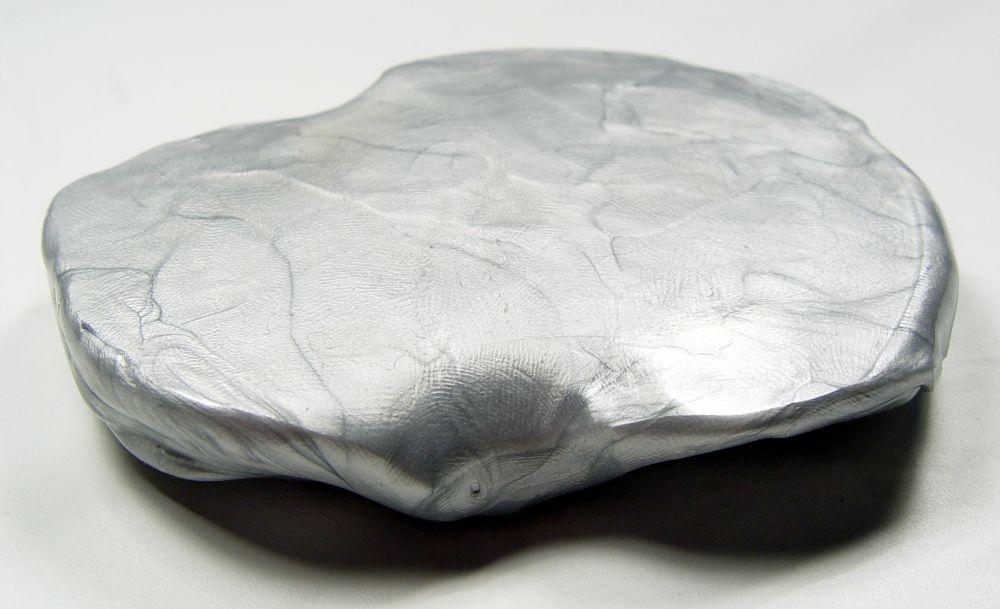
plastelina.sk, Big dsc05433, CC BY-SA 2.0
You'll be amazed at how high it can bounce—one test even showed a 100-pound ball of Silly Putty bouncing up to eight feet before shattering! Its durability is enhanced by its resistance to water and heat, making it a long-lasting, non-toxic option for both kids and adults.
Silly Putty isn't just a toy; it's also a medium for creative expression. You can pick up images and ink from newspapers, turning it into an artistic tool. Whether you're stretching, bouncing, or experimenting, Silly Putty invites you to explore its unique properties while providing hours of entertainment.
Cultural Significance
Emerging as a cultural icon in the 1950s, Silly Putty revolutionized the toy industry and captivated both children and adults. Its innovative design and strategic marketing made it a staple in American pop culture. Here's how Silly Putty made its mark:
- Unique Packaging: Sold in colorful plastic eggs, it became especially popular during Easter, making it a seasonal favorite.
- Massive Demand: After a feature in a 1950 New Yorker article, orders surged to over 250,000 units within three days.
- Educational Use: Teachers adopted Silly Putty in classrooms to demonstrate principles of physics and chemistry, enriching educational experiences.
- National Recognition: Inducted into the National Toy Hall of Fame in 2001, affirming its status as a groundbreaking toy.
Through its playful and versatile nature, Silly Putty showcased the power of creativity in toy design, continuing to inspire joy across generations.
Conclusion
Silly Putty isn't merely a toy; it's a historical artifact that continues to engage people of all ages. Its unique properties and playful appeal have sustained its popularity since the 1950s, illustrating that simple concepts can have enduring significance. When you play with Silly Putty, you're not just stretching and bouncing it—you're connecting with generations of joy and creativity. Its legacy endures, promising to inspire imagination for years to come.