How Did Pound Puppies Influence 1980s Toy Culture?
Pound Puppies originated from a heartfelt creation by Mike Bowling, who designed a plush toy for his daughter in the early 1980s. This act of love sparked a phenomenon, capturing the hearts of children everywhere. Bowling's vintage stuffed dog concept evolved into the Original Pound Puppies, designed to be more than just toys. These cuddly companions came with adoption certificates, encouraging kids to form emotional connections with their new pets.
Launched by Irwin Toy in the mid-1980s, the plush toys' popularity soared, partly due to the success of Cabbage Patch Kids. The innovative marketing strategy of presenting them as adoptable pets resonated deeply with children, making each Pound Puppy feel unique and special. The initial production by Tonka marked the beginning of a cultural icon, and soon, kids everywhere were eager to welcome these adorable plush pals into their lives.
Marketing Strategies and Success
Groundbreaking marketing strategies played a crucial role in the success of Pound Puppies, enchanting both children and their parents through emotional storytelling. The initial television commercials captured the hearts of families, focusing on the theme of adoption, which resonated deeply. Promotions like Hardees offering mini Pound Puppies with sandwich purchases effectively targeted parents and boosted sales.
To further solidify the brand's presence, the launch of the 1985 animated series expanded its reach, reinforcing the adoption narrative for young audiences. By 2016, around 200 million Pound Puppies had been sold, showcasing the effectiveness of these marketing strategies over the decades. The nostalgia-driven approach continued with the 2010 reboot, introducing new adventures while maintaining the emotional connection that defined the original plush toys.
| Marketing Strategy | Impact |
|---|---|
| Compelling TV Commercials | Emotional connection with families |
| Promotional Mini Toys at Hardees | Increased sales and brand visibility |
| Animated Series Launch | Expanded audience and brand reach |
These strategies not only elevated Pound Puppies to must-have status but also created lasting memories for generations.
Cultural Impact on Toy Industry
The success of Pound Puppies altered the toy industry by introducing emotional marketing strategies that resonated deeply with both children and their parents. This innovative approach went beyond highlighting the joy of pet ownership; it created an emotional bond between kids and their plush toys. Through TV commercials and adoption certificates, Pound Puppies tapped into the innate desire for companionship, transforming these toys into cherished friends.
The impact of this emotional marketing extended far beyond the initial launch. It inspired a wave of plush toys that emphasized themes of rescue and love, resulting in numerous similar products hitting the market. The 1985 animated series further cemented this cultural phenomenon, ensuring the message of adoption resonated with audiences and kept the brand relevant.
Even today, the legacy of Pound Puppies continues to influence modern plush toy designs. Nostalgia-driven marketing strategies have kept these beloved toys in the hearts of new generations, proving that the emotional connection fostered by Pound Puppies has left a lasting mark on the toy industry. This transformation underscores the powerful role that emotional marketing plays in shaping consumer preferences and trends.
Sales and Distribution Insights
Building on the emotional connections established by the brand, sales and distribution strategies for Pound Puppies have evolved to meet the demands of both nostalgic consumers and new generations. Funrise Toys' production since 2014 has revived the beloved stuffed animals while introducing specific breeds that resonate with today's kids.
Their sales strategies focus on nostalgic marketing campaigns, emphasizing the emotional appeal of pet adoption. This approach has proven effective with both children and parents, giving Pound Puppies a unique place in the toy market. The original adoption certificates also play a role in fostering a sense of responsibility among owners.
Here's a glimpse of the sales and distribution insights:
| Year | Units Sold | Key Strategy |
|---|---|---|
| 1980s | 200 million | Nostalgic marketing |
| 2014 | Resurgence | Introduction of new breeds |
| 2015-2016 | Continued growth | Online and retail availability |
| 2020 | Strong demand | Emotional pet adoption theme |
| 2023 | Ongoing relevance | Targeting new generations |
These strategies ensure that Pound Puppies remain a cherished choice for all demographics, reinforcing their legacy in the toy industry.
Evolution of Plush Toy Design
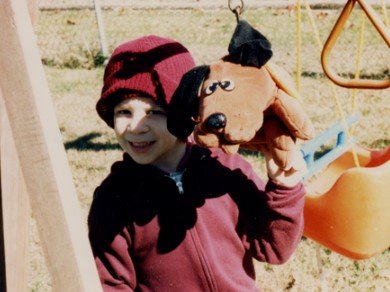
Inspired by the charm of earlier designs, plush toys saw a significant transformation in the 1980s, spearheaded by the innovative Pound Puppies. These adorable stuffed animals featured oversized snouts, floppy ears, and cartoon-like eyes, making them instantly recognizable. The original prototype, created by artist Mike Bowling, was inspired by a toy he handcrafted for his daughter, adding a personal touch to the design.
Pound Puppies not only stood out visually but also redefined the emotional narrative surrounding plush toys. Marketed as pets in need of rescue, complete with adoption certificates, they connected children to their toys in a meaningful way. This groundbreaking approach set a new standard in the market.
Here's a glimpse into the evolution of plush toy design during this time:
| Feature | Impact |
|---|---|
| Oversized snouts and ears | Enhanced cuteness |
| Cartoon-like eyes | Increased emotional appeal |
| Adoption certificates | Fostered emotional connection |
| Handcrafted inspiration | Personal touch in design |
The influence of Pound Puppies remains evident today, shaping our perception of plush toys and stuffed animals.
Knockoff Variants and Market Diversity
The presence of knockoff variants like the Little Lonely Puppies, produced by JRL Toys, showcases the diversity and complexity of the plush toy market. These imitations, often featuring distinctive, sadder eye designs, differentiate themselves from the cheerful original Pound Puppies. They also lack the signature 'lemon-sucking' stitch that characterizes authentic Pound Puppies, underscoring differences in quality and craftsmanship.
Readily available at major retailers such as Toys R Us, these knockoffs contributed to a more diverse market landscape. In the secondhand market, a broad array of stuffed dog designs can be found, ranging from official Pound Puppies to homemade and crochet alternatives, catering to various collector preferences. This variety highlights the richness and complexity of the plush toy market.
Additionally, unique items like armchair TV remote holders are often mistaken for Pound Puppies, indicating a high demand for rare and unique designs. In this vibrant ecosystem, knockoffs significantly influence how collectors and fans engage with plush toys, shaping the market's dynamics.
Legal Challenges in Toy Industry
Tonka faced legal challenges with the emergence of products like Little Lonely Puppies, which bore striking similarities to Pound Puppies. This prompted Tonka to take legal action, resulting in a lawsuit that ultimately favored the original manufacturer. The court's decision led to the discontinuation of Little Lonely Puppies, making it a rare find in the vintage market.
These legal challenges highlight the complexities of protecting intellectual property within the toy industry. Companies must navigate the blurred lines between inspiration and infringement, complicating the enforcement of trademark claims. Tonka's aggressive stance against counterfeit manufacturers illustrates the significance of standing firm in protecting their brand's integrity.
Crafting and Collecting Communities
In crafting and collecting communities, enthusiasts often share a passion for creating unique stuffed animals and hunting for vintage Pound Puppies, fostering a rich culture of creativity and nostalgia. Many crafters enjoy designing their own variations of these beloved dog plush toys using different sewing patterns, allowing for one-of-a-kind pieces that capture the essence of Pound Puppies while adding a personal touch.
Collectors often prioritize these unique items over mass-produced alternatives, contributing to a vibrant secondhand market where diverse dog plush designs flourish. The emotional connections to these vintage stuffed animals spark engaging conversations within the community, where members share personal stories and trading experiences.
Conclusion
Launched in 1984, these stuffed animals came with their own adoption certificates, encouraging a nurturing and empathetic play experience. Their widespread appeal led to a popular animated TV series and various merchandise, further embedding Pound Puppies into the fabric of 1980s childhood.