How Did Mr. Potato Head Become a Beloved Toy Icon?
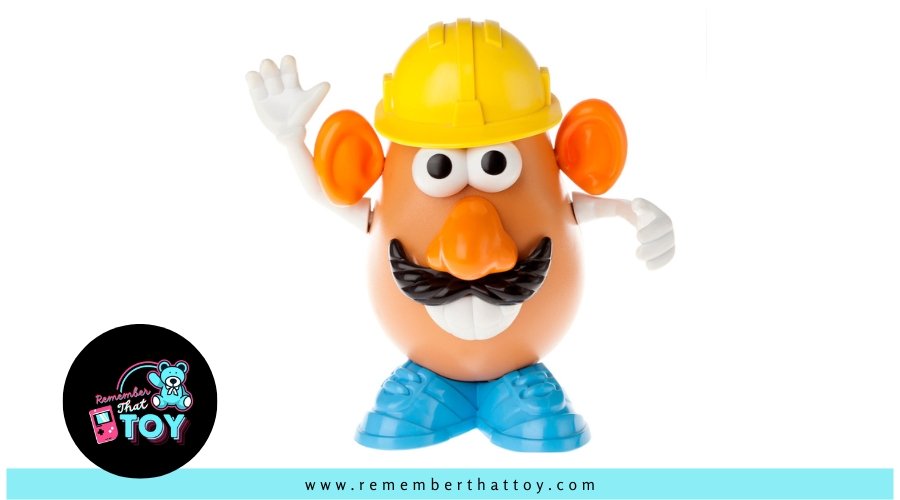
Initially a set of facial features designed to be attached to real potatoes, this innovative idea evolved into a plastic toy that promoted creative play. Mr. Potato Head, invented by George Lerner in 1949, initially used actual potatoes for its customizable facial features. The concept was straightforward yet engaging: children could create whimsical faces by attaching plastic parts to a potato.
This innovative idea laid the foundation for a beloved toy. In 1952, the Hassenfeld Brothers (who later became Hasbro) saw the toy's potential and transformed it into a standalone product. They introduced the Potato Head kit, which included a plastic potato body and a variety of facial features, making it more convenient and appealing for children.
Mr. Potato Head made history by becoming the first toy ever advertised directly on television. This pioneering marketing strategy significantly boosted its visibility and transformed how toys were marketed to children. Within months of its release, Mr. Potato Head generated over $4 million in sales, demonstrating that combining creativity with effective marketing could lead to immense success. Its origins reflect a blend of ingenuity and strategic promotion, setting the stage for its enduring popularity.
Television Advertising Breakthrough
The television advertising campaign for Mr. Potato Head marked a pivotal moment in toy marketing history. Launched on April 30, 1952, it was the first toy ever advertised directly on television, setting a new standard for reaching young audiences. This innovative approach generated over $4 million in sales within a few months, illustrating the profound impact of television on consumer behavior.
The campaign introduced the concept of 'pester power,' where children, enchanted by the commercial, persuaded their parents to purchase the toy. This not only boosted sales but also solidified Hasbro's position as a leading toy manufacturer. The success of Mr. Potato Head's advertising strategy revolutionized how toy companies marketed their products, leading to an increase in television ads targeting children.
Mr. and Mrs. Potato Head

Mr. and Mrs. Potato Head have become iconic figures in children's play, exemplifying the joy of creativity and imagination through their customizable features. Initially, Mr. Potato Head allowed kids to use real potatoes. However, in 1964, Hasbro introduced a plastic version to enhance hygiene. This change facilitated a greater variety of fun plastic facial features, making playtime cleaner and more enjoyable.
The introduction of Mrs. Potato Head in 1953 expanded the Potato Head family, adding diversity to the brand. Both characters have resonated with generations of children and have even appeared in popular media, such as the Toy Story franchise. Their charm and versatility promote not just imaginative play but also valuable lessons in customization and choice.
Philanthropic Efforts
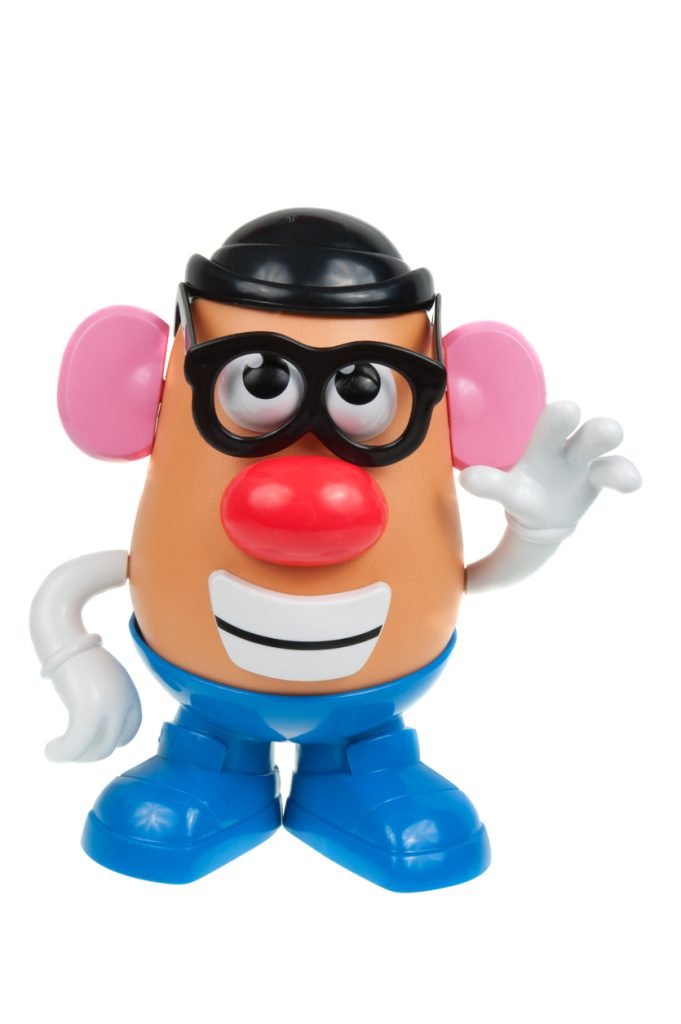
Through its philanthropic initiatives, Hasbro has significantly impacted communities, showcasing how a beloved toy can drive meaningful change. The legacy of Mr. Potato Head extends beyond playtime, embodying Hasbro's dedication to philanthropy and social responsibility. By leveraging the popularity of this iconic toy, Hasbro has launched programs that resonate deeply with families and local communities.
Key initiatives include:
- Seed Donation: This initiative led to the establishment of Hasbro Children's Hospital, benefiting countless families in Rhode Island.
- Healthy Eating Advocacy: Utilizing Mr. Potato Head, Hasbro promotes children's nutrition and healthy eating habits, making a tangible difference in their lives.
- Civic Engagement: In partnership with the League of Women Voters, Hasbro encourages community involvement, illustrating that toys can contribute to social issues.
- Broader Social Causes: The brand demonstrates how simple toys can drive significant philanthropic efforts, inspiring others in the toy industry to follow suit.
Through these endeavors, Hasbro transforms the legacy of Mr. Potato Head into a powerful tool for positive change, exemplifying the profound impact of corporate responsibility.
Health Initiatives Collaboration
Health initiatives inspired by Mr. Potato Head have effectively promoted children's nutrition and healthy lifestyle choices through targeted campaigns and strategic partnerships. This evolution showcases how a playful toy can substantially influence positive behaviors among kids. Collaborative efforts, such as those with the League of Women Voters, underscore Mr. Potato Head's commitment to community engagement, encouraging families to participate in civic duties while also addressing health awareness.
Hasbro, the parent company, amplifies this impact by supporting philanthropic efforts, including contributions to Hasbro Children's Hospital. These initiatives not only enhance children's well-being but also strengthen community ties, demonstrating how a beloved toy can play an essential role in advocating for health and wellness. By fostering these health initiatives, Mr. Potato Head proves that play and advocacy can go hand in hand.
Cultural Impact and Legacy
Mr. Potato Head's cultural impact is evident in its ability to inspire creativity and imaginative play, securing its place as a beloved toy across generations. This character is deeply ingrained in our culture, influencing how children interact with toys.
Key highlights of Mr. Potato Head's legacy include:
- Pioneering direct marketing to children, reshaping advertising strategies in the toy industry.
- Featuring prominently in Pixar's iconic Toy Story film series, voiced by comedian Don Rickles.
- Being inducted into the National Toy Hall of Fame in 2000, cementing its status as a timeless classic.
- Partnering with health organizations to promote civic engagement and nutritional initiatives.
These elements underscore not just the toy's popularity but also its significant role in shaping childhood experiences. Mr. Potato Head has transcended its original form to become a cultural icon. Its legacy endures through diverse merchandise and media appearances, ensuring future generations will also experience the joy and creativity it brings.
Invention and Development

Since its inception in 1949, Mr. Potato Head has been a catalyst for creativity, allowing children to mix and match a variety of facial features to transform ordinary vegetables into imaginative characters. Initially, the toy used real potatoes, with the original kit including 28 plastic facial features attached using pushpins. This unique concept encouraged children to explore their creativity and invent stories through play.
In 1952, Hasbro acquired the rights to Mr. Potato Head and began to shift the focus from real vegetables to a more hygienic option. By 1964, a plastic version of Mr. Potato Head was introduced, ensuring safety and cleanliness while maintaining the charm of the original design.
Key aspects of Mr. Potato Head's design include:
- Versatility: Children can create countless combinations of faces.
- Engagement: Encourages imaginative storytelling and role-playing.
- Accessibility: Easy to manipulate for children of all developmental stages.
- Durability: The plastic construction ensures longevity and repeated play.
Through these thoughtful design choices, Mr. Potato Head continues to be a beloved toy that inspires creativity across generations.
Related Toy Innovations
Toy innovations like the Slinky and G.I. Joe have often redefined playtime, mirroring evolving societal values and marketing trends. These toys, alongside the original Mr. Potato Head, exhibit how creative designs can captivate children's imaginations and meet their changing needs. Initially overlooked, the Slinky became a household name due to its simple yet fascinating mechanics, promoting creativity and problem-solving.
Candy Land, introduced in the 1940s, demonstrated that accessible games could engage young children, even during challenging times. It underscored the need for inclusive play experiences. G.I. Joe, launched in 1964, revolutionized the concept of dolls by introducing action figures specifically for boys, reflecting and influencing changing gender norms and expanding the toy market.
Conclusion
Mr. Potato Head's journey from a simple set of attachable facial features to a beloved toy icon exemplifies innovation and effective marketing strategies. By pioneering television advertising and engaging children with customizable play, Mr. Potato Head set new standards in the toy industry. The toy's cultural impact is further enriched by its philanthropic efforts and collaborations promoting health and community engagement.