How Did Microscope Sets Inspire Young Scientists?
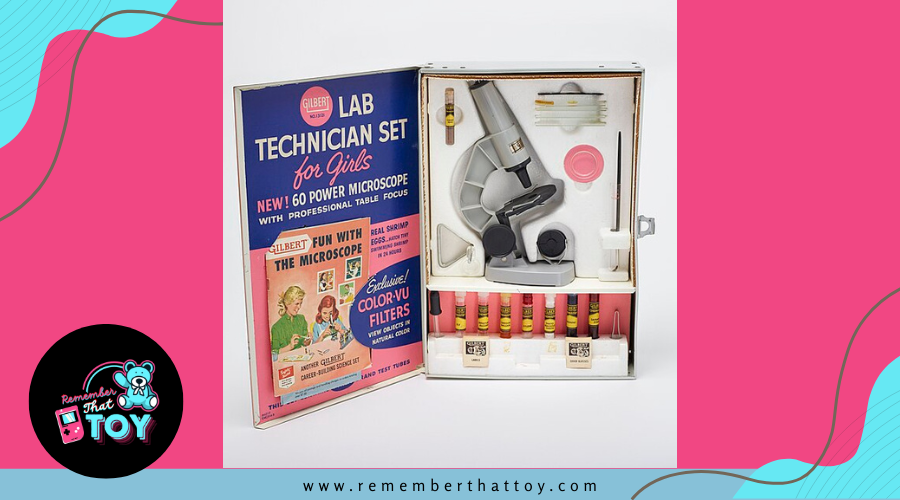
In 1934, the A.C. Gilbert Co. revolutionized children’s education by introducing toy microscope sets that ignited curiosity and hands-on exploration of the natural world. These early Microscope Kits featured a turret with three distinct levels of magnification, facilitating the examination of various biological specimens. By including blank slides, children could collect and prepare their own samples, allowing for a personalized scientific experience.
Designed for children aged 8 and up, these microscope sets became valuable educational tools for families and schools. Through inquiry-based learning, users not only explored the microscopic world but also developed critical thinking skills. The popularity of these sets in the 1930s laid the foundation for future science-based toys, encouraging other manufacturers to create similar products aimed at fostering a love of science.
Science History Institute, Gilbert Lab Technician Set for Girls 1958, CC BY-SA 3.0
Key Features of Modern Sets
With six levels of magnification ranging from 40X to 640X, modern microscope sets empower young scientists to make detailed observations of biological specimens. The metal body of sets like the Young Scientist Microscope Set guarantees durability and provides stability during explorations.
Enhanced clarity and quality are ensured with the inclusion of three DIN achromatic objectives, allowing for exceptional detail in observations. This feature is ideal for various educational applications. The user-friendly eyepieces, available in wide-field 10X and 16X options, offer a comfortable viewing experience, perfect for beginners in microscopy.
The adjustable focus mechanism enables precise control over observations, accommodating the developing skills of young scientists. Integrated substage lighting significantly enhances visibility at higher magnifications, ensuring clear views of intricate details in slides. These advanced features foster curiosity and a passion for science, opening up new avenues of exploration in the microscopic world.
User-Friendly Design Elements
User-friendly design elements in modern microscope sets enhance the experience for young scientists by making it easier to investigate and learn. These sets prioritize accessibility and usability, allowing budding scientists to focus on their observations rather than dealing with complex equipment.
Key features contributing to this user-friendly approach include:
- Ergonomic design: Control knobs on both sides enable comfortable focus adjustments without strain.
- Intuitive controls: Simple coarse and fine focusing mechanisms allow quick adjustments for clear sample views.
- Adjustable lighting: Easily modified substage lighting ensures specimens are well-illuminated for optimal visibility.
- Rack-stop mechanism: This feature protects slides and objectives from accidental damage, ensuring safe handling during experiments.
With these features, modern microscope sets empower young scientists, fostering exploration and discovery in a hands-on learning environment. These thoughtful elements ensure every user can confidently engage with the wonders of microscopy.
View this post on Instagram
Comprehensive educational components in microscope sets significantly enhance the learning experience, equipping young scientists with the tools necessary to explore the microscopic world effectively. Modern sets, such as the Young Scientist Microscope Set, feature high-quality optical lenses and adjustable focus mechanisms, allowing for precise examination of specimens. With multiple magnification levels, including 40X, 100X, and 400X, children can investigate a diverse array of biological samples, deepening their understanding of scientific methods. These sets often include interactive tools like tweezers, scalpels, and blank slides, which foster hands-on experimentation. This practical experience is crucial for nurturing childhood curiosity, enabling active engagement with the material. User-friendly designs, such as dual focusing controls and substage lighting, further streamline the examination process and ensure safe usage with rounded edges. Moreover, detailed warranty and quality assurance policies offer peace of mind, guaranteeing that these educational kits are durable and reliable. By providing your child with these comprehensive components, you are nurturing a lifelong passion for science and exploration. Using microscopes not only sparks curiosity but also nurtures critical thinking skills essential for young scientists exploring the natural world. Introducing children to microscopy involves more than just viewing slides; it develops critical analysis strategies that benefit their education and future endeavors. Inquiry-based learning through microscopy teaches them to make observations, ask questions, and draw inferences from their findings. This hands-on experience enhances their ability to interpret data and relate it to broader scientific principles. Key benefits of fostering critical thinking through microscopy include: Hands-on learning is essential for fostering a genuine interest in science, allowing young learners to connect theoretical concepts with real-world observations. With the Young Scientist Microscope Set, children aged 5 to 12 can engage in interactive experiments that spark scientific curiosity. This set enhances understanding of biology and microscopy, making it an excellent educational tool. Investigating prepared slides and adjusting the focus is more than play; it’s an immersive dive into nature inquiry. Each observation fosters critical thinking and vital observation skills. The microscope set encourages collaboration, transforming learning into a family activity or a valuable homeschooling resource, thereby enriching the educational experience. The Young Scientist Microscope Set adheres to rigorous safety standards, ensuring that children can explore the microscopic world safely. Tailored specifically for young users, this microscope set incorporates essential safety features that comply with children’s product safety regulations. You can trust that your child will be safe while discovering, as the materials used are both durable and non-toxic, significantly lowering the risk of injury during use. Key safety features include: Founded in 1909, A.C. Gilbert Co. revolutionized educational toys with their innovative microscopes, sparking scientific curiosity in children. Their commitment to quality and creative designs set a high standard that continues to influence educational toys today. A.C. Gilbert’s mission wasn’t just about products; it was about nurturing a love for science and exploration among young learners. Consider the following aspects of A.C. Gilbert’s legacy: The educational impact of A.C. Gilbert Co. is undeniable. By preserving this legacy, we honor the tradition of inspiring young scientists and nurturing their curiosity for years to come. Educational approaches have dramatically evolved over the decades, shifting from passive learning to interactive experiences that ignite curiosity and foster scientific exploration. The introduction of toy microscopes in the 1930s marked the beginning of hands-on learning, which has since become a vital component of education. Today, trends in education prioritize engaging students through exploration and creativity enhancement. Key aspects of this evolution include: These trends reflect a shift toward preparing you for a future where critical thinking and experimentation are crucial. By embracing these evolving methods, you not only learn about science but also develop skills that will benefit you in any field. The microscope set, therefore, isn’t just a toy; it’s a gateway to a world of exploration and understanding. The evolution of interactive learning has significantly boosted STEM education, showcasing a growing societal commitment to fostering scientific curiosity and innovation among young learners. Educational tools, such as microscope sets, have evolved since the 1930s, now encouraging hands-on exploration and making science more engaging. In recent decades, schools have increasingly emphasized STEM career paths, recognizing their importance in a rapidly changing job market. Interdisciplinary learning now connects concepts from science, technology, engineering, and mathematics, preparing students for real-world challenges. Technology integration is crucial in this shift; modern educational tools often include digital elements, promoting collaborative learning experiences that enhance critical thinking skills. With growing investments in STEM education, more resources and initiatives are being developed to inspire the next generation of scientists and innovators. By fostering scientific inquiry through interactive and technology-rich environments, educators are preparing young learners to thrive in STEM fields and contribute meaningfully to society. Compared to typical learning toys, the A.C. Gilbert Co. microscope set offers a unique, hands-on experience that sparks scientific curiosity and exploration. While many toys focus solely on entertainment, this microscope set emphasizes educational value, allowing users to engage with the natural world in a meaningful way. Its multiple lenses provide varied magnification, offering a deeper understanding of biological specimens that other toys can’t match. The microscope set represents a significant advancement in the evolution of educational toys, setting a precedent for future science-focused products that blend learning with play. Here are some advantages of the microscope set that highlight its importance: Vintage A.C. Gilbert Co. microscopes evoke a sense of nostalgia, enchanting collectors with their historical significance and charm. These toy microscopes, first introduced in 1934, hold a special place in the hearts of those who grew up with them. Their nostalgic appeal mirrors a bygone era’s enthusiasm for science and education, making them cherished items that spark childhood memories. As a collector, you’ll find that the value of these original sets often increases due to their rarity and condition. Enthusiasts eagerly search for well-preserved examples at toy fairs and auctions, drawn to the high-quality materials and innovative designs that set them apart from other toys of their time. Here’s a quick overview of what makes these microscopes so appealing: With each microscope, you’re not just acquiring a toy but also a piece of history that continues to inspire young scientists today. Educational science kits are set to revolutionize how children engage with science, merging technology and interactivity to create dynamic learning experiences. These kits are evolving into gateways for a future where learning is both enjoyable and effective. Key innovations include: As STEM education continues to gain importance, the demand for these engaging science kits will grow. These kits will not only foster creativity and critical thinking but also inspire the next generation of innovators. With these advancements, the future of educational science kits is promising, offering endless possibilities for young minds eager to explore the world around them. Microscope sets have been essential in inspiring young scientists since the 1930s. Combining creative design with hands-on investigation, these tools ignite curiosity and lay the foundation for future STEM learning. By introducing these educational kits to the next generation, we foster critical thinking and a love for science. Let’s continue to nurture this passion, ensuring that today’s young explorers become tomorrow’s pioneers.Comprehensive Educational Components
Importance in STEM Education
Encouraging Hands-On Learning
Safety Standards for Young Users
A.C. Gilbert Co. Legacy
Educational Trends Over Decades
STEM Education Growth
Comparison With Other Learning Toys
Collectibility and Nostalgia
Feature Significance Historical Value Represents educational trends of the past Condition Rarity boosts collectible value Materials High-quality construction Design Advanced features for their era Future of Educational Science Kits
Conclusion