How Did Hatchimals Ignite a Holiday Toy Frenzy?
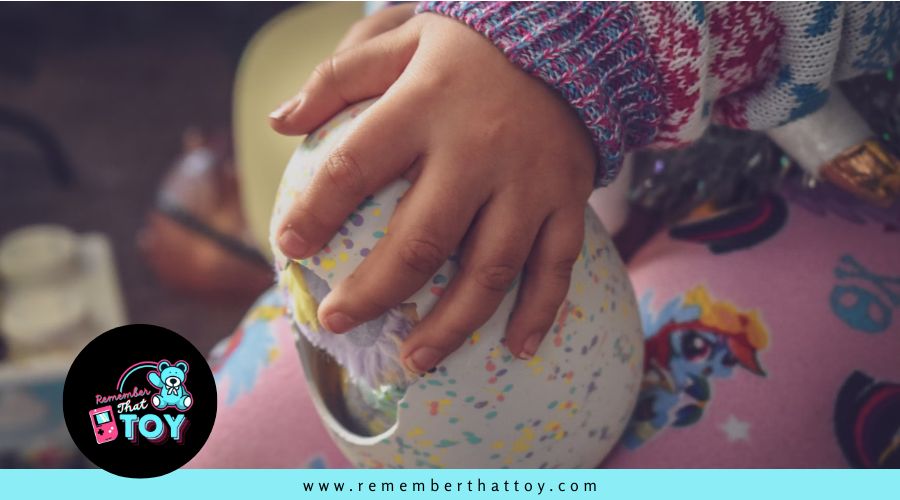
Hatchimals captured children's hearts with their unique unboxing experience, where a toy hatched from a colorful plastic egg. Launched in 2016 by Spin Master Corp., these interactive toys sparked a craze that disrupted traditional toy markets. Kids were enthralled by the anticipation of seeing their Hatchimal come to life, making the process not just about the toy itself but also about the journey of hatching it.
Retailing at $59.99, Hatchimals were seen as affordable yet highly desirable holiday gifts, adding to their mass appeal. Their interactive features, such as touch-responsive behaviors like burping and flapping wings, provided ongoing engagement and excitement, making them more than just a one-time thrill. This advancement in toy design set a new standard for what children expected from their playthings.
The combination of an affordable price point and groundbreaking design led to unprecedented demand, driving the Hatchimal craze to new heights. Spin Master Corp. managed to create a product that not only captivated kids but also became a must-have item in homes worldwide. This phenomenon was marked by long lines and skyrocketing prices on resale platforms, emphasizing the toy's irresistible charm and widespread appeal.
Supply Chain Struggles
The overwhelming popularity of interactive toys like Hatchimals led to significant supply chain issues, causing widespread shortages during the holiday season. Spin Master, the company behind Hatchimals, struggled to meet the skyrocketing demand. Retailers couldn't keep their shelves stocked, leaving many parents frustrated and empty-handed.
The chaos that ensued was memorable. The initial retail price of $60 quickly became a distant memory, as scarcity drove resale prices up to $750 on numerous online platforms. Despite immense pressure to ramp up production, Spin Master faced manufacturing delays, logistical hurdles, and distribution bottlenecks that compounded the problem. This imbalance between supply and demand heightened the emotional stakes for many families. Parents scoured stores and online listings, often in vain. The frenzy around finding a Hatchimal became a holiday stressor, transforming the toys from a simple purchase to a near-mythical quest. Spin Master's supply chain struggles didn't just affect toy availability; they amplified the tension and urgency of holiday shopping, turning Hatchimals into one of the most sought-after items of the season.
Reseller Market Surge
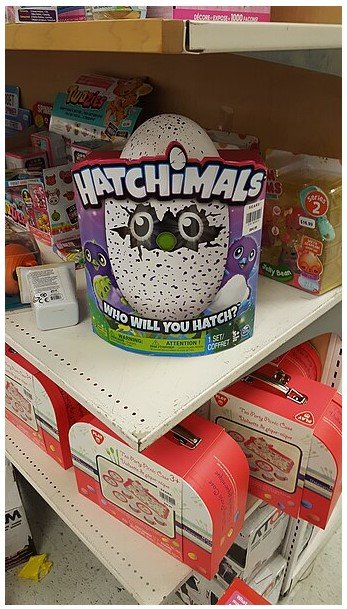
Driven by scarcity and high demand, the reseller market for Hatchimals surged, with prices skyrocketing to unprecedented levels. Originally retailing for $80, Hatchimals saw reselling prices on platforms like eBay climb to as much as $750. The limited availability of Hatchimals during the holiday season turned them into a highly sought-after commodity.
Online platforms played a pivotal role in this boom, allowing resellers to reach a wider audience almost instantly, driving prices higher each day. However, this frenzy wasn't without controversy. Alex Brancheau, for instance, faced significant backlash after selling Hatchimals online, with many accusing resellers of exploiting the toy shortage for profit.
Sara Gruen's attempt to use Hatchimal sales to fund her legal fees further underscored the moral dilemmas associated with reselling during this period. The rapid price inflation and subsequent backlash highlighted growing frustration among parents, who found themselves struggling to afford Hatchimals for their children. This situation illustrated the ethical complexities surrounding the reseller market surge, as parents grappled with paying inflated prices or disappointing their kids.
Parental Challenges
Parents faced significant challenges, grappling with emotional and financial stress as they tried to secure Hatchimals for their children during the holiday frenzy. The overwhelming demand and limited availability made obtaining one of these coveted toys nearly impossible without facing substantial hurdles. Resale prices soared to as high as $750, adding to the financial burden.
Many parents experienced immense emotional distress, worried about disappointing their children and struggling to uphold the magical promise of Santa. Societal pressure to meet these expectations only amplified their stress. Public criticism and hostile online comments further escalated the emotional toll.
Acts of Kindness
During the height of the Hatchimals craze, acts of kindness like Lisa Short's donation to Heather Bzdega stood out, demonstrating the power of community compassion. Amid the frenzy, Short read Bzdega's heartfelt story and decided to give her a Hatchimal, turning a stressful holiday season into a moment of shared humanity. This act of generosity highlighted how community compassion can counterbalance the negativity and hostility often associated with toy shortages.
Bzdega's gratitude was evident as she expressed how much the support from a stranger meant to her. Such acts of kindness served as a reminder that, even amidst consumer chaos, people can still connect on a deeply human level. These gestures didn't just provide a toy; they offered comfort and hope, reinforcing the importance of empathy in our communities.
Conclusion
The Hatchimals phenomenon during the 2016 holiday season was a remarkable example of how a single toy can captivate the imagination and desires of children worldwide. With their unique hatching process and interactive features, Hatchimals offered a fresh and engaging play experience that set new expectations for toys. This innovation, combined with an affordable price point, led to unprecedented demand, making Hatchimals a coveted item on many holiday wish lists.