How Did Finger Paint Emerge as a Popular Toy in the 1930s?
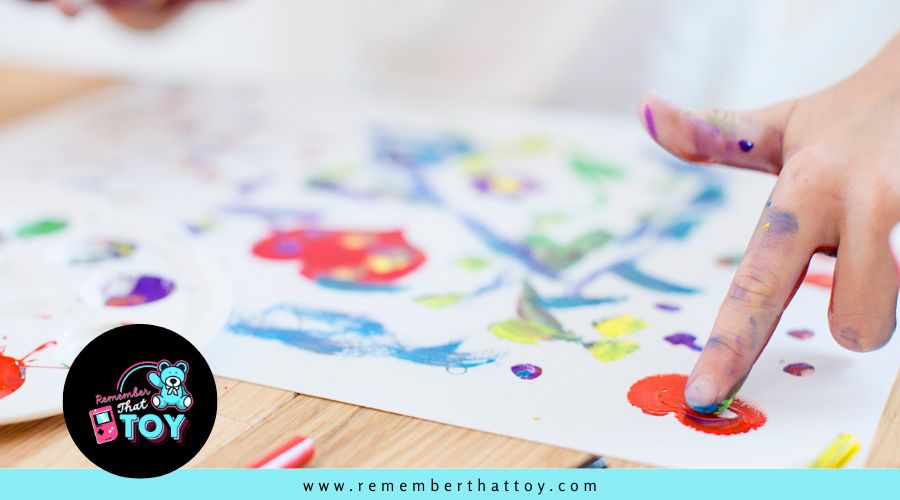
Ruth Faison Shaw's advocacy for finger painting gained significant traction with Crayola's introduction of child-safe finger paints in the late 1930s. Already renowned for its crayons, Crayola began producing non-toxic finger paints that revolutionized children's engagement with art. This collaboration with Shaw and Binney & Smith Co. made finger paints a safe and appealing option for creative expression in schools nationwide.
Crayola's effective marketing efforts greatly increased the popularity of finger paints, aligning perfectly with the progressive education movement of the time. Schools across the United States embraced these vibrant, non-toxic formulations, allowing children to explore their creativity safely. By focusing on bright colors and safety, Crayola made finger painting an enticing and accessible activity for young artists, encouraging experimentation and self-expression.
As Crayola continued to innovate in art supplies, finger painting maintained its relevance, ensuring that generations of children could enjoy this joyful and tactile form of art. Your experience with finger paints today can be traced back to Crayola's pivotal role in promoting this artistic medium, making creativity safe and accessible for all.
Impact on Education
Finger painting transformed education by emphasizing hands-on learning, allowing children to directly engage with materials and freely express their creativity. This innovative technique not only introduced children to a recognized form of artistic expression but also nurtured essential developmental skills. Here are four significant impacts of finger painting on education:
- Fine Motor Skill Development: Manipulating paint with their fingers enhances children's dexterity and control.
- Sensory Exploration: The tactile nature of finger painting offers rich sensory experiences, making learning enjoyable for children.
- Creative Engagement: By eliminating the fear of failure, finger painting encourages students to explore their artistic abilities without constraints, akin to artists like Iris Scott.
- Art Integration in Education: Finger painting supports incorporating art into broader curricula, fostering a more dynamic and engaging learning environment.
Through this hands-on approach, finger painting elevated educational practices, reflecting a shift towards valuing creativity. As a form of art therapy, it also provided emotional benefits, making it a valuable tool in classrooms since the 1930s.
Creative Expression Encouragement
Emphasizing hands-on learning nurtures fine motor skills and significantly encourages creative expression in young learners. Finger painting, introduced in the 1930s, revolutionized education by allowing children to explore their creativity freely. This method fosters a relaxed environment where students can engage in creative play without the constraints of traditional techniques.
Incorporating finger painting into classrooms led educators to adopt child-centered approaches, recognizing creativity as essential for a well-rounded education. Ruth Faison Shaw, a key advocate for this practice, emphasized its artistic and therapeutic benefits, providing children a non-verbal outlet for their emotions and experiences.
In such an environment, children feel empowered to express themselves, fostering a sense of individuality. This creative expression extends beyond art, enhancing problem-solving skills and critical thinking as students learn to make choices and explore different outcomes through their artwork. Ultimately, finger painting's impact on education is profound, highlighting that nurturing creativity is fundamental for developing confident and expressive individuals.
Fine Motor Skill Development
Engaging in finger painting significantly enhances fine motor skills in young children, contributing to their comprehensive development. This activity is not just enjoyable; it is instrumental in reaching key motor milestones. Through finger painting, children refine their hand-eye coordination, dexterity, and overall motor control.
Here are four ways finger painting aids in fine motor skill development:
- Hand-Eye Coordination: Manipulating paint helps children synchronize their visual input with their hand movements, improving coordination.
- Dexterity: Children learn to control their finger movements and apply different levels of pressure, which enhances their ability to grasp and manipulate objects.
- Grip Variation: Using fingers instead of brushes allows children to explore different grips, which is essential for developing fine motor skills.
- Spatial Awareness: The activity enhances spatial awareness, helping children understand the relationship between their movements and the resulting artwork.
Incorporating finger painting into educational settings not only makes learning fun but also significantly boosts fine motor skill development, preparing children for future tasks and challenges.
Popularity in the 1930s
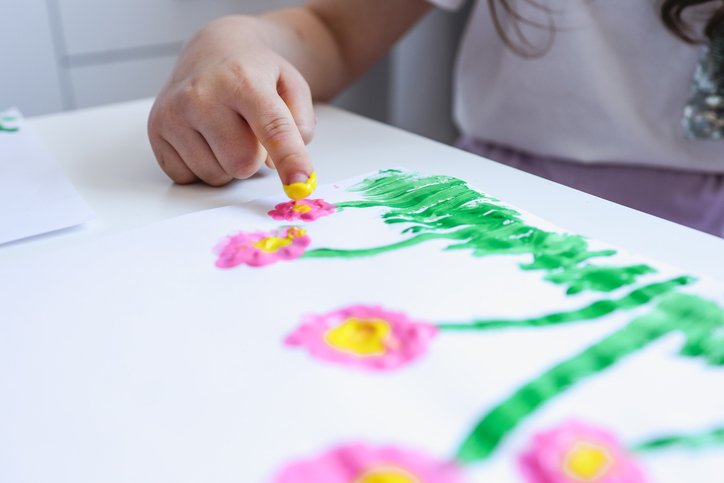
In the 1930s, finger painting became increasingly popular as schools embraced innovative, child-centered approaches to art education. This shift prioritized creativity and self-expression, enabling children to explore their artistic instincts freely. Ruth Faison Shaw was instrumental in this movement, publishing her influential book, Finger Painting, a Perfect Medium for Self-Expression, in 1934. Her work underscored the benefits of finger painting as a collaborative artistic medium for young learners.
The Binney & Smith Co., known for Crayola products, began manufacturing finger paints and paper, making the medium more accessible in classrooms. This commercial availability helped cement finger painting's role in educational systems.
Here's a summary of finger painting's rise in the 1930s:
| Key Developments | Impact on Education |
|---|---|
| Ruth Faison Shaw's book | Promoted self-expression |
| Binney & Smith's products | Increased classroom accessibility |
| Shift to experiential learning | Fostered creativity and collaboration |
Messy Play and Creativity
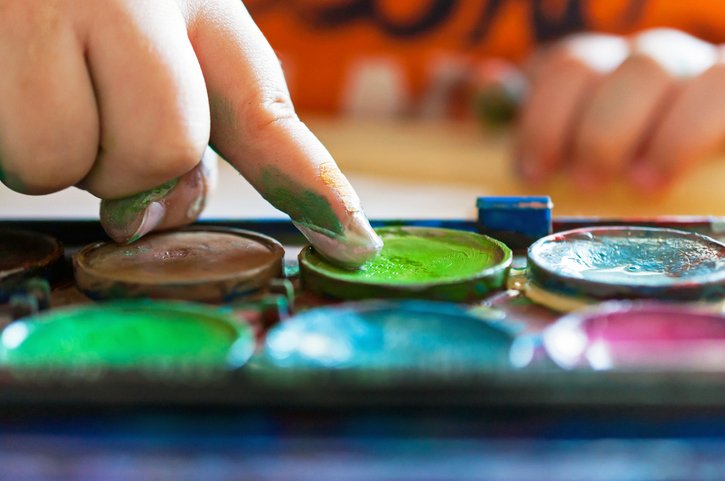
Messy play, such as finger painting, plays a crucial role in nurturing creativity and self-expression in children by providing the freedom to explore without boundaries. In the 1930s, Ruth Faison Shaw championed this approach, emphasizing that the process of creating art is just as important as the final product.
Participating in messy play not only cultivates artistic skills but also instills a love for exploration. This form of creative play encourages children to embrace spontaneity, paving the way for lifelong creativity and confidence. So, let them get messy—it's an integral part of the artistic journey!
Therapeutic Applications
Finger painting is a powerful therapeutic tool that allows children to communicate their emotions and experiences without words. Its tactile nature engages children, facilitating emotional release and promoting self-expression. This non-verbal form of communication is particularly beneficial in therapeutic settings, where children can safely explore their feelings.
Moreover, the collaborative aspect of finger painting fosters social interaction, creating a sense of community and shared experience. As children create together, they express themselves and support one another, enhancing their emotional well-being.
Incorporating finger painting into therapeutic practices enriches the creative process and provides a crucial outlet for emotional release, making it a valuable tool for promoting mental health and resilience in children.
Evolution of Art Education
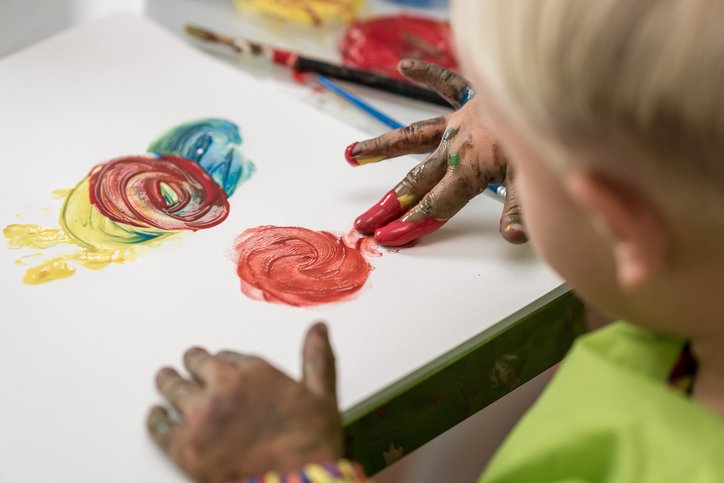
Art education has evolved significantly over the years, transitioning from rigid techniques to a more hands-on, creative approach that emphasizes self-expression and exploration. A key moment in this transformation was the introduction of finger painting in the 1930s by Ruth Faison Shaw. Shaw advocated for making art accessible, engaging, and centered around the child, influencing art pedagogy in American classrooms.
The popularity of finger painting in schools persisted until the late 1960s, highlighting its role in nurturing young artists. This shift paved the way for future innovations in art education, stressing the importance of integrating diverse artistic practices into curricula. Today, art education continues to encourage exploration and personal expression, building on the legacy initiated by Shaw's revolutionary approach to teaching art.
Conclusion
Finger paint transformed art and education in the 1930s. Pioneers like Ruth Faison Shaw, along with the support of Crayola, provided children with a vibrant medium for creativity and self-expression. This artistic movement not only transformed classrooms but also set the stage for future innovations in art education. Recognizing the therapeutic and cultural significance of finger painting, it is evident that this colorful medium continues to inspire generations.