How Did Barrel of Monkeys Swing Into Popularity in the 1960s?
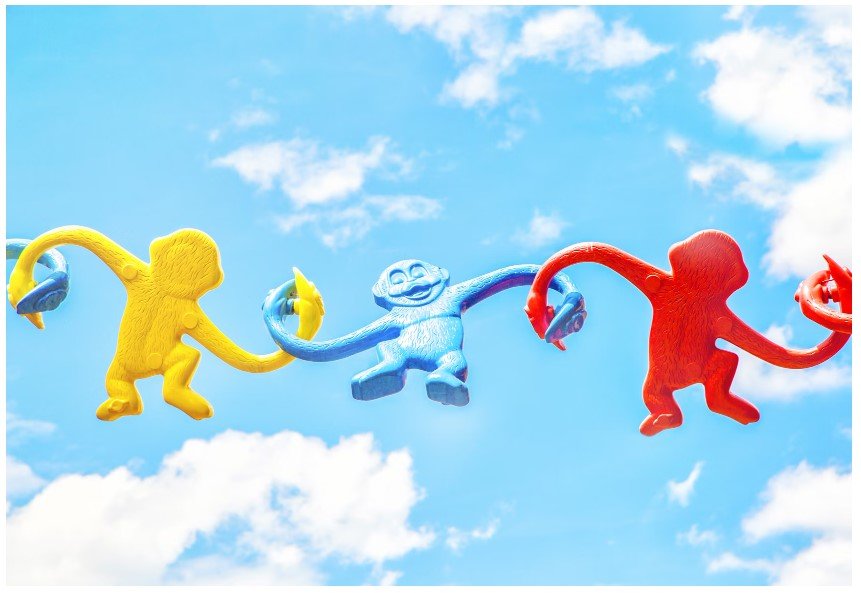
In 1961, Leonard Marks and Milton Dinhofer invented Barrel of Monkeys, originally naming it 'Chimp to Chimp.' The game featured 12 colorful monkeys in three colors: red, blue, and yellow. The inventors meticulously designed each monkey to ensure they hooked together seamlessly, creating an engaging and visually appealing chain.
Marks and Dinhofer didn't stop at just designing the monkeys; they also focused on the game's packaging. Initially, the game was packaged in a cardboard tube, but this proved too fragile. By 1966, they switched to a durable plastic barrel, which solved breakage issues and gave the game its iconic look. This change not only preserved the monkeys but also made the packaging a memorable part of the toy.
The success of Barrel of Monkeys lies in its simplicity and charm. The game is easy to understand and play, making it suitable for children and adults alike. The colorful monkeys and the challenge of hooking them together create a fun and engaging experience.
Initial Release and Reception
When Lakeside Toys released Barrel of Monkeys in 1965, it quickly won over children and parents. The game's simple yet engaging gameplay made it an instant hit. Kids enjoyed the challenge of linking the monkeys together, while parents appreciated its affordability and the joy it brought to family game nights.
By April 1967, Barrel of Monkeys had climbed to the #2 spot on Toy and Hobby World's Toy Hit Parade. This rapid rise in popularity was no accident. Word of mouth played a significant role, as did its widespread availability in stores across the country. The game's unique concept and engaging play captivated people from the start.
Design and Packaging Changes
Design and packaging changes significantly contributed to the enduring appeal and success of Barrel of Monkeys. Initially packaged in a cardboard tube, the game faced breakage issues that led to a switch in 1966 to the now-iconic plastic barrel. This change addressed durability concerns and added a tactile, playful element that resonated with kids and parents alike.
The brightly colored plastic monkeys, with their clever S-shaped arms, were designed for easy linking, enhancing both visual appeal and playability. The choice of lively colors like blue, yellow, and red aimed to catch the eyes of children and make the game more engaging. The barrel, capable of holding up to 24 monkeys, originally contained 13, allowing for diverse gameplay possibilities and keeping kids engaged.
These thoughtful design and packaging changes contributed considerably to the game's rapid rise in popularity. By April 1967, Barrel of Monkeys had climbed to the #2 spot on Toy and Hobby World's Toy Hit Parade. The combination of durable packaging and visually appealing, easy-to-use plastic monkeys ensured the game's place in the hearts of 1960s children.
View this post on Instagram
Marketing and Promotion
The strategic marketing and promotion of Barrel of Monkeys were instrumental in establishing its status as a beloved children's game in the 1960s. The catchy tagline "more fun than a barrel of monkeys" effectively captured the playful essence of the game, appealing to both children and families. This clever slogan quickly became synonymous with fun and excitement.
Lakeside Toys also invested in colorful packaging and an eye-catching design, featuring a plastic barrel and lively monkeys. This distinctive packaging was designed to stand out on store shelves, attracting the attention of children and their parents. The visual appeal of the plastic barrel and the animated monkeys made it hard to resist.
The game's skyrocketing popularity was further bolstered by its impressive ranking as #2 on Toy and Hobby World's Toy Hit Parade in April 1967. This recognition helped to establish Barrel of Monkeys as a must-have item during the toy boom of the 1960s. Additionally, strategic partnerships, such as the one with Coleco in 1985, improved distribution capabilities, allowing the game to reach a wider audience. This nostalgic marketing approach emphasized family bonding and simple entertainment, ensuring its enduring popularity.
Cultural Impact
In the 1960s, Barrel of Monkeys transcended its status as a mere game to become a cultural phenomenon that captivated families worldwide. By April 1967, it ranked #2 on Toy and Hobby World's Toy Hit Parade, demonstrating its widespread appeal. Known as 'Bandar Keela' in South Asian countries, the game's popularity and cross-cultural impact were significant.
Its simple mechanics and playful nature made it a staple of family game nights, fostering social interaction and creating shared memories across generations. Barrel of Monkeys was more than just a toy; it was a symbol of fun and togetherness in American homes.
The game's iconic status was solidified when Time magazine included it in its All-Time 100 Greatest Toys list in 2011. Appearances in popular media, such as Toy Story and Iron Man 3, further ingrained it into the cultural consciousness of diverse audiences. Barrel of Monkeys wasn't just a fleeting trend; it was a lasting part of pop culture that resonated with people across different backgrounds and eras.
Educational Uses
Barrel of Monkeys isn't just a game; it's a practical tool for exploring geometric principles and enhancing spatial reasoning skills. The interlocking S-shaped arms of the plastic monkeys allow you to delve into geometric shapes in a fun and engaging way. By connecting the monkeys, you can create both symmetric and asymmetric links, forming a variety of geometric structures.
Here's how you can use Barrel of Monkeys to explore geometric shapes:
- Symmetric Links: Create balanced, mirror-image structures to understand symmetry.
- Asymmetric Links: Experiment with irregular connections to observe the formation of complex shapes.
- Helical Structures: Connect asymmetric links repetitively to build spiral formations, mimicking biological structures like DNA.
- Complex Shape Visualization: Use the monkeys to model and understand abstract geometric concepts, making them more tangible.
Fine Motor Skills Development
Playing Barrel of Monkeys strengthens fine motor skills by requiring precise hand movements and careful coordination. When you link the monkeys by their arms, you're not just playing a game; you're enhancing your dexterity and hand-eye coordination. Manipulating these small plastic figures increases your grip strength and precision, essential components of fine motor skills development.
As you try to create longer chains without dropping any monkeys, you're practicing control and balance. This activity not only develops fine motor skills but also fosters patience and concentration. Additionally, the game's interactive nature allows for solo or group play, promoting social skills alongside individual motor abilities.
| Activity | Skill Developed | Educational Benefit |
|---|---|---|
| Linking Monkeys | Hand-Eye Coordination | Improves spatial awareness |
| Building Chains | Grip Strength | Enhances precision and control |
| Group Play | Social Interaction | Develops teamwork skills |
Educationally, Barrel of Monkeys is used in classrooms to teach geometric concepts and spatial awareness. By exploring the connections between the monkeys, children can better understand shapes and patterns, making learning both fun and effective. This balance of play and education makes the game a valuable tool for fine motor skills development.
Competitors and Market Position
In examining Barrel of Monkeys' market position in the 1960s, it becomes clear that it faced significant competition from other classic games like Jenga and Twister. The advent of electronic games such as Simon also began to alter play preferences. Despite these challenges, Barrel of Monkeys retained its appeal due to its straightforward mechanics and broad accessibility.
Competing Classic Games
During the 1960s, classic games like Barrel of Monkeys, Jenga, and Twister fiercely competed for children's attention in a rapidly evolving toy market. Barrel of Monkeys stood out with its simple yet engaging mechanics, allowing it to carve a niche despite the stiff competition. To understand its success, let's investigate the landscape of competing classic games:
- Jenga: Known for testing players' dexterity and patience, Jenga's block-stacking challenge became a family favorite.
- Twister: With its physical and interactive gameplay, Twister engaged players in a fun and often hilarious way, making it a party staple.
- Don't Spill the Beans: This game also focused on dexterity, requiring players to balance beans without tipping the pot.
- Simon and Merlin: These electronic games began to gain traction, showcasing a shift towards more technologically driven play.
Despite the rise of electronic games, Barrel of Monkeys maintained its relevance. Its ranking as #2 on Toy and Hobby World's Toy Hit Parade in April 1967 highlighted its popularity. The game's production and distribution received a significant enhancement when Coleco acquired Lakeside Toys in 1985, ensuring Barrel of Monkeys remained a beloved classic. Its appeal spanned generations, cementing its status in the competitive toy market.
Market Longevity Factors
Barrel of Monkeys' enduring market presence can be attributed to several key factors that have allowed it to adapt and remain relevant in a competitive landscape filled with both classic and electronic games. This simple game with plastic monkeys has managed to carve out a lasting niche through the following:
- Simplicity and Accessibility: Its straightforward gameplay made it easy for young players to learn and enjoy without needing complicated instructions.
- Unique Gameplay: Competing against other classic games like Jenga, Twister, and Don't Spill the Beans, Barrel of Monkeys stood out by offering a distinct and engaging challenge.
- Strategic Distribution and Acquisition: Initial distribution by Lakeside Toys and later acquisition by Coleco expanded its reach, solidifying its market position.
- Consistent Retail Presence and High Popularity Rankings: Its consistent presence in retail stores and high rankings on toy popularity lists, such as being #2 on Toy and Hobby World's Toy Hit Parade in 1967, enhanced its credibility and appeal.
These factors collectively ensure that Barrel of Monkeys remains a beloved classic even today.
Wrapping up
Barrel of Monkeys remains a staple on toy store shelves, reflecting its enduring charm and appeal across generations. The game's 50th anniversary in 2015 was a significant milestone, celebrating its nostalgic value and continued relevance. Whether you are a child encountering it for the first time or a collector cherishing memories, Barrel of Monkeys continues to delight and entertain.