How Did Balsa Wood Gliders Soar in Popularity in the 1940s?
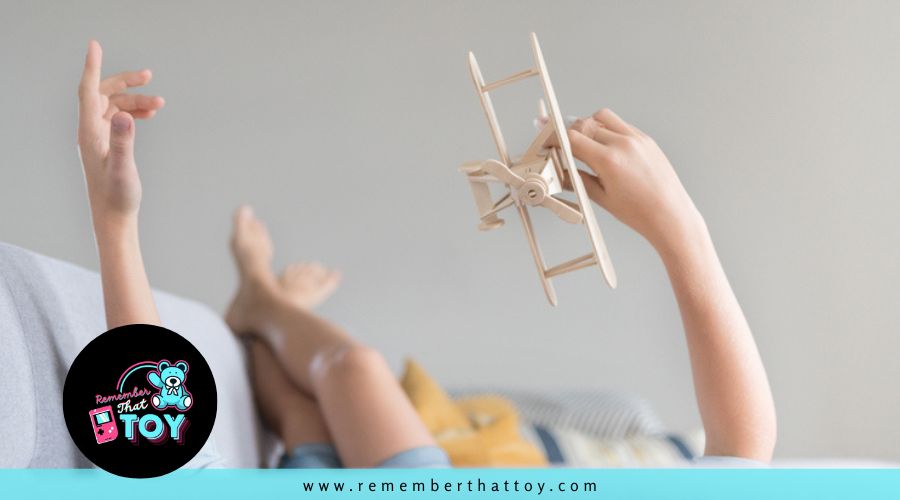
In the 1940s, balsa wood gliders gained immense popularity due to their lightweight design and affordability. Crafted from the exceptionally light and durable balsa wood, these gliders became a favorite among children and hobbyists. The material's unique properties made it ideal for flight, enabling easy assembly and impressive aerial performance.
Starting in 1928, Guillow began designing and producing balsa wood gliders, revolutionizing their construction and quality. His dedication to innovation and excellence helped establish these gliders as household staples. By the 1940s, his company was manufacturing millions of models, captivating a generation fascinated by aviation.
One popular feature was the rubber band launcher, a simple mechanism that allowed users to launch their gliders with a quick flick, sending them soaring through the air. This made the experience even more thrilling and accessible, particularly for younger enthusiasts. With models priced between 10 to 25 cents, balsa wood gliders offered an affordable and enchanting way to explore the principles of flight, sparking a lifelong interest in aviation for many.

Post-War Cultural Impact
The tales of wartime aviation shared by returning soldiers ignited a nationwide enthusiasm for flight and model building. Families eagerly gathered to hear these captivating stories, which often highlighted the heroic feats of wood-framed aircraft that were pivotal during World War II. This newfound fascination quickly translated into a booming interest in constructing balsa wood gliders.
In schools, educational programs began incorporating lessons on aerodynamics and flight principles. These programs introduced many children to the magic of balsa wood gliders, blending fun with learning. It wasn't just about play; it was about understanding the science behind flight, which captivated young minds.
The cultural impact of aviation success during the war made flight a symbol of innovation and achievement. Balsa wood gliders allowed people to bring a piece of that excitement into their own backyards. Their simplicity and affordability—ranging from just 10 to 25 cents—meant that almost anyone could participate.
Affordable Entertainment Options
As enthusiasm for aviation soared, balsa wood gliders emerged as a popular and affordable form of entertainment for post-war families. Priced between a dime and 25 cents, these simple yet captivating toys became accessible to nearly everyone, coinciding with an era marked by increased disposable income and leisure time.
Balsa wood gliders became a household favorite for several reasons:
- Affordability: Costing just a few cents, they were budget-friendly.
- Family Bonding: Building and flying these gliders together fostered family connections.
- Outdoor Activity: They encouraged outdoor play and enjoyment of fresh air.
- Creative Engagement: Assembling and customizing the gliders nurtured creativity and problem-solving skills.
During the 1940s, millions of these gliders were produced, underlining their popularity. They perfectly aligned with the cultural shift towards family-oriented leisure activities. The simplicity and low cost of balsa wood gliders made them ideal for casual play and organized contests, cementing their place in the hearts of both children and adults.

Manufacturing and Design Innovations
Streamlined production techniques enabled manufacturers to produce these gliders on a larger scale, significantly reducing costs. As a result, these gliders became widely available in local stores, appealing to both children and hobbyists.
The evolution in design also played a crucial role in their widespread popularity. Manufacturers began offering easy-to-assemble kits with pre-cut parts and detailed instructions, making it possible for even novice builders to enjoy constructing and flying these models. Innovations, such as rubber-band propulsion systems, enhanced flight performance and provided a more engaging experience.
Balsa wood's inherent properties further contributed to the popularity of these gliders. Its lightweight yet durable nature made it an ideal material for models capable of achieving impressive flight distances. Additionally, creative designs, including those featuring propellers, added to the excitement and appeal.
Key aspects of these innovations include:
| Aspect | Description | Impact |
|---|---|---|
| Production Techniques | Streamlined mass production | Reduced costs |
| Design Evolution | Easy-to-assemble kits and propulsion systems | Increased accessibility |
| Material Advantages | Lightweight, durable balsa wood | Enhanced flight |
| Popularity Factors | Growing interest in aviation during WWII | Higher demand |
These innovations ensured that balsa wood gliders remained a beloved pastime throughout the 1940s.

Marketing Strategies of the 1940s
During the 1940s, radio and print ads brilliantly showcased balsa wood gliders, capitalizing on the era's aviation craze and post-war enthusiasm. Advertisers used clever techniques to captivate consumers, leveraging the media influence of the time. Engaging radio jingles and vibrant print ads promised endless fun and educational value.
Key points emphasized in these ads included:
- Ease of Assembly: Campaigns highlighted the simple assembly process, making them ideal for family activities.
- Imagination: Colorful illustrations and catchy slogans in print ads captured the youthful imagination, encouraging model building.
- Aviation Craze: The popularity of aviation-themed movies and shows further boosted the appeal, making these gliders symbols of excitement and exploration.
Celebrity Endorsements
In the 1940s, advertisers effectively leveraged the influence of popular celebrities to enhance the appeal of balsa wood gliders among young enthusiasts. By utilizing star power, they crafted advertising strategies that deeply resonated with their target audience. The advent of radio and early television provided ideal platforms to showcase these endorsements, making balsa wood gliders highly desirable to children.
Imagine hearing your favorite radio star or seeing a beloved TV personality extol the joys of flying a balsa wood glider. These endorsements did more than just sell a product; they sold an experience, making the gliders seem an essential part of childhood. Advertisers skillfully used emotional appeal to link the excitement of model aviation with the admiration children had for celebrities.
Promotional events featuring stars, such as flight demonstrations or contests, further amplified the excitement. Children would eagerly attend these events, inspired by their heroes and dreaming of replicating those flights at home. By tying endorsements to children's programming, advertisers ensured their message resonated, leveraging nostalgia and the aspirational nature of celebrity culture.
In-Store Demonstrations
Retailers captivated children and parents alike with engaging in-store demonstrations of balsa wood gliders. By showcasing the ease of assembly and flight, these demonstrations made the toys irresistible. This hands-on marketing approach allowed customers to experience the gliders in action, significantly boosting their appeal.
Imagine walking into a store and seeing gliders soaring through the air, launched by enthusiastic demonstrators. This type of engagement was crucial for driving sales.
Retailers effectively used in-store demonstrations to their advantage by:
- Showcasing Simplicity: Demonstrators highlighted how quickly and easily the gliders could be assembled.
- Highlighting Performance: The impressive flight capabilities of the gliders, both indoors and outdoors, were major selling points.
- Creating Excitement: Live demonstrations drew crowds, including curious children and their parents.
- Building Community: These events fostered a sense of togetherness as kids gathered to watch and participate.
Educational and Recreational Value
Balsa wood gliders provided both educational and recreational value, offering insights into aerodynamics and endless fun for children and families. They were ideal for hands-on learning, making complex concepts like flight mechanics tangible. By assembling and flying these gliders, kids and adults could directly observe how different components and designs affected flight performance, making abstract principles more accessible and engaging.
Outside the classroom, balsa wood gliders encouraged outdoor creativity. Families would gather in parks or backyards to launch their gliders into the sky, enjoying simple, spontaneous play. The lightweight, easy-to-assemble design made them perfect for outdoor activities, encouraging children to spend more time outside. Priced between 10 to 25 cents, they were an affordable form of entertainment, particularly appealing during the post-war economic boom.
Schools also used balsa gliders for science projects and competitions, reinforcing lessons in physics and engineering while fostering a sense of accomplishment and curiosity. The cultural impact of these gliders led many children to develop a lifelong interest in model building and aerodynamics.
Modern Influence
The lasting influence of 1940s balsa wood gliders is evident today in both educational and hobbyist circles. Their nostalgic appeal bridges past and present, making them relevant in various contexts. In classrooms, teachers use these gliders to illustrate principles of aerodynamics and physics through hands-on learning, thanks to their simplicity.
In the hobbyist community, modern adaptations of balsa wood gliders have evolved. Advanced materials and technology have led to more sophisticated designs, while retaining the essence of the original gliders. Here's how they continue to make an impact:
- Educational Tools: Schools use them to teach science concepts through interactive projects.
- Nostalgic Appeal: Many adults build and fly these gliders, reliving childhood memories.
- Modern Adaptations: Innovations in design and materials have led to high-performance models.
- Community Events: Competitions and exhibitions showcase the enduring popularity and creativity in glider design.
These gliders blend educational value with recreational fun, ensuring their presence in modern classrooms and hobbyist circles.
Conclusion
Balsa wood gliders soared in popularity due to their affordability, ease of assembly, and appeal to aviation enthusiasts during a time when flight was captivating the public's imagination. As World War II fueled interest in aircraft, these lightweight gliders offered a hands-on way for children and hobbyists to engage with aerodynamics and model building. Their simple construction and impressive flight capabilities made them a favorite pastime, providing endless hours of outdoor fun.