Hot Wheels: The 1960s Toy Cars That Raced into Popularity
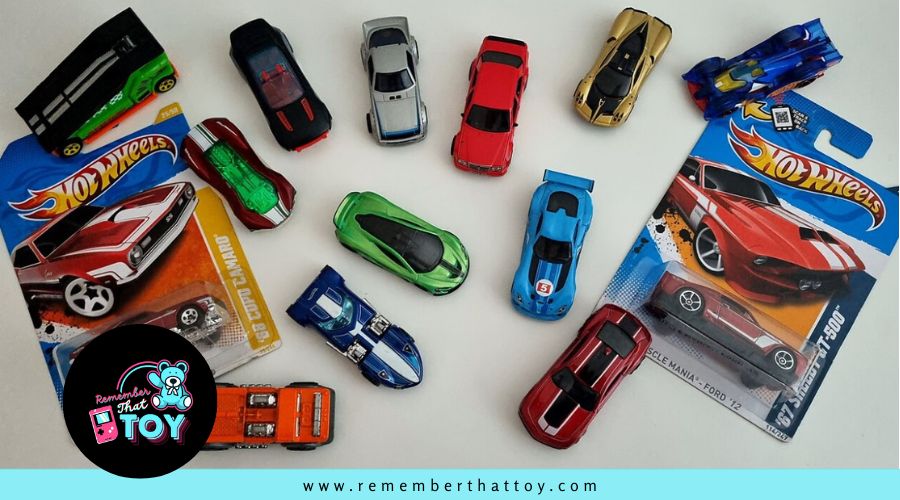
Launched in 1968 by Mattel, Hot Wheels sprang from the vision of co-founder Elliot Handler, who emphasized play over collectibility. Inspired by the vibrant hot rod culture of the 1960s, the brand focused on creativity and performance. The initial design team, including talents like Harry Bentley Bradley, combined automotive expertise with toy innovation to create something truly unique.
The inaugural series, known as the 'Sweet 16,' introduced 16 custom die-cast cars, with the Custom Camaro as the debut model. This innovative approach captivated both kids and collectors, resulting in over 16 million units sold in the first year! Hot Wheels didn't just enter the market; it transformed it. By prioritizing fun, performance, and imaginative designs, Hot Wheels set new standards for miniature vehicles and established itself as a leader in the toy car industry.
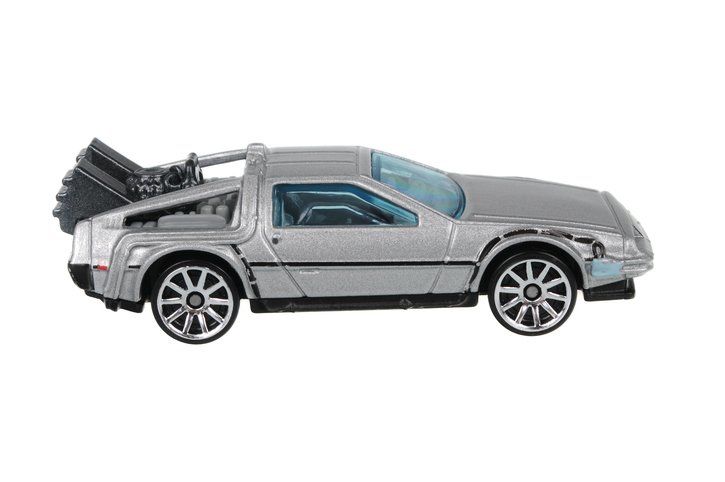
Design Innovations of the 1960s
During the 1960s, Hot Wheels altered toy car design with innovative wheel advancements, setting new standards for performance and playability. Unlike competitors such as Matchbox and Corgi, Hot Wheels featured a patented independent suspension system that allowed for smoother handling and better navigation of loops and curves, making playtime more exhilarating.
The standout feature of Hot Wheels cars was their combination of wide tires and a low-friction wheel/axle assembly. This innovation enabled the toy cars to achieve impressive scale speeds of up to 200 mph. The use of thick gauge music wire for axles minimized friction and enhanced speed and durability, contributing to the thrill of racing down tracks.
Spectraflame Paint Technology
Introduced in 1968, Spectraflame paint technology transformed the appearance of Hot Wheels toy cars with its vibrant and reflective finishes. Using a transparent, metallic formulation, this paint made vintage Hot Wheels stand out in the diecast car market. Iconic models like the Custom Camaro became instantly recognizable due to their stunning Spectraflame paint, which became a signature feature of the brand.
The application of Spectraflame paint involved a meticulous, multi-step process, ensuring each toy car not only dazzled with color but also maintained durability. This unique technology produced a deeper, richer hue that was unparalleled at the time. For children, the glossy finish made these toy cars irresistible, while collectors valued their distinct aesthetic.
Spectraflame paint helped establish Mattel Hot Wheels as a leader in the toy car industry during the late 1960s. The combination of innovative design and striking colors captivated a generation, setting a new standard for diecast cars that continues to endure.
Market Success and Sales Figures
Hot Wheels achieved phenomenal success following its 1968 launch, quickly becoming the top-selling toy worldwide with over 16 million units sold within its first year.
By 1991, Hot Wheels had produced its 1 billionth car, underscoring its dominance in the die-cast car segment. Today, the brand maintains impressive sales, with an astonishing 16.5 cars sold every second. This enduring popularity highlights the brand's ability to adapt and thrive over the decades.
Cultural Impact on Society
Reflecting California's vibrant custom car culture, Hot Wheels have significantly influenced both the toy and automotive industries since the 1960s. These iconic miniature cars showcase vintage diecast craftsmanship and capture the essence of muscle cars, sparking imagination with their custom designs. As a cultural phenomenon, Hot Wheels transcended mere playthings, becoming a rite of passage for many children and encouraging creativity through racing challenges and imaginative storytelling.
The brand's innovative features set new standards in toy design, making it the top-selling toy globally. By partnering with real automotive brands, Hot Wheels added authenticity that connected enthusiasts to a world of speed and style, integrating seamlessly into the cultural fabric of leisure and transportation.
Moreover, Hot Wheels have evolved into beloved collectibles, appealing to multiple generations. Whether you're a seasoned collector or reminiscing about childhood, these cars evoke nostalgia and foster a sense of community among fans. The impact of Hot Wheels on society is undeniable, shaping how we perceive toys, cars, and creativity itself.

Notable Hot Wheels Models
The allure of Hot Wheels extends beyond their playful designs to their remarkable models that have captivated collectors and enthusiasts alike. Among these, the 1968 Custom Volkswagen is notable, fetching around $1,500 for mint-condition versions. Its vintage charm continues to attract attention. However, the most valuable of them all is the 1969 Pink Rear-Loading Volkswagen Beach Bomb, a prototype known to sell for an astounding $72,000. This model's rarity makes it a holy grail for many collectors.
Another remarkable model is the 1968 'Cheetah Base Python (Hong Kong), which can reach prices around $10,000 due to a naming error, further adding to its allure. Similarly, the 1970 Ed Shaver Custom AMX is highly sought after, valued at approximately $4,000. Finally, the 1970 'Mad Maverick Base Mighty Maverick is prized among serious collectors, thanks to its limited existence due to trademark issues. Each of these models tells a story, making them not just toys but valuable gems in the world of Hot Wheels.
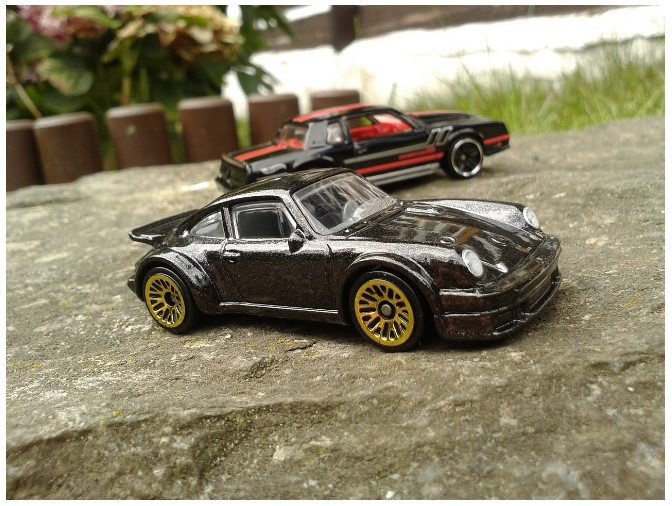
Value of Vintage Hot Wheels
Mint-condition vintage Hot Wheels, especially those from the late 1960s, can command impressive prices, sometimes reaching thousands of dollars for rare models. For instance, the Pink Rear-Loading Beach Bomb is valued at approximately $175k, highlighting the lucrative potential of a well-curated vintage collection. The condition of these diecast cars is critical; mint-condition items sell for significantly higher prices than those showing wear or damage.
Collectors particularly seek limited edition models and variations in production, such as rare colors and unique features. Redline Hot Wheels, produced during the early years, are especially coveted due to their distinctive characteristics and high desirability among collectors. These factors can substantially increase the market value of certain models compared to their more common counterparts.
Packaging Importance
Original packaging significantly enhances the value of vintage Hot Wheels, making them highly desirable to collectors. When you find a vintage car still in its original packaging, you could be looking at a substantial increase in market value. Here are key aspects to consider:
- Mint Condition: Cars in pristine packaging can command prices much higher than their loose counterparts.
- Unique Variations: Limited editions with distinct card designs or stickers greatly increase desirability.
- Condition Matters: Even minor creases or discoloration can significantly impact overall valuation.
Collectors prioritize items in original packaging as it indicates a well-preserved piece of history. The rarity and condition of these packages often determine their worth, with prices sometimes ranging from hundreds to thousands of dollars. If you're entering the world of vintage Hot Wheels, remember that packaging is not just a secondary detail; it is a vital aspect that can substantially elevate your collection's market value.
Collecting Trends and Insights
Collecting vintage Hot Wheels from the 1960s has become a vibrant hobby, driven by nostalgia and the thrill of hunting down rare models. Enthusiasts know that the market for vintage diecast cars has surged, with collectors eager to add these iconic toys to their collections. Mint-condition items and original packaging are essential, as they significantly impact the market value of specific models.
Here are some key trends:
| Trend | Details |
|---|---|
| Mint Condition Focus | Collectors prioritize pristine items, enhancing desirability. |
| Limited Editions | Rare models, like the Ed Shaver Custom AMX, can fetch up to $4,000. |
| Online Marketplaces | Platforms like eBay facilitate easy buying, selling, and price negotiation. |
Engaging with the community through forums and social media enriches the collecting experience, offering insights into market trends and networking opportunities. As you delve deeper into this hobby, keep an eye on the evolving market value of your vintage Hot Wheels—not just as a collection, but as a potential investment!
Special Edition Releases
As collectors aim to enhance their vintage Hot Wheels collections, special edition releases provide unique opportunities to acquire models distinguished by both design and value. These limited edition sets not only enrich your collection but also increase its overall worth. Here are three standout special editions to consider:
- 30th Anniversary Set - Celebrating three decades of Hot Wheels' legacy, this set includes six diecast cars priced at $29.95.
- Bruce Meyer Gallery Set - Priced at $50.00 with free shipping, this set features four custom race cars, highlighting the brand's commitment to unique designs and collector appeal.
- Vintage Racing Club Set - For $26.99 plus $8.99 shipping, this collection includes five cars tailored specifically for vintage racing enthusiasts.
These special edition releases not only make for exciting additions but also exemplify the artistry behind Hot Wheels. The exclusivity of these diecast cars enhances their collector appeal, ensuring you own a piece of automotive history that will be cherished for years to come.
Condition and Restoration Considerations
For collectors, determining the condition of your Hot Wheels die-cast cars is crucial as terms like Mint, Near Mint, and Good significantly influence their market value. When evaluating vintage models, inspect paint quality, wheel and axle integrity, and the presence of original packaging. These factors are especially important for sought-after Redline period cars and can dramatically impact their valuation.
Restoration potential is another key consideration. Collectors often target rare or damaged models for restoration, believing that a well-executed repair can increase a car's market value. If your vintage Hot Wheels are in poor condition, don't despair; appropriate restoration can improve their desirability.
However, exercise caution—over-restoration can reduce value. Authenticity is essential; collectors generally prefer items in their original condition, particularly those from the Redline period. If considering restoration, weigh the rarity and current condition carefully. A good restoration can enhance your car's overall worth, but preserving its original charm is equally significant for collectors.
Conclusion
Hot Wheels transcends being merely a toy; it stands as a cultural icon embodying the spirit of the 1960s. With innovative designs and an emphasis on speed, these miniature cars captivated both children and collectors. Whether you're reminiscing about childhood or exploring the realm of collecting, the excitement of these vibrant cars endures, making them timeless treasures.
Related posts