History of the Magic 8 Ball
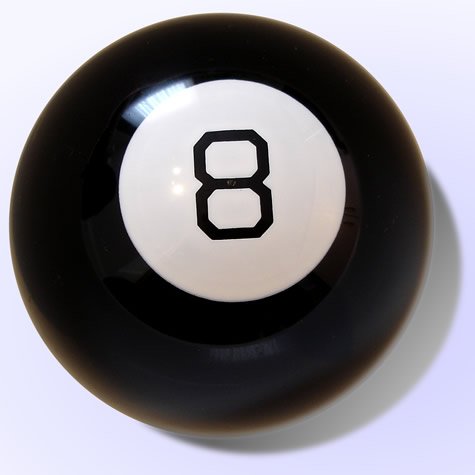
The Magic 8 Ball has been a staple toy for many generations, known for answering yes-or-no questions with a sense of mysticism. This iconic object was not always intended as a child’s toy. Its beginnings trace back to Albert C. Carter. Carter, who grew up surrounded by the mystical practices of his mother, a Cincinnati clairvoyant named Mary Carter, was influenced by a device she used called the Psycho-Slate. This chalkboard-in-a-box would produce written answers to questions seemingly by spirit intervention.
Albert C. Carter took inspiration from his mother’s device and invented the Syco-Seer in 1944. This device consisted of a liquid-filled tube with worded dice at each end. When turned upright, the dice would reveal an answer through a clear window. Though early prototypes even used molasses, the principle remained the same. Carter, confident in his invention, teamed up with a local store owner named Max Levinson, who then involved his brother-in-law, Abe Bookman.
Bookman, a graduate from the Ohio Mechanics Institute, contributed significantly to the mass production and commercialization of the Syco-Seer. Together with Carter and Levinson, he established Alabe Crafts, Inc., a name derived from Albert and Abe. Despite Carter's patent application in 1944, he passed away before seeing it granted in 1948. His untimely death left Bookman to continue advancing the product.
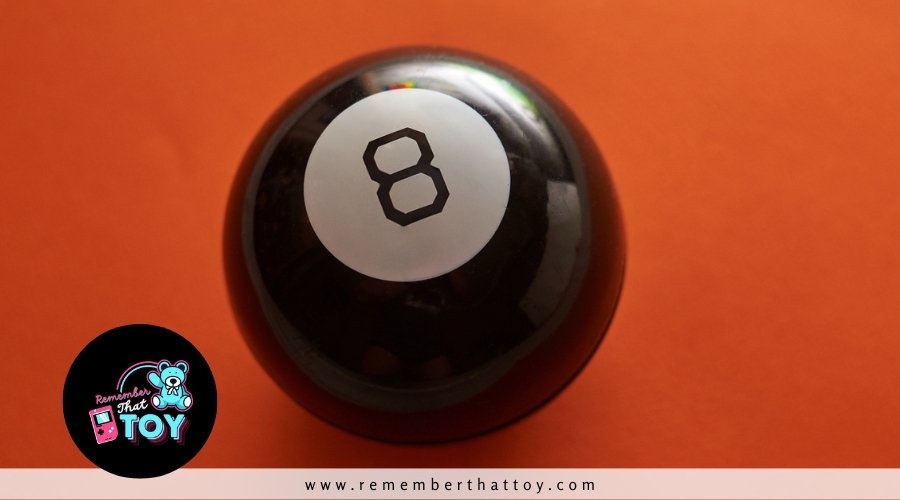
Alabe Crafts, Inc. would eventually rebrand the Syco-Seer multiple times. First, it transformed into the Syco-Slate: The Pocket Fortune Teller. Later in 1948, in an attempt to boost sales, Bookman introduced a design encasing the tube in a crystal ball. This design, though not a commercial hit, captured the interest of Brunswick Billiards. In 1950, Brunswick needed a novelty item to promote their company and the Syco-Seer fit the bill. Bookman capitalized on this opportunity, redesigning the device into a black billiard 8 ball.
Following the successful promotion, Bookman kept the 8 ball design. Initially marketed as a paperweight, it wasn’t until the noticeable popularity among children that Bookman decided to re-market it as a toy. The shift proved successful, and thus the Magic 8 Ball was born.
In 1971, Alabe Crafts and the Magic 8 Ball were sold to Ideal Toys, and today the product is owned by Mattel. Mattel, a giant in the toy industry, claims to sell about a million Magic 8 Balls annually. It's no surprise that the Magic 8 Ball was named one of TIME Magazine’s "All-TIME 100 Greatest Toys" in 2011.
The Magic 8 Ball operates using a 20-sided icosahedron die floating in a liquid-filled chamber. The die includes 10 positive responses, five negative, and five neutral replies. This setup ensures a balance of answers, maintaining the product's appeal. Over the years, its simplicity and the element of randomness have kept it popular for decision-making and entertainment.
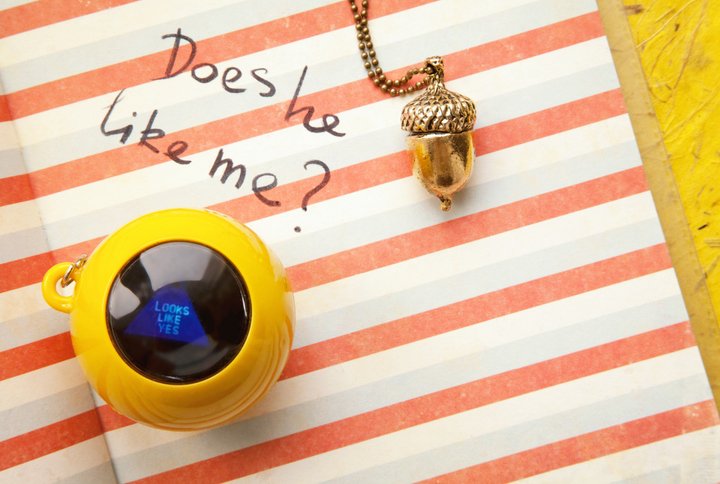
Possible Answers:
- Positive: "Yes," "Without a Doubt," "You May Rely On It," "As I See It, Yes," "Most Likely," "Outlook Good," "Yes, Definitely," "Signs Point to Yes," "Outlook Good," "Yes."
- Negative: "No," "Don't Count On It," "My Sources Say No," "Outlook Not So Good," "Very Doubtful."
- Neutral: "Reply Hazy, Try Again," "Ask Again Later," "Better Not Tell You Now," "Cannot Predict Now," "Concentrate and Ask Again."
The Magic 8 Ball has permeated popular culture, appearing in various movies and TV shows. Known for its mysticism and simplicity, it continues to intrigue millions of users who seek guidance for their yes-or-no questions. The toy’s appeal lies in its straightforwardness and its capacity to provide random yet seemingly profound answers.
The enduring charm of the Magic 8 Ball lies in its ability to blend fortune-telling with everyday decision-making. This mix makes it a unique novelty toy that captures both the imagination and the curiosity of users across age groups. The black 8 ball design ties it to the world of billiards, giving it a tangible, familiar feel while maintaining its mysterious allure.
Throughout its history, the Magic 8 Ball has proven to be more than just a toy. It’s a cultural icon with roots in mysticism and a legacy of entertainment that spans decades. From a marketing gimmick for Brunswick Billiards to a best-selling product under Mattel, its journey reflects clever marketing and a bit of serendipity.
Even with advancements in technology and new toy trends, the Magic 8 Ball remains relevant, showcasing the timeless appeal of simplicity and random fortune-telling.