History of Puzzles: A Journey Through the Ages
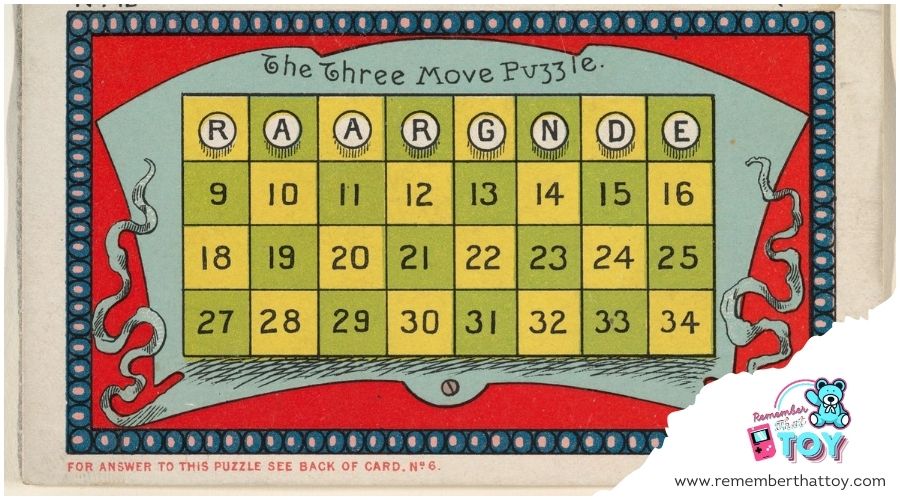
Puzzle solving has long captivated enthusiasts, and its evolution over the past century has mirrored technological advancements and societal changes. Since the early 1900s, puzzles have provided entertainment and intellectual stimulation, adapting to the times while retaining their intrinsic appeal.
The Early 1900s: The Birth of Puzzle Mania
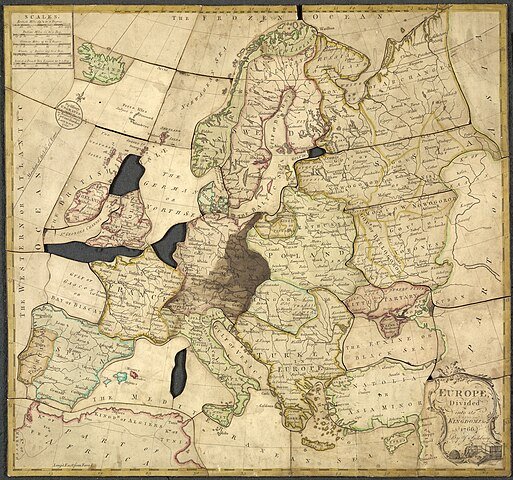
The puzzle craze truly took hold in the United States around 1908. Initially, puzzles were crafted from wood, with pieces meticulously hand-cut along color lines, which made assembly exceptionally challenging. Unlike modern puzzles, these early versions often lacked interlocking pieces and reference images, keeping the final picture a surprise until the puzzle was completed. Despite these difficulties, or perhaps because of them, puzzle solving became an engrossing hobby, captivating adults across the country.
Financial Impact of the Puzzle Market
Wooden puzzles, initially hand-cut, were costly. In 1908, a 500-piece puzzle could cost around $5, an amount well beyond the reach of many workers. Despite the high cost, affluent families embraced these puzzles, especially for weekend gatherings. The introduction of distinctive figure pieces by Parker Brothers made puzzles slightly easier but added a new level of interest with shapes like dogs and birds.
The Great Depression reignited the popularity of puzzles. With higher unemployment and limited income, people turned to puzzles for affordable home entertainment. Many craftspeople began making puzzles to earn income, and renting puzzles from local stores became common. This period also saw a rise in affordable, mass-produced cardboard puzzles that reached millions each week.
Industrialization and Promotional Puzzles
Die-cut cardboard puzzles revolutionized the market. These puzzles were cheaper to produce, making them accessible to a broader audience. By mid-1932, puzzles were used as promotional items, with stores offering them for free with purchases. Weekly jigsaw puzzles became a trend, with new editions released every Wednesday. Titles like Picture Puzzle Weekly and Movie Cut-Ups became household names.
Despite the competition from cheaper puzzles, high-quality wooden puzzles like Parker Pastimes maintained a loyal clientele throughout the Depression. The innovation of die-cutting and the utilization of cardboard made puzzles an enduring form of entertainment.
High-End Puzzle Culture
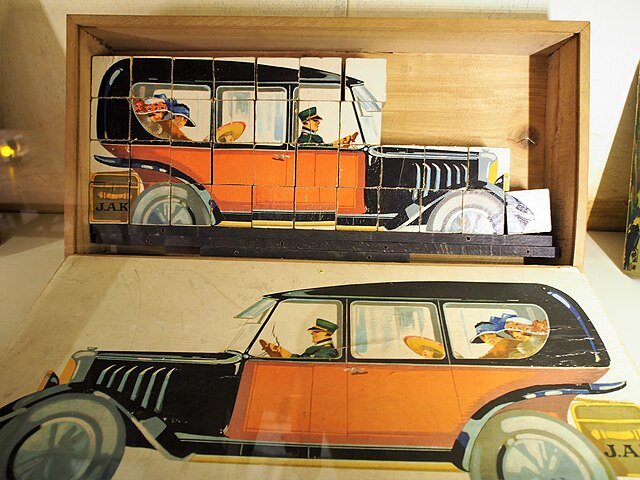
During the Depression, Par Puzzles emerged as a luxury brand, similar to the Rolls Royce. Founded by Frank Ware and John Henriques, Par offered customized puzzles to elites, perfecting techniques to make them more challenging. Even with rising costs, Par’s emphasis on quality and bespoke designs set them apart.
Post-World War II: The Decline and Revival of Wooden Puzzles
The post-World War II era saw a decline in the demand for wooden puzzles due to rising production costs and the improved quality of cardboard puzzles. Iconic brands like Parker Brothers gradually phased out their wooden puzzles. However, the passion for high-quality puzzles did not disappear. In the late 20th century, Stave Puzzles, founded by Steve Richardson and Dave Tibbetts, revived the tradition of luxury wooden puzzles. Stave's puzzles featured intricate designs, original artwork, and interactive elements, setting a new standard for puzzle craftsmanship.
Modern Innovations

The advancement of technology has further transformed the puzzle industry. Computer-cut wooden puzzles have allowed for even greater precision and complexity in designs. Contemporary puzzle makers continue to innovate, offering a wide range of options from traditional wooden puzzles to intricate custom designs. Today, puzzle enthusiasts can enjoy puzzles that cater to a variety of interests and skill levels, ensuring that the hobby remains as engaging and challenging as ever.
Conclusion
From hand-cut wooden masterpieces to high-tech, computer-designed challenges, puzzles have evolved significantly over the past century. Each era has brought new innovations and trends, reflecting the changing times while maintaining the core appeal of puzzle solving. Whether as a pastime, a social activity, or a collector's pursuit, puzzles continue to captivate and inspire people of all ages.