History of LEGO Company: From Wooden Toys to Global Phenomenon
Lego toys, made up of interlocking construction bricks, have been a staple in the world of play for seven decades. They invite both children and adults to explore their creativity through endless building possibilities. With each passing year, Lego has expanded its range, introducing new designs and special parts. These additions have enabled builders to bring their imaginative visions to life, whether they are creating original structures or assembling pre-designed sets.
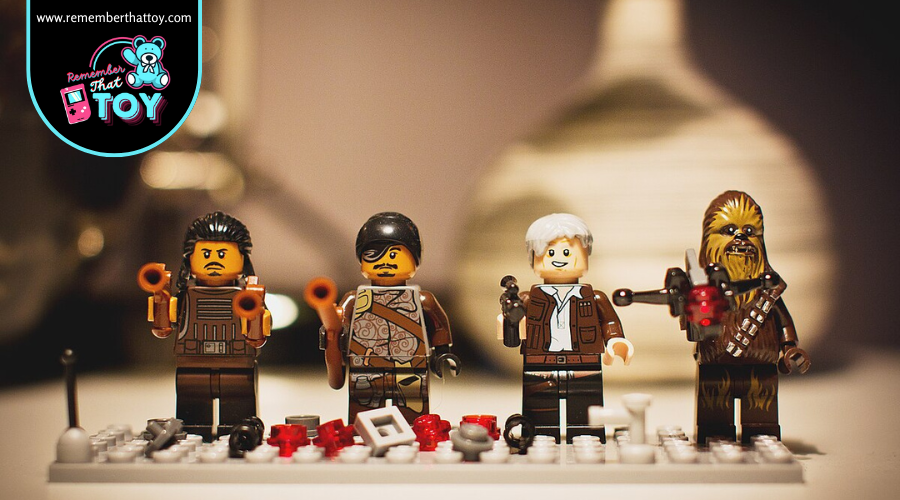
Incorporating mini figurines, Lego sets allow for the construction of elaborate scenes ranging from medieval castles and pirate ships to urban cityscapes and famous movie scenes from franchises like Star Wars, Harry Potter, and Spider-Man. This history highlights how Lego became a cherished toy across the globe, inspiring generations with its focus on fun, creativity, and educational value.
The History of Lego: The Beginning
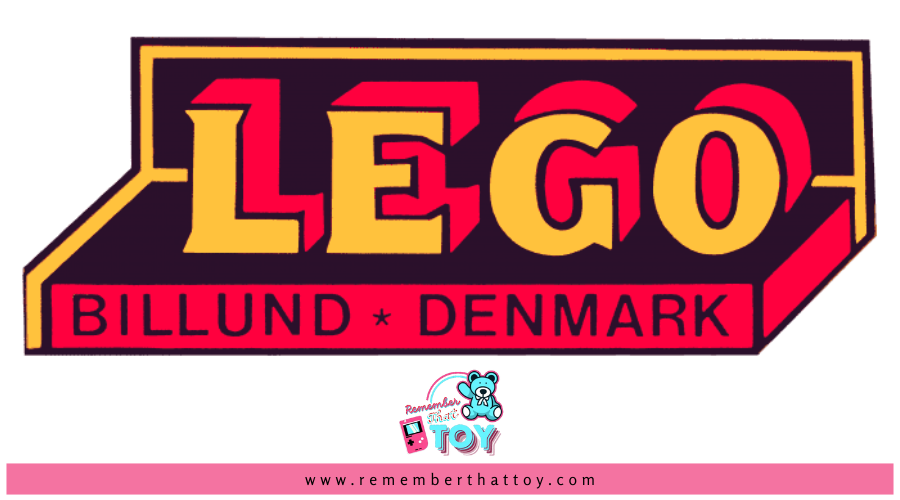
Lego's story begins in 1932 with Ole Kirk Christiansen, a carpenter from Billund, Denmark. He started crafting wooden toys and small household items like ironing boards and ladders. Times were tough, especially during the Great Depression, and Christiansen often had to trade toys for groceries. His son, Godtfred, joined him, and together they navigated these challenging years.
In 1934, Christiansen named his company "Lego," a combination of the Danish words leg godt, translating to "play well" in English. The name perfectly captured the company’s vision of producing toys that encouraged creativity and fun. After World War II, the company saw potential in using plastic for toy production.
In 1947, Christiansen bought a plastic injection molding machine, a pioneering move at the time. The same year, he discovered Kiddicraft Self-Locking Bricks, patented in 1939 by a British company. Inspired by these, Lego began making their own version known as "Automatic Binding Bricks." By 1953, they were renamed to "Lego Bricks," cementing the Lego product identity.
Get the latest articles delivered to your inbox
Plastic was a novel material in the toy industry at this point, and Lego faced resistance from consumers who preferred traditional wooden or metal toys. Nevertheless, Godtfred Christiansen remained committed to the plastic path.
In 1954, Godtfred saw the potential in creating a comprehensive system of play that revolved around these interlocking bricks. A year later, the company launched the "Town Plan" set, a precursor to future Lego themes. The set included a plastic mat with a printed design of streets where children could build Lego structures.
The original Lego bricks had some flaws, particularly in their interlocking ability. Continuous improvements were made to enhance their functionality. By 1958, the design evolved significantly, allowing for better stability and versatility in building.
When Ole Kirk Christiansen passed away in 1958, Godtfred took over the leadership of the company. Under his stewardship, Lego continued to innovate, setting the stage for becoming one of the world's most beloved toy brands.
Lego in the 1960s

During the 1960s, Lego saw significant growth in both its business and the variety of toys it offered. The decade marked a period of expansion with sales reaching the United States, facilitated by a licensing agreement with Samsonite, a prominent luggage manufacturer at the time.
Lego's development in this era was characterized by innovation and the introduction of dynamic new pieces. The Lego wheel, introduced in the 1960s, was a crucial addition, allowing for the creation of vehicles and other mobile structures. This innovation broadened the scope of play and encouraged more complex construction ideas.
Godtfred Kirk Christiansen outlined ten key principles for the toys they produced:
1. Unlimited play possibilities
2. Suitable for both girls and boys
3. Engaging for all ages
4. Year-round play
5. Stimulating and harmonious play
6. Endless hours of play
7. Imagination, creativity, development
8. More LEGO sets, multiplied play value
9. Always topical
10. Safety and quality
These principles ensured that Lego toys were continually appealing and safe for all users. In 1964, a significant change was made to the material of Lego bricks, switching from cellulose acetate to acrylonitrile butadiene styrene (ABS plastic). This material, known for its durability and safety, remains in use today.
1966 saw the launch of the Lego train system, further enhancing the play experiences offered by Lego sets. Two years later, the first Legoland theme park opened in Billund, Denmark. Spanning just three acres initially, the park expanded to over 24 acres in the following years, reflecting its tremendous success.
By 1968, Lego had sold over 18 million units, a testament to its growing popularity. In 1969, Lego introduced Duplo bricks, larger in size to accommodate younger children while still being compatible with standard Lego bricks. This innovation ensured that children of all ages could enjoy and build with Lego, fostering creativity from a young age.
Lego in the 1970s & 1980s
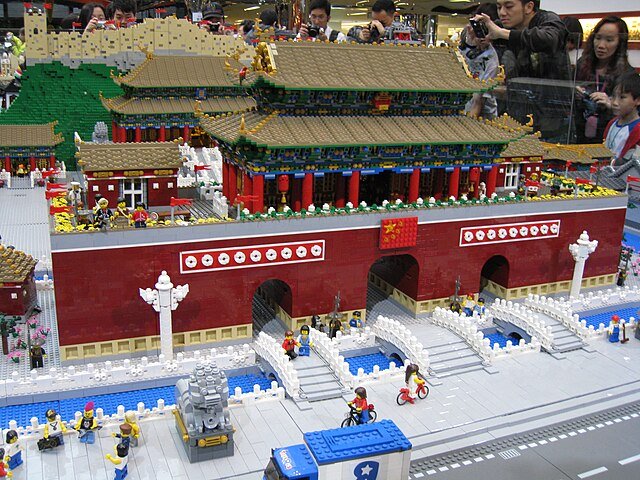
During the 1970s and 1980s, Lego saw significant growth and innovation. In 1974, Lego introduced its first human figures, which evolved into the iconic Lego Minifigure design by 1978. These figures added a new level of play and storytelling to the building sets.
In 1975, Lego launched more complex building sets aimed at older children, which eventually became known as Lego Technic. These sets included components such as axles, gears, levers, and universal joints, offering more mechanical and realistic builds.
Injection molding played a crucial role in Lego's manufacturing process during these decades. The introduction of plastic materials like cellulose acetate was significant, alongside advancements in plastic injection molding machines. These developments enabled the creation of pieces with precise fit and clutch power, characterized by the ability of Lego bricks to stick together firmly yet be easily detached.
The company also introduced Lego Duplo, a larger brick aimed at younger children, ensuring that even the smallest builders had appropriate tools for creative play. Furthermore, Lego expanded their Legoland theme parks, starting with the one in Billund, Denmark, and growing its footprint to entertain families worldwide.
Throughout the late 20th century, Lego created distinctive themes, each offering unique systems and stories. Key themes included Lego Space, Lego Castle, and Lego Town (later renamed Lego City). Another notable introduction was Lego FabuLand, aimed at younger children with its animal characters and simpler building elements.
In 1988, Lego introduced the Lego Pirates theme, featuring Minifigures with various facial expressions, from beards to eye patches, adding depth and personality to the characters.
Lego's production capabilities grew as well, with new facilities set up in South Korea, Malaysia, Brazil, and other countries. This expansion helped meet the increasing global demand for Lego products.
With these advancements, the 1970s and 1980s were transformative decades for Lego, solidifying its place as a leading toy manufacturer and a beloved brand across generations.
Lego Faces a Decline
During the 1990s and early 2000s, Lego experienced a noticeable drop in profits. A significant factor was a shift in design strategy. Many of the original designers were dismissed, replaced by younger "innovators" with limited experience in toy design. This change did not bode well for the company and led to a period of financial decline.
In 1998, Lego laid off 1,000 employees. The following year, the company began producing sets based on popular franchises like Star Wars and Harry Potter, along with Winnie the Pooh sets for Duplo. While these sets were initially popular, the high licensing fees made the products more expensive, deterring many long-time fans.
From 1999 to 2004, Lego faced numerous challenges. The company's financial health was in jeopardy, nearly leading to bankruptcy in 2004. At this critical juncture, Kjeld Kirk Kristiansen stepped down from the CEO position, making way for Jørgen Vig Knudstorp, the first non-family CEO. Under his leadership, recovery efforts began to stabilize the business.
The Recent History of Lego
Under the leadership of Jørgen Vig Knudstorp, Lego began to recover from previous challenges. A significant factor in this turnaround was the success of the Star Wars franchise, which helped boost sales significantly. Despite a global recession, licensed products allowed Lego to become profitable again. Additionally, embarking on ventures into video games and television series provided new avenues for growth. Themes like Lego Vikings and Lego Architecture also contributed to their renewed success.

In 2011, Lego introduced the Ninjago theme, which featured a fantasy world filled with ninjas. This theme was supported by accompanying video games and a television series, becoming one of Lego's most popular and enduring themes.
The company faced challenges in terms of public perception. Lego's collaboration with Royal Dutch Shell sparked a wave of protests, largely due to an increased awareness of environmental issues. Greenpeace ran a successful campaign, leading Lego to discontinue its partnership with Shell. Despite this setback, the company continued to thrive.
In 2014, Lego partnered with Warner Brothers to release The Lego Movie. This film was met with widespread acclaim and positive reviews, establishing Lego's presence in the film industry.
The year 2017 proved difficult, with a decrease in revenue and the need to cut jobs. Nevertheless, Lego managed a swift recovery. That same year, the company released The Lego Batman Movie and The Lego Ninjago Movie, further establishing its influence in popular culture.
Lego also focused on international expansion during this period. New factories were opened in Mexico, China, and Hungary, increasing their production capabilities.
The Lego Movie 2: The Second Part was released in 2019, continuing the success of its predecessor. The COVID-19 pandemic created an unexpected boost for Lego, as more people turned to home activities. By 2022, Lego reported a 27% rise in sales for the financial year. The company also announced plans to open a new manufacturing facility in Vietnam by 2023.
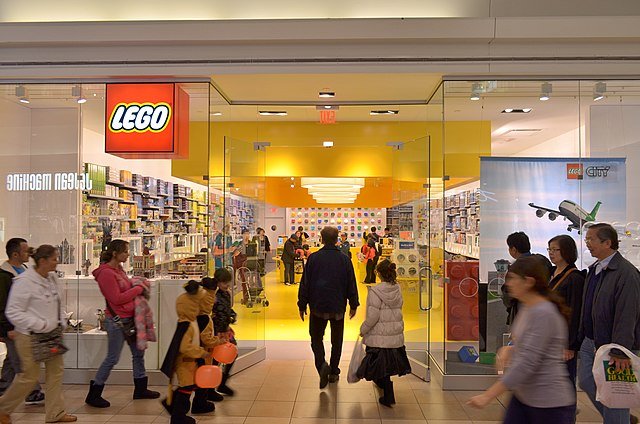
Today, Lego employs over 24,000 staff members and operates nearly 900 branded stores worldwide. Their market in China continues to expand rapidly.
A key element of Lego's success is its unique system. Each set is designed to work with others, allowing for endless creativity and construction possibilities. This ability to interchange pieces means collectors can continuously add to their collections, fostering a deeper engagement with the product.
Lego's innovation extends beyond traditional toys. They have ventured into areas such as robotics with Lego Mindstorms and have created video games like Lego Star Wars and Lego Harry Potter, further cementing their place in popular culture. The company has also built theme parks, including multiple Legoland parks, offering fans immersive experiences.
With a strong presence in entertainment and continuous innovation, Lego remains one of the most successful and beloved toy brands in the world.
Related posts