
Greaser Style and 50s Toys: A Nostalgic Look at Rockabilly Playtime
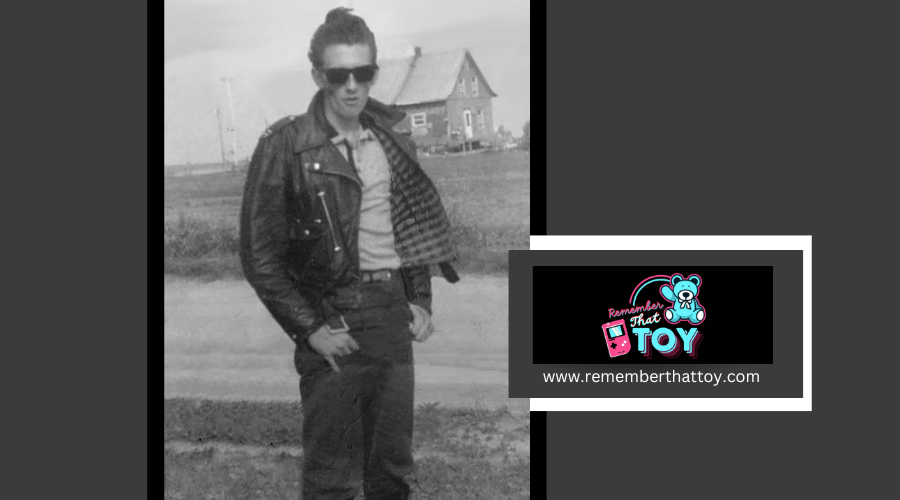
You've got a front-row seat to the enchanting blend of 1950s greaser style and toys, where rockabilly rebellion meets creative playtime. Picture sleek black leather jackets paired with cuffed jeans, slicked-back hair, and iconic toys like Barbie and Matchbox Cars.
This period was all about expressing individuality and embracing a cultural shift, while toys sparked imaginations. Craving more insights? There's plenty of intriguing details to uncover about this fascinating period's lasting influence.
Key Takeaways
- Greaser style featured iconic black leather jackets, high-cuffed jeans, and slicked-back hairstyles, embodying 1950s rebellious youth culture.
- Rockabilly music heavily influenced greaser fashion and attitudes, promoting a distinctive subculture that echoed through fashion and play.
- 1950s toys like Play-Doh and Matchbox Cars encouraged creativity and exploration, reflecting the era's innovative spirit.
- Nostalgia marketing revives 1950s greaser fashion, merging retro aesthetics with modern sensibilities for a timeless appeal.
- Social media and shows like *Stranger Things* reignite interest in greaser style, showcasing vintage looks and toys.
The Birth of the Greaser Subculture
Amid the economic disillusionment of post-WWII America, the greaser subculture emerged as a powerful expression of rebellion among working-class youth. You see, these young rebels channeled their suburban rebellion and urban identity into a form of youthful resistance against the conformist middle-class norms.
The greasers, primarily composed of ethnic urban youth like Italian Americans and Mexican Americans, accepted their role as cultural outsiders, driven by economic disillusionment and class struggle. Ethnic solidarity played a significant role in their identity, fostering a strong anti-mainstream ethos. They were often marginalized, but this only strengthened their resolve.
As a greaser, you'd challenge societal norms, welcoming a world where your urban roots and defiance became your badge of honor. The greaser subculture found parallels with other youth movements globally, such as Rockers in the UK and Nozem in the Netherlands, highlighting a widespread spirit of youthful rebellion.
Signature Greaser Fashion
Signature greaser fashion, with its iconic pieces and unmistakable attitude, defined a generation. You'd rock a classic black leather jacket, complete with metal zippers and studs, embodying the rebellious aesthetics of the time. Pair it with high-cuffed jeans or denim jackets for that perfect casual, working-class vibe.
Vintage accessories like chain wallets and aviator sunglasses add an edgy flair to your look, while bandanas and leather wristbands reinforce the tough-guy image. On your feet, you'd choose between the rugged durability of combat boots or the casual comfort of Converse Chuck Taylors. Don't forget the fitted white tees or flannel shirts for layering.
Each piece, from switchblade motifs to chain-link belts, contributes to the bold statement of greaser style. Rock and roll music, serving as the heartbeat of greaser culture, inspired these fashion choices and fostered a vibrant community among enthusiasts.
Hairstyles That Defined an Era
Step into the world of iconic 50s hairstyles that shaped a rebellious age. Greaser hairstyles, with their slicked-back allure, epitomized youthful defiance. You'd see pompadours and ducktails crafted with pomade, inspired by rockabilly influences and icons like Elvis and James Dean. These styles demanded precision, a comb always at the ready, and a touch of rebellion in your stride.
Women accepted rockabilly influences with victory rolls, pin curls, and bandanas, reflecting post-WWII optimism. Bright colors and daring micro bangs added flair to their look. Creating these styles involved teasing, curling, and strategic use of products like göt2b® and TRESemmé.
A high-shine hair pomade was essential for achieving the perfect slicked-back look, capturing the essence of a cultural marker of an age defined by change and individuality. Each hairstyle wasn't just about appearance—it was a statement, a cultural marker of an age defined by change and individuality.
Iconic 50s Toys for the Young and Young-at-Heart
After perfecting your pompadour or pin curls, it's time to welcome the playful spirit of the 1950s with toys that captured the imagination of both children and adults alike. Immerse yourself in creative playtime with vintage toys like Play-Doh and Colorforms, sparking endless artistic expression.
Relive the joy of iconic dolls with Barbie, a nostalgic collectible that became a timeless fashion icon. For those with a penchant for classic vehicles, Matchbox Cars offered miniature adventures on any surface.
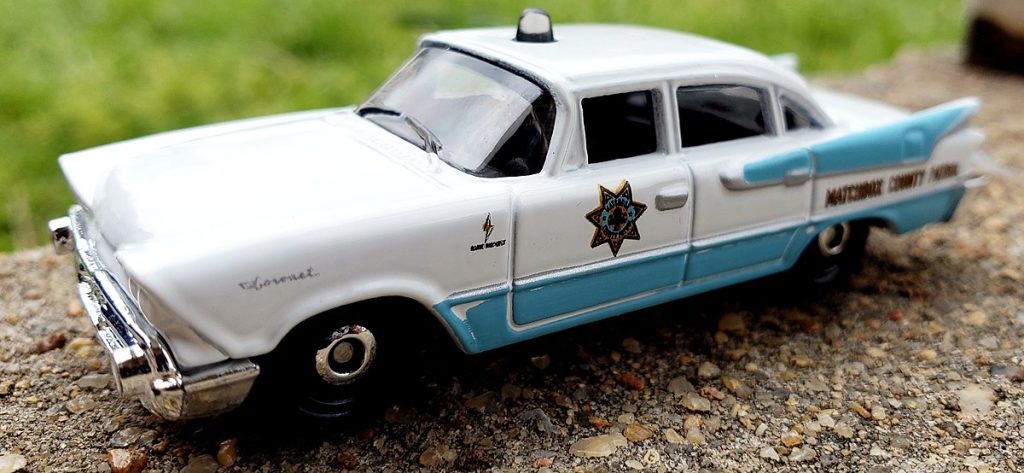
If you're drawn to the quirky, Mr. Potato Head was a fun, customizable character for all ages. These nostalgic toys weren't just playthings—they were gateways to creativity and imagination, embodying the lively energy of an epoch steeped in innovation and fun.
The introduction of the transistor radio in 1954 revolutionized personal music listening, allowing children to enjoy music on the go, which coincided with the rise of rock n roll and influenced a generation of young music fans. The commitment to high-quality craftsmanship was a defining characteristic of toys during this era, setting a standard for durability and creativity that still resonates today.
The Influence of Rockabilly Music
Though rooted in diverse musical traditions, rockabilly plunged onto the scene as an electrifying blend of country, blues, and R&B. You can thank this groundbreaking mix for sparking a musical evolution that reshaped the soundscape of the 1950s and beyond.
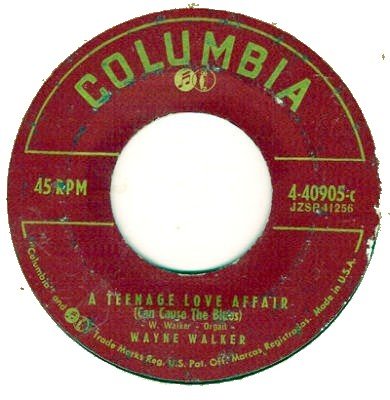
Rockabilly's influence transcended genres, merging African American rhythms with the white working-class musical heritage. When you listen to early recordings like Elvis Presley's, you can hear this dynamic fusion in action. Elvis Presley's 1954 recordings at Sun Records played a pivotal role in popularizing the genre, making him a central figure in rockabilly's rise to prominence.
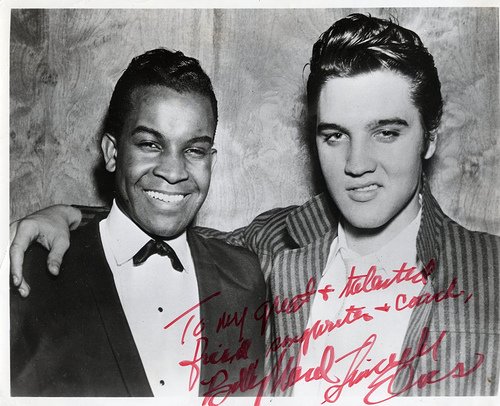
The rockabilly influence didn't just stop at music; it seeped into the cultural zeitgeist, impacting fashion, attitudes, and even toys. This genre's infectious rhythm and rebellious spirit invited everyone to welcome a new chapter of creativity. As you investigate the world of rockabilly, you'll uncover a transformative, enduring legacy.
Greaser Style in Hollywood Films
When greaser style hit Hollywood, it didn't just appear; it erupted onto the screen, enchanting audiences with its rebellious allure. It all began with Marlon Brando's portrayal of Johnny Strabler in "The Wild One" (1953), a cinematic representation of the greaser stereotypes that captured the essence of post-WWII disillusionment.
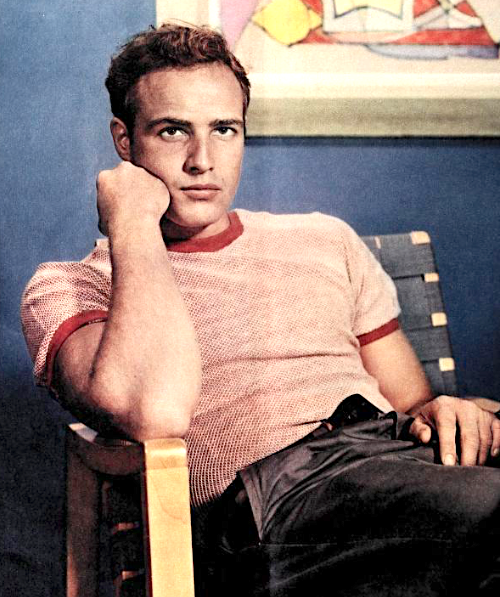
These films showcased working-class youth blending motorcycle culture with street gangs, as seen in gritty adaptations like "The Outsiders" (1983). Leather jackets were considered the epitome of greaser attire, and they were often prominently featured in these films, symbolizing the rebellious spirit of the characters.
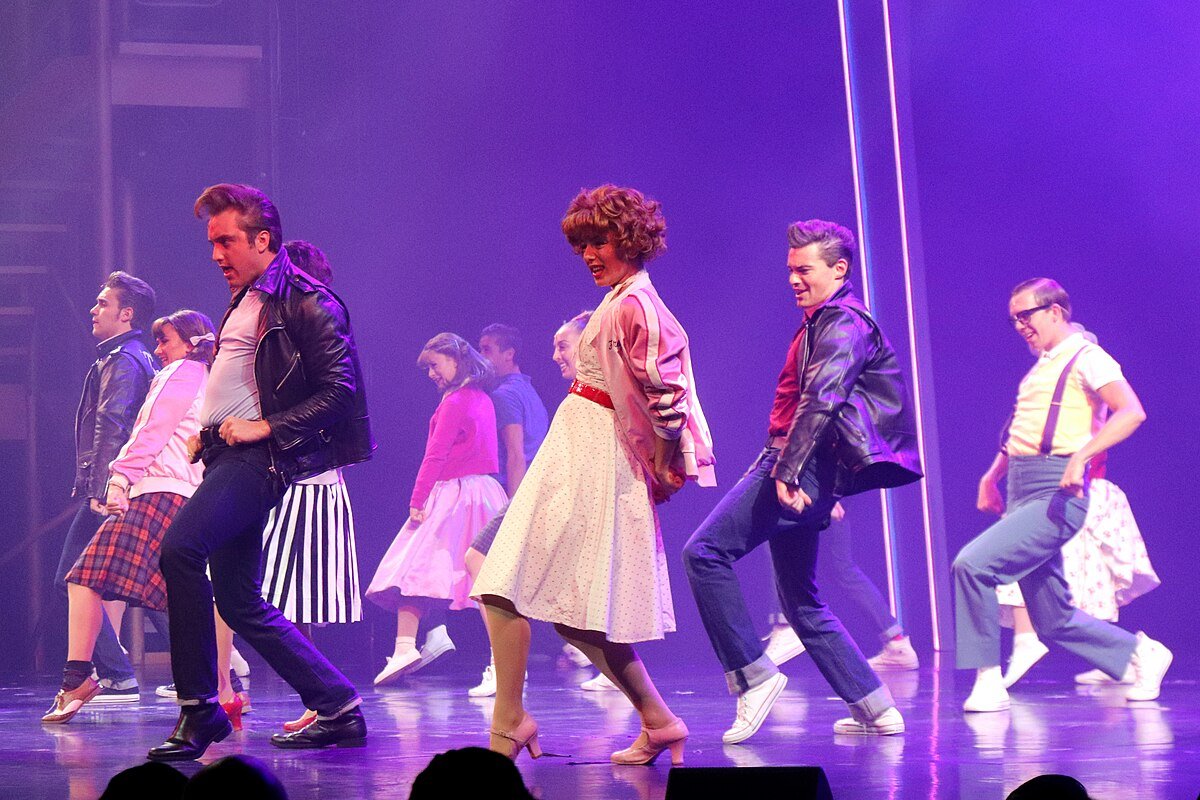
Image: Thank You (23 Millions+) views from Los Angeles, USA, Grease ~ Broadway Musical (46178051814), CC BY 2.0
While "Grease" (1978) romanticized greasers, it strayed from 1950s authenticity, unlike "American Graffiti" (1973) which highlighted greaser car culture. Characters like Fonzie from "Happy Days" also portrayed the aloof charm of greasers. Despite media misrepresentations, these films cemented the greaser as a cultural icon.
The Cultural Impact of 50s Playtime
In the 1950s, playtime was more than just a leisure activity; it was a reflection of the age's shifting cultural landscape. Economic prosperity and post-war family values led to the playtime evolution.
Suburban homes featured dedicated play spaces, and toys emphasized cooperation and community, underscoring their cultural significance. The demand for child-oriented products soared with the baby boom, marking a significant shift.
Toys like board games and model kits mirrored cultural dynamics, using TV shows and rockabilly music as influences. Barbie, a symbol of cultural adaptability, debuted during this era, challenging gender norms and reshaping perceptions of beauty and ambition.
Mass-produced plastics made toys more accessible. The advent of television captivated children's imaginations and played a pivotal role in shaping toy preferences, as children desired tangible connections to their favorite on-screen characters.
| Cultural Elements | Impact on Playtime |
|---|---|
| Suburban Home Design | Dedicated Play Spaces |
| Economic Prosperity | Increased Toy Purchase |
| Baby Boom | Higher Product Demand |
| TV & Music Influence | Toy Design Inspiration |
| Mass-Produced Plastics | Affordability of Toys |
A Revival of Nostalgia in Modern Times
As society leans into the allure of nostalgia, a revival of 1950s culture emerges with renewed vigor in modern times. Nostalgia marketing and retro aesthetics captivate you, offering a gateway to a bygone period. Here's how this revival manifests today:
- Fashion Revival: Retro fashion brands adopt the greaser style, featuring leather jackets and slicked-back hairstyles. The greaser subculture originated in the 1950s among working-class youth, characterized by their tough guy aesthetics and rebellious attitudes.
- Nostalgic Toys: Limited-edition retro toys, like anniversary Play-Doh and Hula Hoop, capture your interest. Cabbage Patch Kids, iconic in the 1980s, also see a resurgence in popularity due to their nostalgic appeal and unique designs.
- Media Influence: Shows like *Stranger Things* integrate greaser imagery, fueling your love for 1950s fashion.
- Social Media Trends: Platforms such as Instagram highlight greaser-inspired looks, encouraging you to investigate vintage styles.
This wave of nostalgia offers a blend of past charm and modern appeal.
Frequently Asked Questions
How Did Greaser Style Influence Global Fashion Trends?
You see greaser style's global impact through its significant role in fashion evolution. It transformed leather jackets and denim into universal symbols of rebellion and casual cool. By influencing Hollywood films, it spread worldwide, inspiring diverse cultures to adopt and adapt its elements.
You notice it in modern fashion, where retro detailing and rebellious motifs continue to inspire designers, proving that greaser style's influence is both enduring and transformative.
What Role Did Gender Play in the Greaser Subculture?
In the greaser subculture, gender roles were clearly defined, with male greasers embracing hyper-masculine traits through toughness and rebellion. Greaser women, while adopting similar aesthetics like leather jackets, often found empowerment in fashion rather than challenging gender norms outright.
They participated in group solidarity but remained in subordinate roles. Despite this, modern reinterpretations celebrate greaser women as symbols of empowerment, highlighting the fluidity and evolving nature of gender expressions today.
Were There Any Specific Greaser Hangout Spots in the 50S?
You're curious about greaser hangout spots in the 50s, right? Picture yourself at classic diner hangouts like Frank and Jean's Hoagie Shop in Philadelphia or Betty's 50's Diner in California. You'd also find yourself cruising to drive-in theaters, a staple for greasers to gather.
These spots weren't just places to eat or watch movies; they were lively social hubs where you could feel the pulse of the greaser culture.
How Did Greasers Maintain Their Hairstyles Without Modern Products?
You'd be surprised how greasers maintained their hairstyles without modern products. They got creative with pomade alternatives like petroleum jelly, motor oil, or lard for that classic high-shine look.
Hair maintenance involved regular trims and daily grooming habits. At night, you'd wrap your hair in a silk scarf to preserve the style. During the day, you'd use a pocket comb for touch-ups, making sure everything stayed slick and in place.
What Was the Relationship Between Greasers and Law Enforcement?
You see greasers as symbols of rebellion, and naturally, law enforcement wasn't too fond of them. The police responded with increased scrutiny and harsh tactics, often viewing greasers as troublemakers because of their non-conformist image.
There was a tense relationship; the greasers' rebellion against societal norms clashed with the law's desire for order. This dynamic led to frequent confrontations and a growing divide between these youth and the authorities.

.jpg)