G.I. Joe: The 1960s Action Figure That Started a Toy Revolution

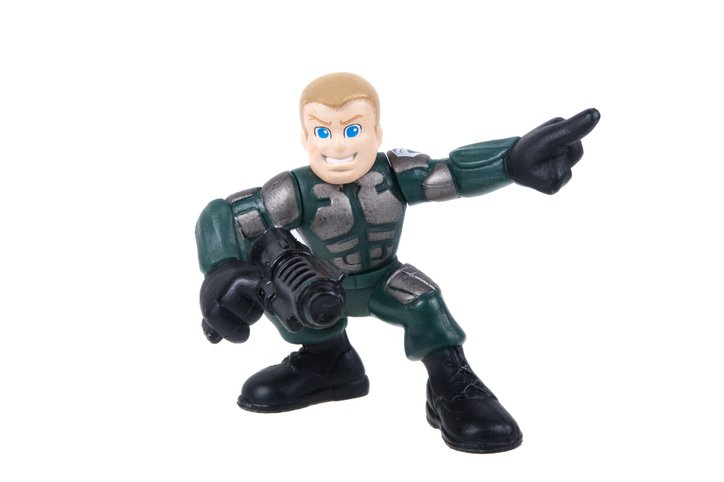
In 1964, a Hasbro team led by Don Levine created G.I. Joe, inspired by the success of Barbie and aimed at providing boys with a realistic play experience. This pioneering action figure stood 12 inches tall and featured 19 points of articulation, allowing for diverse posing possibilities. Marketed as 'America's Movable Fighting Man,' G.I. Joe was unprecedented in its offering, featuring a military theme that captivated young boys.
The designers meticulously crafted realistic uniforms and equipment for the Army, Navy, Air Force, and Marines. This attention to detail not only enhanced the toy's appeal but also fueled imaginative play, enabling the recreation of adventures inspired by real-life military scenarios. The term 'action figure' was even coined during G.I. Joe's marketing campaign, distinguishing it from traditional dolls and making it more attractive to boys.
Evolution of Action Figures
The evolution of action figures took a significant turn with the introduction of G.I. Joe, setting the stage for a diverse range of characters and themes that would captivate generations. Launched in 1964 by the American toy company Hasbro, G.I. Joe was the first action figure, featuring 19 points of articulation for realistic movement. Marketed as 'America's Movable Fighting Man,' the original G.I. Joe distinguished itself from traditional dolls, targeting boys and creating a new category of play.
In the 1980s, G.I. Joe evolved to a smaller 3.75-inch scale, aligning with the popularity of Star Wars action figures. This change enabled the production of more vehicles and accessories, allowing for expanded play scenarios. The design of G.I. Joe diversified, incorporating a wide range of characters and storylines that reflected societal changes beyond military themes.
The success of G.I. Joe in the 1980s set new standards in the toy industry, inspiring other franchises like Transformers and leading to the creation of countless new figures. Today, the legacy of G.I. Joe continues to influence the evolution of action figures, demonstrating the lasting impact of this iconic toy.
Cultural Impact and Influence
Marketed as 'America's Movable Fighting Man,' this iconic action figure captures the essence of American patriotism, resonating with both children and adults during a pivotal era in U.S. history. G.I. Joe emerged in 1964, embodying a national pride that aligned with the sentiments of the Cold War. This action figure not only represented military service but also became a symbol of heroism and bravery.
The cultural impact of G.I. Joe can be highlighted through three key aspects:
- Diverse Character Lineup: G.I. Joe featured a range of military roles, promoting inclusivity and relatability.
- Teamwork and Values: The series emphasized the importance of teamwork, showcasing how collaboration leads to success in overcoming challenges.
- Cultural Icon: Despite facing criticism, G.I. Joe successfully adapted its narrative to focus on adventure, further embedding itself in American culture.
Through these elements, G.I. Joe solidified its status as a symbol of American patriotism, inspiring generations and playing a significant role in the toy revolution that shaped childhood experiences during a period marked by military tension and evolving national identity.
Challenges and Backlash
Despite its initial success as a symbol of patriotism, G.I. Joe faced significant challenges during the Vietnam War, leading to a reevaluation of its military-themed marketing. The cultural backlash against military-themed toys prompted parents to question the appropriateness of allowing their children to play with soldier figures. This criticism caused a decline in G.I. Joe's popularity, necessitating a brand adaptation.
In response, the 1970s saw G.I. Joe shift focus away from military themes, rebranding as The Adventures of G.I. Joe and introducing the Adventure Team concept. This change aimed to align with societal shifts and distance the brand from growing anti-war sentiment. However, G.I. Joe made a strong comeback in the 1980s, coinciding with a resurgence in American patriotism and increased demand for military toys, resulting in a 350% increase in sales from 1982 to 1985.
The introduction of diverse characters, including the first African-American G.I. Joe figure, addressed calls for representation during the Civil Rights Movement. Ultimately, G.I. Joe's legacy sparked ongoing debates about the impact of militarization on childhood play and influenced perceptions of soldiers and heroism in American culture.

G.I. Joe in Pop Culture
Since its debut in 1964, the G.I. Joe action figure has become a cultural icon, symbolizing American patriotism and shaping the portrayal of soldiers across various media. Its influence is pervasive, making G.I. Joe a household name recognized by multiple generations.
Here are three key ways G.I. Joe has impacted pop culture:
- Animated Series: The successful animated series from 1985 to 1991 introduced memorable characters and engaging storylines, captivating the imaginations of both children and adults.
- Comic Books: Starting in 1967, Marvel Comics expanded G.I. Joe's narrative depth through complex and compelling tales, contributing to the franchise's enduring popularity.
- Film Adaptations: Beginning with 'G.I. Joe: The Rise of Cobra' in 2009, live-action films revitalized the franchise, bringing G.I. Joe into contemporary relevance while honoring its history.
The G.I. Joe action figures have not only entertained but also mirrored cultural values, making them a significant part of our collective memory and toy history.
Marketing Strategies and Success
G.I. Joe altered toy marketing in the 1960s through innovative television commercials targeting young boys, significantly boosting brand visibility and sales. This approach not only coined the term 'action figure' but also distinguished G.I. Joe from traditional dolls, giving it a competitive edge in the toy market.
To maximize impact, the marketing team implemented several key strategies:
- Targeted Advertising: Commercials depicted G.I. Joe in thrilling adventures, resonating with boys' imaginations and interests.
- Cross-Promotions: Partnerships with comic books and animated series enriched G.I. Joe's narrative, making the action figure more relatable and engaging.
- Military Authenticity: The focus on realistic military themes aligned with the patriotic sentiments of the 1960s, appealing to both children and their parents.
These pioneering advertising techniques not only increased G.I. Joe's brand visibility but also established a lasting legacy in the toy industry, setting a precedent for future marketing strategies that emphasize targeted engagement and storytelling.
Targeted Audience Engagement
By branding G.I. Joe as 'America's Movable Fighting Man,' the product was positioned as an action figure rather than a doll, directly appealing to boys. This marketing strategy, which introduced the term 'action figure,' provided a competitive edge in the toy market.
Innovative television commercials showcased G.I. Joe in action, enhancing brand recognition. The ads highlighted diverse character lineups, featuring military and civilian roles, fostering strong fan loyalty. By presenting various personas, G.I. Joe allowed boys to envision themselves in multiple scenarios, increasing their engagement with the product.
This targeted approach led to impressive sales, with G.I. Joe accounting for two-thirds of Hasbro's profits by 1966. The combination of focused marketing, engaging advertising, and a varied character lineup ensured G.I. Joe's dominance in the toy market. These strategies made G.I. Joe a beloved household staple and a significant figure in toy history.
Little Known Facts
Little-known facts about the iconic action figure G.I. Joe reveal intriguing insights into its design and marketing strategies. Often hailed as the original action figure, G.I. Joe was a groundbreaking toy that set the stage for future toy lines. Here are three fascinating points:
- Scar for Uniqueness: Hasbro added a small scar to G.I. Joe figures to ensure copyright uniqueness in a saturated market.
- Creative Design: The original G.I. Joe figures featured 19 points of articulation, enhancing realism and playability, and setting a new standard for action figures.
- Targeted Marketing: The marketing team coined the term 'action figure' to appeal to boys, positioning G.I. Joe as a rugged alternative to traditional dolls.
Despite its initial military focus, G.I. Joe's popularity waned during the Vietnam War, leading to a shift in themes toward wilderness survival and adventure. Collectors now seek rare figures like the 1982 Straight Arm Cobra Commander and the 1983 Doc due to their limited availability and historical significance. G.I. Joe's unique personalities and creative design continue to resonate with fans across generations, solidifying its place in toy history.
International Variants and Licensing
The global appeal of G.I. Joe led to numerous international variations and licensing strategies tailored to meet the preferences of different markets. By adapting the brand for distinct audiences, G.I. Joe expanded its global reach and established a strong brand presence. Each variant not only reflected local tastes but also showcased the adaptability of the franchise.
Notable international variants include:
| Country | Variant Name |
|---|---|
| United Kingdom | Action Man |
| Germany | Action Team |
| Spain | Geyperman |
| France | Action Joe |
| Brazil | Falcon |
These adaptations highlight the diverse branding strategies employed to resonate with fans worldwide. In Japan, G.I. Joe figures were produced by Takara and Tsukuda, while in Mexico, they were marketed as Hombres de Acción. Each licensing deal contributed greatly to G.I. Joe's influence in multiple cultures, ensuring that the action figure remained relevant and beloved across the globe.
Collectible Lines and Trends
Collectible lines and trends in the G.I. Joe universe have evolved significantly, catering to both nostalgic fans and new collectors. The rich history of G.I. Joe has given rise to diverse collections that celebrate military themes while appealing to various collector interests. Here are three notable lines to consider:
- Classic Collection (1995-2004): This line focused on realistic military themes, featuring figures like the Navajo Code Talker, which attracted historical collectors.
- Masterpiece Collection (1996-2003): Capitalizing on nostalgia, this collection showcased original G.I. Joe figures and exclusive sets, making it essential for dedicated fans.
- Super7: Since 2021, Super7 has introduced their ReAction and Ultimates lines, emphasizing nostalgia and offering both high-detail figures and classic designs to please all fans.
Additionally, Sideshow Collectibles has been creating high-detail G.I. Joe figures since 2009, enhancing display options for adult collectors. With each new release, these collectible lines continue to honor the legacy of G.I. Joe while keeping the spirit of the Real American Hero alive. Whether you're a long-time fan or just starting, there's something for everyone.
Conclusion
G.I. Joe isn't just a toy; it's a cultural icon that transformed the world of play. Its innovative design and enduring influence have left an indelible mark on generations. G.I. Joe's adventures have been depicted in films and comics, capturing imaginations worldwide.