Frisbee: The 1950s Toy That Took Flight
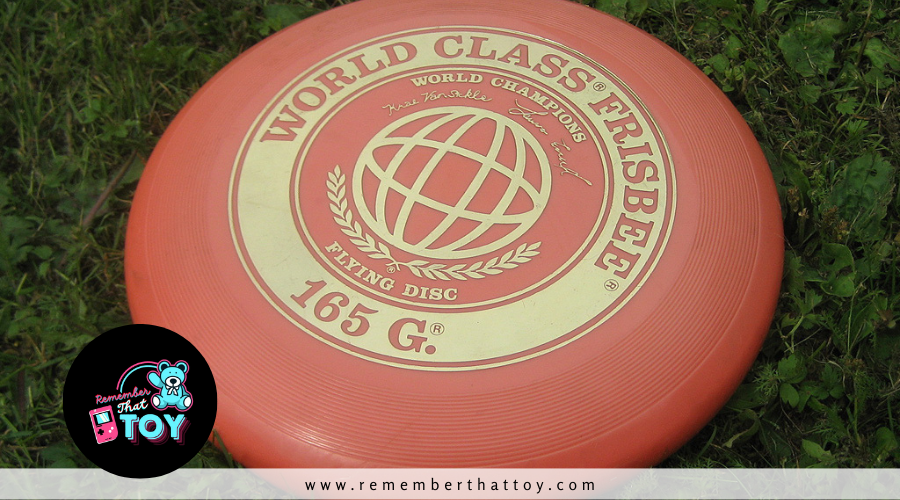
You might think of the Frisbee as just a simple toy, but its evolution from a cake pan toss to a cultural phenomenon in the 1950s reveals much more. When Walter Morrison teamed up with Wham-O, they didn't just create a new product; they tapped into a burgeoning sense of leisure and social interaction. Investigating the origins and impact of this flying disc reveals its intersection with broader trends in play, innovation, and competition that shaped an entire generation. What else might you uncover?
Origins of the Frisbee
The origins of the Frisbee date back to the late 1930s when Walter Morrison and his partner Lucile began tossing a cake pan, inspiring the idea of a flying disc. This playful act sparked creativity that led to the development of the Frisbee. Morrison, later known as Fred Morrison, refined the concept into a prototype called the Pluto Platter, which capitalized on the UFO craze of the 1950s and captured the public's imagination.
In 1958, the name 'Frisbee' was adopted, inspired by the Frisbie Pie Company, whose pie tins were often thrown around college campuses. This association linked the flying disc with fun and leisure activities, enhancing its popularity. Initially, sales were modest, but as more people discovered the joy of tossing the Frisbee, it became an American cultural icon by the 1960s. By the late 1950s, millions of units had been sold, paving the way for Frisbee-related sports and competitions.
From a simple cake pan to a beloved pastime, the Frisbee's evolution highlights how a playful moment can turn into a lasting tradition.
Fred Morrison's Innovations
Fred Morrison's innovations transformed the simple act of tossing a cake pan into the design of a flying disc that would capture the hearts of millions. In 1937, he began experimenting with flying discs, laying the groundwork for his revolutionary concept. By 1955, Morrison partnered with Wham-O, selling them a prototype known as the Pluto Platter. This disc was launched in 1957, coinciding with the UFO craze, which helped it gain instant popularity.
In 1958, the name 'Frisbee' was adopted, inspired by the Frisbie Pie Company, which marked a significant turning point for Morrison's invention. His cutting-edge design featured a more aerodynamic shape, improving the Frisbee's flight capabilities and making it easier to toss and catch. This practical improvement contributed greatly to the Frisbee's appeal and success.
Morrison's entrepreneurial spirit and persistence paid off; over two million units of the Frisbee were sold in its early years. His work didn't just create a toy; it established a cultural icon that continues to be enjoyed by people of all generations today. Morrison's vision turned flying discs into a beloved pastime, forever changing the landscape of outdoor recreation.
Wham-O's Marketing Strategies
Wham-O effectively captivated children by showcasing their toys through direct demonstrations, generating immediate excitement around products like the Frisbee. By allowing kids to experience these toys firsthand at playgrounds, Wham-O successfully spurred enthusiasm and demand. One of their standout marketing strategies was giving away free Hula Hoops, which astonishingly led to 25 million sales within just four months of its launch.
Moreover, Wham-O adeptly leveraged cultural trends, introducing the Frisbee during the 1950s UFO craze. Initially called the Pluto Platter, the toy was rebranded as the Frisbee to align with its burgeoning popularity. Wham-O's strategy involved maintaining a dynamic product line of 8-12 affordable toys, enabling them to swiftly adapt to evolving consumer preferences.
Strategic partnerships were also crucial to Wham-O's success. A notable agreement with ICM in 2011 for media representation significantly enhanced their visibility and market reach, effectively promoting their iconic toys. Through these innovative marketing strategies, Wham-O not only won the hearts of children but also cemented its legacy in the toy industry, making the Frisbee a household name.
Cultural Impact of Frisbee
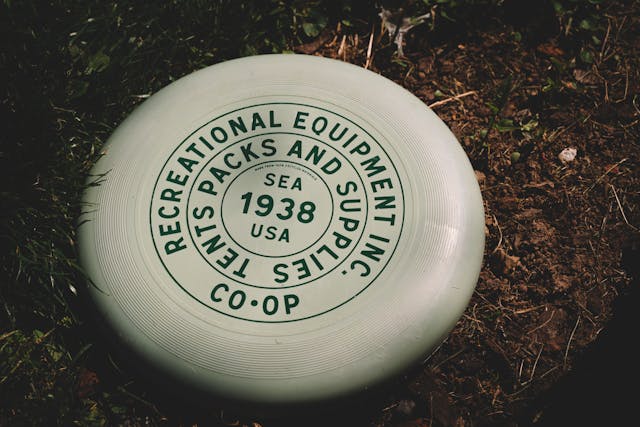
The Frisbee is more than just a toy; it has become a cultural icon symbolizing leisure and outdoor play. It fosters community engagement by encouraging outdoor activities and bringing people together. Its influence extends beyond backyards, making it a staple in social interactions and recreational sports.
Leisure and Recreation Symbol
The Frisbee has become an iconic symbol of leisure and recreation, epitomizing the joy of outdoor play and social interaction in American culture. Since its debut in 1957, it has evolved from a simple toy to a lifestyle emblem. With over 100 million units sold within two years, the Frisbee quickly captivated those seeking fun and active ways to enjoy their free time.
Its design and marketing fostered creativity and engagement, appealing to a wide range of demographics. Whether tossed in the park, at the beach, or in the backyard, the Frisbee encourages togetherness, spontaneity, and a carefree spirit, making it a fixture at social gatherings. Its impact extends beyond casual play, inspiring the creation of disc sports like Ultimate Frisbee and Disc Golf, further embedding it into recreational culture.
In 1998, the Frisbee was inducted into the National Toy Hall of Fame, cementing its status as a significant symbol of leisure and recreation. So, the next time you throw a Frisbee, remember that you're partaking in a rich tradition that celebrates outdoor fun and community bonding.
Influence on Outdoor Activities
During the 1960s and 1970s, outdoor activities flourished as the Frisbee became a popular catalyst for social interaction and active play. This Wham-O toy quickly became a staple in parks and backyards, encouraging families and friends to engage in outdoor activities. In Southern California, the Frisbee culture blossomed, becoming a symbol of the laid-back lifestyle that defined the region.
As Frisbees gained popularity, organized sports like ultimate frisbee and disc golf emerged, expanding the scope of flying disc activities. These games fostered teamwork and camaraderie, attracting participants of all ages. The simple act of tossing a Frisbee evolved into a community-building activity, with tournaments and casual matches appearing nationwide.
The cultural impact of the Frisbee is significant; it transformed how people viewed recreation. By promoting active lifestyles, it helped shift leisure activities from sedentary pastimes to dynamic social experiences. Ultimately, the Frisbee became more than just a toy; it ignited a movement that celebrated outdoor fun and connection, laying the groundwork for the vibrant outdoor culture we enjoy today.
Community and Social Engagement
Emerging from the vibrant outdoor culture of the 1970s, the Frisbee became a catalyst for community and social engagement, bringing people together in parks, beaches, and college campuses. Its role in social gatherings was significant, as Frisbees became essential for picnics and beach outings. These simple discs fostered connections, encouraging recreational play among friends and strangers alike.
The rise of competitive formats like Ultimate Frisbee and Disc Golf transformed casual play into organized events, creating communities and clubs focused on teamwork and camaraderie. Participants found themselves connecting with others who shared their passion for the sport, forming friendships that often extended beyond the playing fields.
Frisbee culture has also promoted physical activity and outdoor play, leading to the development of dedicated recreational fields and parks. The sense of belonging within these communities reinforces the importance of social interaction, making Frisbee not just a game but a crucial aspect of American leisure. Its induction into the National Toy Hall of Fame in 1998 underscores its lasting impact on social dynamics and community spirit.
Disc Sports and Competitions
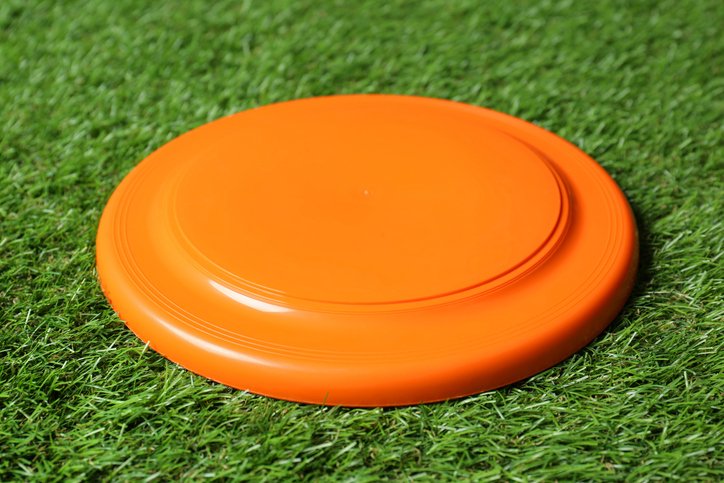
When you think about disc sports today, you can't ignore how Ultimate Frisbee has evolved since its late 1960s origins, bringing teams together in a thrilling game of strategy and skill. You'll also uncover the fascinating roots of Disc Golf, which transformed from 'Tin Lid Golf' into a standardized sport in the 1970s. Both of these activities showcase the versatility and excitement that a simple flying disc can inspire.
Ultimate Frisbee Evolution
Ultimate Frisbee has matured into a widely recognized competitive sport with a rich history, attracting players worldwide to participate in various leagues and tournaments. Conceived in the late 1960s by Joel Silver and Jared Kass, Ultimate Frisbee quickly garnered attention, leading to the establishment of the Ultimate Players Association in the 1970s. The first official tournament, the Canadian Open Frisbee Championships in 1972, marked a significant milestone in the sport's competitive landscape.
The primary objective of Ultimate Frisbee is straightforward: advance the disc and score by passing it to a teammate in the end zone. Players are prohibited from running while holding the disc, which underscores the importance of teamwork and strategy. The sport also upholds the 'Spirit of the Game,' promoting self-officiation and mutual respect among players.
Key milestones in the evolution of Ultimate Frisbee:
| Year | Milestone | Contribution |
|---|---|---|
| Late 1960s | Creation by Joel Silver and Jared Kass | Origin of Ultimate Frisbee |
| 1972 | First Official Tournament | Canadian Open Frisbee Championships |
| 1980s-Present | Global Expansion | Formation of Leagues and International Competitions |
The evolution of Ultimate Frisbee underscores its enduring popularity and the competitive spirit that continues to drive the sport forward.
Disc Golf Origins
After examining the competitive landscape of Ultimate Frisbee, it's intriguing to delve into the evolution of disc sports with the origins of disc golf. This sport traces its roots back to 1926 with a game called Tin Lid Golf in Saskatchewan, Canada, where players aimed flying discs at various targets, setting the stage for what would later become disc golf.
The formal structure of disc golf took shape in 1976 when Ed Headrick introduced pole holes as standardized targets, leading to the first organized disc golf tournament in 1979. This event marked a significant milestone in the sport's competitive history. To promote and regulate the sport, the Professional Disc Golf Association (PDGA) was founded the same year, establishing rules and standards for fair play.
Today, disc golf has gained immense popularity, with over 8,000 courses worldwide and millions of dedicated players. Thanks to the efforts of the PDGA, competitions are held globally, fostering a vibrant community around this dynamic sport. Whether you're an experienced player or a beginner, disc golf offers numerous opportunities for enjoyment and competition.
Design and Functionality
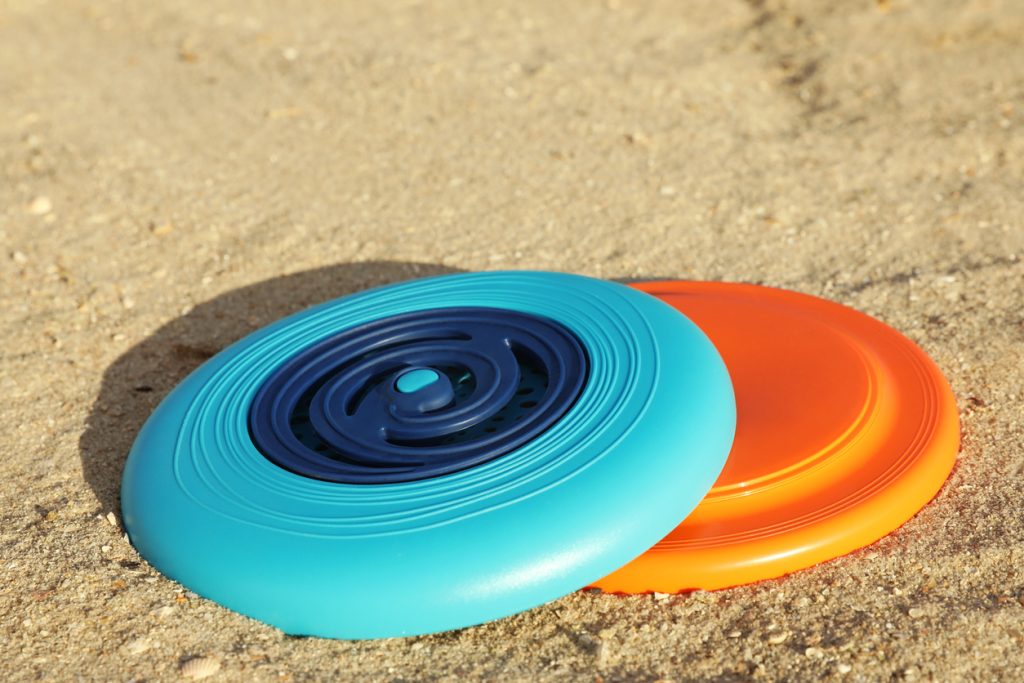
The Frisbee's design incorporates an aerodynamic airfoil shape and a pronounced lip, enhancing both lift and distance, making it a versatile toy for various activities. Key features of the Frisbee contribute to its functionality in numerous sports and recreational settings. Notably, elements like Ed Headrick's raised ridges improve performance and flight stability.
- Standard diameter ranges from 20 to 25 cm (8 to 10 inches).
- The pronounced lip enhances aerodynamic performance.
- Spinning generates a stabilizing gyroscopic force.
- Specific designs cater to different sports, such as disc golf and ultimate Frisbee.
- Diverse materials are used, enhancing functionality for various activities.
When thrown, the Frisbee's spinning motion helps maintain its trajectory, reducing wobbling during flight. This ensures more consistent throws, whether for casual play or aiming for distance. The thoughtful design elements contribute to both fun and skill development, making it suitable for beginners and experienced players alike. Whether in a park or on a beach, the Frisbee's design and functionality offer hours of enjoyment.
Legacy of the Frisbee
With its innovative design and broad appeal, the Frisbee has left a lasting legacy in recreational and sports culture. Introduced by Wham-O in 1957, the Frisbee quickly became a cultural icon, selling over 100 million units within a few years. Fred Morrison, its inventor, transitioned from a carpenter to a millionaire, exemplifying entrepreneurial success.
In 1964, Ed Headrick enhanced the Frisbee's design by adding raised ridges to improve flight stability. This innovation not only solidified its role in leisure activities but also laid the groundwork for competitive sports such as Ultimate Frisbee and Disc Golf.
The Frisbee was inducted into the National Toy Hall of Fame in 1998, highlighting its enduring impact on American culture and childhood. Today, it continues to promote community engagement and outdoor activities, encouraging people of all ages to connect through play. Beyond being just a toy, the Frisbee symbolizes fun, friendship, and the joy of outdoor activity.
The Evolution of Flying Discs
As Frisbee enthusiasts embraced the toy, its design and purpose evolved, giving rise to various flying discs used in sports and recreation today. Fred Morrison's vision for the Pluto Platter, sold to Wham-O in 1957, laid the groundwork for this evolution. The name 'Frisbee' emerged in 1958, and Ed Headrick's 1964 innovation of raised ridges improved the Frisbee's aerodynamics, making it more stable and enjoyable to throw.
By the late 1970s, the Frisbee transitioned from a simple toy to a competitive sport, marked by the first organized Frisbee competition. Today, flying discs have diversified, each type serving unique purposes in both leisure and sport:
- Frisbee Golf: Combines precision and skill in a disc-based twist on traditional golf.
- Ultimate Frisbee: A team sport emphasizing athleticism and strategy.
- Freestyle Frisbee: An artistic display of tricks and stunts.
- Dog Frisbee: Engages pets in active and playful interaction.
- Aerodynamic Innovations: Continuous improvements in design for enhanced performance.
The evolution of the flying disc reflects changing recreational trends and unites diverse communities through shared enjoyment.
Conclusion
In conclusion, the Frisbee is more than just a toy; it's a cultural icon symbolizing fun and social connection. Originating from a simple cake pan toss, its evolution into a beloved pastime illustrates the impact of creativity and effective marketing. Whether enjoyed casually in the park or as part of competitive disc sports, the Frisbee continues to unite people. So, grab a Frisbee, head outside, and experience its timeless joy!