Forgotten 90s Educational Toys That Were Ahead of Their Time
The 1990s were full of flashy toys and pop culture icons, but tucked between the action figures and virtual pets were some truly clever educational toys—many of which were way ahead of their time. These forgotten gems blended fun with learning, using early tech, interactive features, and creative design to teach everything from math to music.
While they may not have the same fame as Furbies or Game Boys, these toys laid the groundwork for the edutainment trend we see today. In this article, we’re revisiting the overlooked educational toys of the ‘90s that were smarter than we gave them credit for—and still deserve a little recognition.
| Toy | Category | Skills or Lessons Taught |
|---|---|---|
| Speak & Spell | Language Development / Digital Interaction | Spelling, phonetics, vocabulary, typing basics |
| Alphie Robot | Language Development | Word patterns, phonetics, memory games |
| Lego Mindstorms | STEM / Life Skills | Robotics, basic programming, problem-solving |
| Tamagotchi | Life Skills / Digital Literacy / Storytelling | Responsibility, cause-effect, digital pet care, narrative building |
| Commodore 64 | STEM | Basic coding, computing skills |
| Tomy Tutor | STEM | Computing fundamentals |
| ZX Spectrum | STEM | Early coding and computer literacy |
| Lights Alive | STEM | Electronics and design basics |
| Spirograph | Creative Expression / Math | Pattern recognition, spatial awareness, design |
| Play-Doh Sets | Creative Expression / Social Skills | Sculpting, teamwork, storytelling |
| Polly Pocket | Creative Expression | Storytelling, identity exploration |
| Floam | Creative Expression | Tactile learning, adaptability, coordination |
| Easy-Bake Oven | Culinary Skills | Cooking basics, responsibility, creativity |
| Interactive Play Food / Wooden Kitchens | Household Skills | Meal prep, coordination, practical skills |
| Pokémon Trading Cards | Social Skills | Strategy, negotiation, economic thinking |
| Secret Samurai | Social Skills | Teamwork, strategic planning |
| Care Bears Action Team | Social/Emotional Learning | Empathy, cooperation, role-play |
| Magna Doodle | Creative Expression / Life Skills | Drawing, trial and error, self-guided learning |
| LeapPad | Storytelling / Literacy | Reading, vocabulary, narrative comprehension |
| Crocodile Dentist | Imaginative Play | Role-playing, risk assessment |
| Furby | Digital Interaction | Language acquisition, cause-effect, sensory learning |
| 2-XL | Digital Learning | Q&A trivia, interactive learning |
| Talk ‘n Play | Digital Learning | Audio-based quizzes and interaction |
| Operation | Motor Skills | Precision, patience, fine motor development |
| Skip-It | Fitness / Life Skills | Physical activity, coordination, perseverance |
| Stretch Armstrong | Material Manipulation | Elasticity, resilience, physical science |
| Gooey Louie | Material Manipulation | Cause-effect, simple mechanics |
| Transformers | Mechanical Skills | Assembly/disassembly, interlocking systems |
| Clackers | Physics Concepts | Momentum, impact, kinetic energy |
Key Takeaways
- Tamagotchis taught digital responsibility and cause-effect relationships through virtual pet care, laying groundwork for digital literacy.
- Speak & Spell enhanced phonetic awareness and vocabulary acquisition with its speech synthesis technology.
- Lego Mindstorms introduced kids to basic programming and robotics, fostering early technical skills.
- Spirograph combined art and math lessons, enhancing spatial awareness and creativity through gear-driven designs.
- Commodore 64 familiarized children with basic coding and computing, influencing early programming skills.
Voice and Language Development
View this post on Instagram
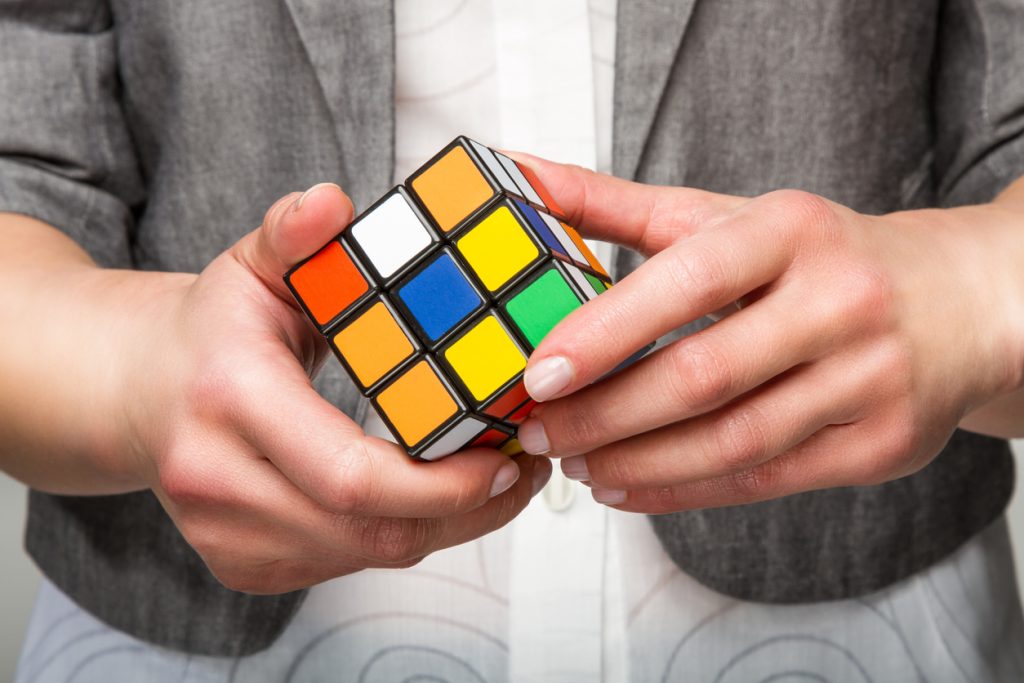
While the 90s might seem like a distant memory, the educational toys from that period hold a significant place in language development. You'd find toys like Speak & Read and Alphie robot fostering phonetic awareness through engaging activities. These toys cleverly used games like Memory and Hangman to teach word patterns, prefixes, and suffixes. They provided interactive storytelling experiences that captivated young minds, disguising learning as playtime fun. With high initial engagement, these toys competed well against modern counterparts by offering decision-making opportunities that honed problem-solving skills. Marketed as multi-subject tools, they seamlessly integrated learning across different language aspects. Such toys were crucial in making language learning a dynamic and enjoyable experience for children enthusiastic to investigate the world of words. Additionally, speech synthesis technology in toys like Speak & Spell introduced children to lifelike speech, enhancing their pronunciation and vocabulary acquisition. As language development toys fueled curiosity about words, the 90s also sparked interest in STEM and engineering through groundbreaking educational tools. Toys like the Tomy Tutor Play Computer and the Commodore 64 introduced you to basic coding and computing, setting the stage for today's tech-savvy world. Though from the 80s, their influence persisted into the 90s, fostering early skills in programming and understanding physics principles. These toys offered a playful approach to robotic exploration and tech learning. The Rubik's Cube also played a significant role, challenging problem-solving skills and spatial reasoning, which are essential components of STEM education. LEGO's commitment to merging play with learning further enhanced educational experiences by integrating technology with traditional building. Here's a glimpse of how these toys contributed to learning: These toys were the precursors to modern STEM education. The 90s ignited a surge in creative expression through groundbreaking art and design toys that empowered children to investigate their imaginations. Play-Doh sets like the McDonald's Happy Meal Playshops and Fuzzy Pumper Barber Shop combined role-play with artistic freedom, letting kids sculpt their ideas into reality. Play-Doh's non-toxic formulation ensured a safe and enjoyable experience, allowing children to explore their creativity without concern. Spirograph's gear-driven designs introduced playful innovation by merging art with stealth math lessons, enhancing spatial awareness and pattern recognition. Polly Pocket encouraged storytelling and identity examination through customizable environments and outfits, promoting artistic freedom. Floam offered tactile creativity, challenging kids with its unique texture, fostering adaptability and hand-eye coordination. These toys nurtured creativity, allowing kids to delve into limitless possibilities in art and design, often without even realizing they were learning. The introduction of rollercoaster tycoon, a world-building game, further expanded design interest by teaching children about design consequences and user experience while allowing them to create theme parks. Even though the 90s are long gone, the educational toys from that period still resonate regarding teaching life skills and responsibility. Remember Tamagotchis? These digital pets taught you digital responsibility by requiring regular care, feeding, and attention. Neglecting them led to virtual consequences, emphasizing accountability. Tamagotchi Connection Series evolved over time, incorporating new gameplay mechanics and technological advancements that kept the experience engaging and educational. Magna Doodle offered a platform for adaptive learning, where you could practice drawing, erase mistakes, and try again, fostering self-guided learning and problem-solving. Lego Mindstorms introduced you to basic programming and robotics, enhancing your technical skills and cognitive development. Meanwhile, toys like Skip It encouraged physical activity and perseverance, teaching you to overcome challenges. These toys weren't just playthings; they were tools that helped shape critical life skills, preparing you for future responsibilities. While 90s educational toys shaped life skills, they also fostered community and social skills in unique ways. Through community collaboration, children learned to navigate teamwork dynamics, enhancing their ability to work together. Tamagotchi pets introduced shared responsibilities, encouraging you to discuss strategies with peers. Pokémon trading cards created collaborative playground economies, emphasizing strategic trading. Play-Doh playsets promoted group creativity, requiring teamwork in sculpting activities. The Secret Samurai board game demanded coordinated planning, making team success a priority. Role-playing games like Care Bears Action Team adventures instilled empathy and problem-solving by assigning roles in community-based challenges. The Skip-It toy brought kids together on the playground for exciting competitions, as they counted their skips and compared scores. Additionally, toys like the Nintendo DS introduced a new era of portable gaming, allowing children to engage in multiplayer activities and further develop their social skills through shared gaming experiences. Tamagotchis and Pokémon cards taught teamwork and strategy, while Play-Doh and Care Bears fostered creativity and empathy. Educational toys in the 90s cleverly incorporated culinary and household skills into play. These toys sparked culinary creativity and household maintenance skills in children. The Easy-Bake Oven, with its safe designs, and play kitchens with plastic food, allowed kids to engage in cooking and meal preparation safely. The interactive play food, using Velcro, helped develop hand-eye coordination. Wooden kitchen mechanics with realistic knobs offered practice in household tasks. Toys like these taught kids to appreciate gastronomy and etiquette through meal presentation. Step-by-step guides mirrored adult recipes, fostering responsibility. The popularity of toys like Cabbage Patch Kids highlighted the importance of emotional connections in children's play experiences, as these connections often drive the demand for nostalgic collectibles and influence consumer behavior. Exploring 90s educational toys reveals a fascinating change from tangible skills to digital interaction fundamentals. These toys laid the groundwork for digital literacy by introducing kids to early interaction design concepts. Tamagotchis modeled digital responsibility, teaching cause-effect with virtual pets. Speak & Spell familiarized children with typing basics, emphasizing error correction. Furby's sensor-driven "learning" showcased adaptive interaction, shifting from Furbish to English. Many toys from this era, such as Speak & Spell, held nostalgic appeal despite being less exciting than others, highlighting the long-lasting impact they had on childhood learning experiences. Digital toys from this period offered unique experiences: Tamagotchis and Speak & Spell pioneered digital literacy, teaching cause-effect and typing basics to children in the 90s. Operation, a game involving precision and patience, contributed to educational tools by enhancing fine motor skills, similar to the digital toys of the era. These toys built foundational skills in a digitally evolving world. Mechanical and material manipulation in 90s educational toys provided a hands-on approach to learning fundamental physics concepts. Toys like Stretch Armstrong demonstrated elasticity and stress distribution using its rubbery material properties. You could stretch it and see how it returned to form, teaching resilience and flexibility. Skip-It introduced rotational dynamics, allowing you to experience centrifugal forces firsthand as it spun around your ankle. Transformers showcased material interlocking, where you learned how different parts fit together through mechanical manipulation to change forms. Gooey Louie used simple lever systems when you pulled a "booger" and his brain popped, illustrating cause-effect mechanics. Meanwhile, Clackers provided a thrilling demonstration of momentum and impact, as their rapid collisions revealed kinetic energy at play. Much like the Super Soaker encouraged outdoor play, these toys promoted active engagement and discovery. Purdue University engineers have curated a guide since 2015 that selects expert-tested STEM toys to promote skill-building in science, technology, engineering, and math. Even in the domain of imaginative play and storytelling, the 90s offered a cache of educational toys that sparked creativity and narrative skills. Toys from this time period were unique in how they allowed you to construct imaginative narratives and engage in role-playing scenarios. They nurtured your storytelling prowess and creativity. These toys inspired creative storytelling by encouraging children to craft narratives and engage in dynamic play. Educational toys are specifically designed to educate, distinguishing between incidental educational value and intentional design, and these 90s toys were no exception in promoting intellectual development. Here are some notable toys that made waves: The 90s toys were a playground for storytelling, sparking creative narratives and role-playing adventures. You're wondering about popular 90s toys that taught geography or history, right? GeoSafari was a great hit, offering interactive learning with world map activities and history puzzles. Investigate World Map Adventures or immerse yourself in History Puzzles with their engaging cards. Another option was the electronic learning aids that brought geography to life with fun facts. These toys weren't just entertaining; they made learning about the world an exciting adventure for kids. You're wondering if any 90s toys focused on environmental education or recycling, right? Absolutely! Eco-conscious toys like the Pollution/Solution and Save the World games made learning about the environment fun. Recycling games were incorporated into toys like the G.I. Joe Eco-Warrior series, which battled pollution. Even Care Bears featured recycling themes. Captain Planet action figures, made from recycled plastic, also encouraged eco-friendly play. These toys were pioneers in raising environmental awareness. You might remember some 90s toys designed for learning musical instruments. These included musical instrument kits and rhythm learning games that were popular back then. CAP Toys released the Screamin' Rock Guitar and Heavy Metal Guitar, which let you experiment with sounds and adjust pitches. Such toys helped you develop a sense of rhythm and musical creativity, making the learning process interactive and fun. They were definitely unique educational tools of their time. You're curious about how 90s toys incorporated early computer programming skills. Look at robotics kits like Lego Mindstorms, which let you build and program robots, fostering hands-on learning. Coding games like the VTech Power Pad introduced BASIC programming, teaching you to write simple code. These toys made learning interactive and fun, encouraging creativity and problem-solving. They paved the way for tech-savvy skills you'd harness today. You're exploring if 90s toys promoted fitness or physical health education. Check out Skip-It for active play, as it got kids moving with ankle swings, combining fun with exercise. Moon Shoes offered a bouncy fitness game that encouraged jumping, though a bit risky. The "Get In Shape Girl" set by Hasbro inspired physical activity with aerobics equipment. These toys cleverly mixed play with fitness, encouraging kids to stay active.STEM and Engineering
Toy Skills Developed Tomy Tutor Basic Computing Commodore 64 Programming ZX Spectrum Early Coding Lights Alive Introduction to Electronics Creative Expression
Life Skills and Responsibility
Community and Social Skills
Culinary and Household Skills
Toy Name Skill Developed Easy-Bake Oven Culinary creativity Play Kitchens Household maintenance Interactive Play Food Hand-eye coordination Wooden Kitchen Practical household skills Digital Interaction Basics
Mechanical and Material Manipulation
Imaginative Play and Storytelling
Frequently Asked Questions
What Were Some Popular 90S Toys That Taught Geography or History?
Did Any 90S Toys Focus on Environmental Education or Recycling?
Were There 90S Toys Specifically Designed for Learning Musical Instruments?
How Did 90S Toys Incorporate Early Computer Programming Skills?
Were There Any 90S Toys Promoting Fitness or Physical Health Education?