Forgotten 70s Learning Toys That Shaped a Generation

The 1970s were a golden era for creativity—not just in music and fashion, but also in how kids learned and played. Long before tablets and digital classrooms, learning often happened on the living room floor, guided by colorful, hands-on toys designed to spark curiosity and build critical thinking.
From talking robots and phonics games to science kits and math puzzles, these toys did more than entertain—they laid the foundation for a lifetime of learning. In this article, we’re taking a nostalgic look back at the forgotten educational toys of the '70s that helped shape a generation of thinkers, tinkerers, and trailblazers.
Key Takeaways
- Super Spirograph encouraged artistic expression and understanding of geometry through intricate designs.
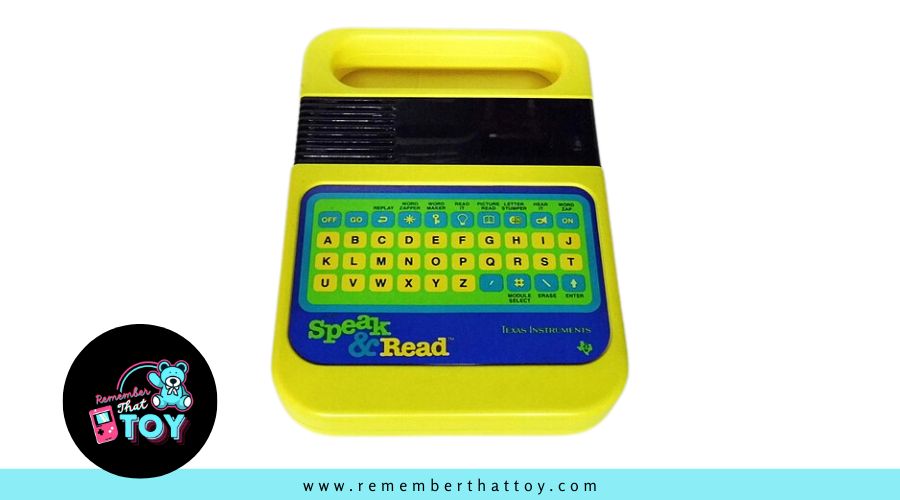
- Speak & Spell revolutionized language learning with interactive technology-driven exercises.
- Construct-O-Straws introduced early engineering concepts through hands-on building activities.
- Radio Shack Science Fair kits made learning basic electronics accessible for children.
- View-Master provided immersive storytelling experiences through 3D visuals.
Art and Creative Expression Toys
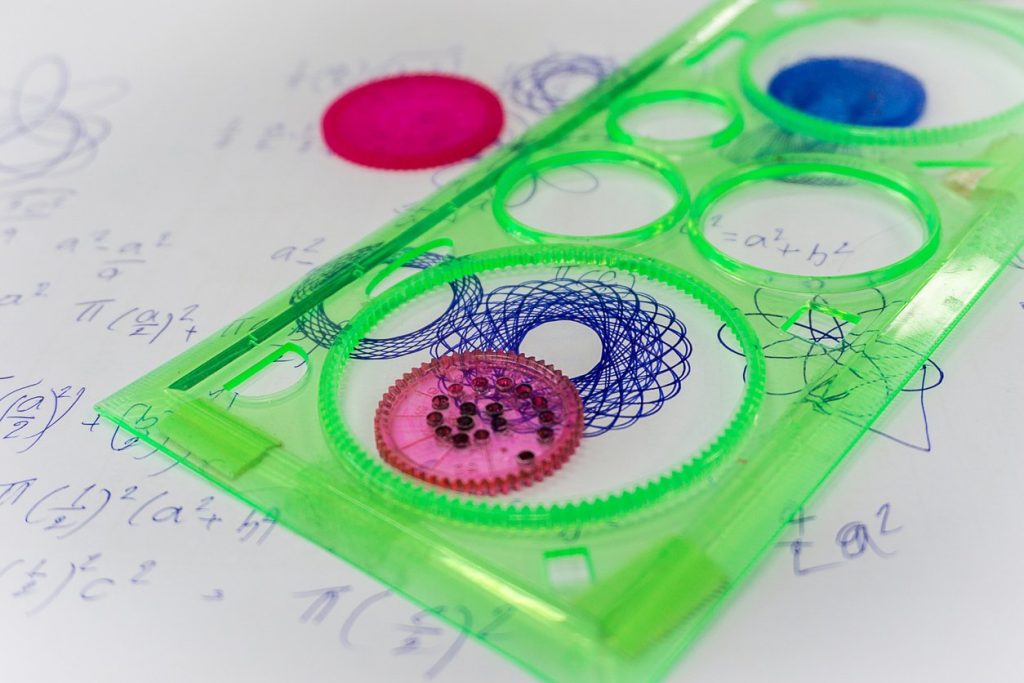
When it comes to art and creative expression in the 1970s, few toys stand out like the Super Spirograph. Although first released in 1965, it found its true popularity in the '70s, becoming a must-have for kids eager to explore design and creativity. With its intricate gears, colorful pens, and limitless combinations, the Super Spirograph offered more than just fun—it was a hands-on lesson in geometry, symmetry, and spatial awareness.
Children could spend hours crafting swirling, detailed patterns that felt both artistic and mathematical. Each creation was a one-of-a-kind masterpiece that sparked both imagination and pride. Beyond inspiring creativity, the Super Spirograph subtly taught important concepts like repetition, pattern recognition, and precision, while also helping to build fine motor skills and hand-eye coordination.
It wasn’t just a toy—it was a tool that let kids blend logic with art, proving that learning could be both visual and fun. For many, it was their first step into a lifelong love of design, math, or even engineering.
Cognitive and Memory-Enhancing Toys
View this post on Instagram
After exploring the imaginative world of art and creative expression toys like the Super Spirograph, let's shift our focus to the 70s period of cognitive and memory-enhancing toys that shaped young minds.
In this time, video games began their expedition into homes with Atari's groundbreaking consoles. These video games introduced challenges, logic puzzles, and problem-solving, engaging you in active cognitive participation.
Electronic toys also made a significant impact. The Speak & Spell, launched by Texas Instruments in 1978, transformed learning through interactive spelling and language exercises. These cutting-edge toys provided a foundation for enhancing memory and cognitive skills, marking a crucial shift in how children engaged with educational play during the 70s.
The introduction of board games during the 1960s also set a precedent for family engagement and social interaction, further influencing the development of cognitive skills in subsequent decades. Interactive learning through games like Mystery Word and Secret Code was encouraged, fostering a love for learning that went beyond traditional methods.
Early STEM Education Toys
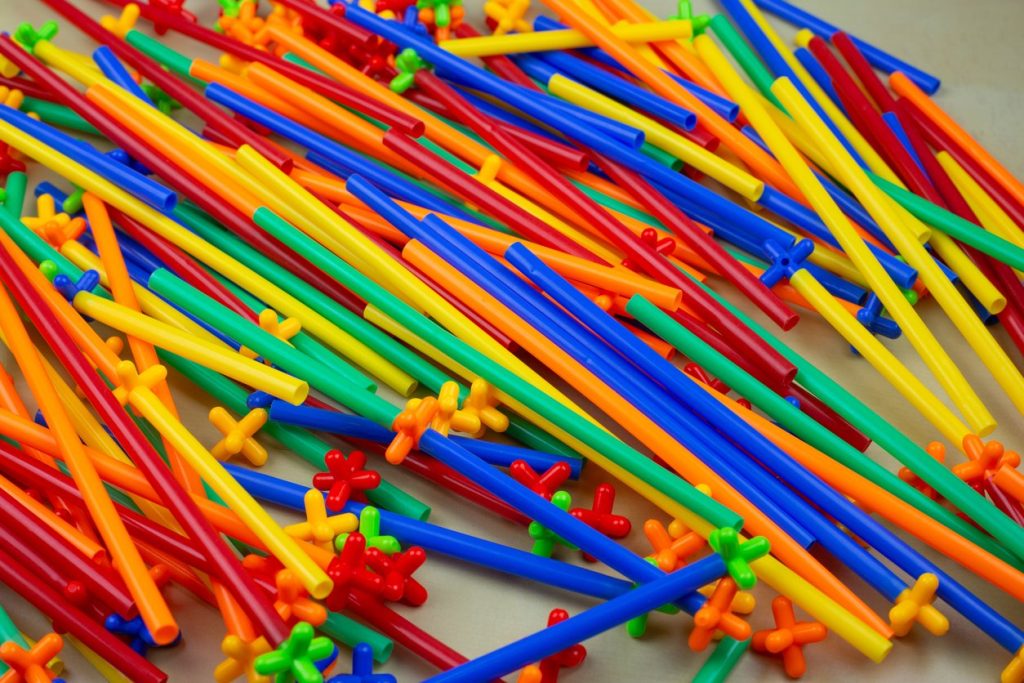
The 1970s ushered in a new period of early STEM education toys that sparked curiosity and innovation among young minds. Toys like the Construct-O-Straws captured the essence of engineering, allowing you to build structures and understand design principles.
Early robotics entered the scene with kits that let you assemble simple moving models, laying the groundwork for future robotic enthusiasts. Basic electronics became accessible through products like the Radio Shack Science Fair kits, which let you investigate circuitry with hands-on experiments.
The iconic Speak & Spell introduced you to technology-driven learning by combining language skills with an electronic interface. These toys were foundational in introducing complex concepts in a playful, engaging manner that fostered a lifelong love for STEM.
Many of these toys promoted skill development, enhancing fine motor skills and problem-solving abilities, which contributed significantly to cognitive development in children. The introduction of electronic components in toys during this era, such as in Meccano sets, further enriched engineering play and learning experiences.
Visual Learning and Exploration Tools
As the 1970s continued to revolutionize learning through play, a new wave of toys emerged that captivated young minds with visual learning and exploration. You could immerse yourself in sensory play with the Kaleidoscope, marveling at its ever-changing colors and patterns.
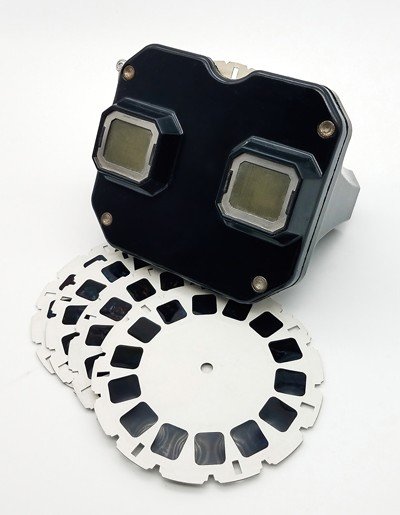
Imaginative storytelling flourished with the View-Master, as each click transported you to new worlds. Visual creativity was sparked by the Super Spirograph, where geometric art came alive on paper. LiteBrite offered color exploration, letting you design glowing masterpieces.
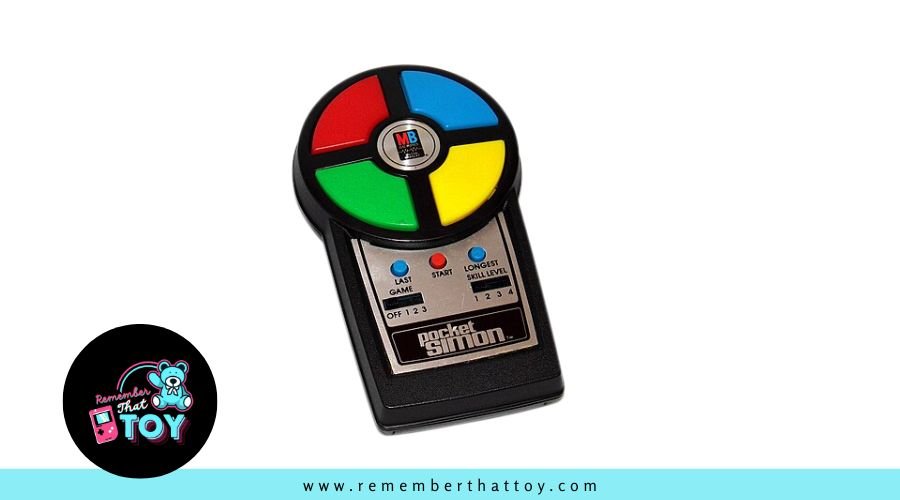
The Simon Game from 1978 also contributed to this era, enhancing pattern recognition and concentration skills through its engaging sequences of lights and sounds. The vibrant design of Simon captivated players of all ages, making it a staple in many households. Pattern exploration was a delight, as you crafted intricate designs using these tools.
Here's a quick look at these iconic toys:
| Toy | Feature | Learning Aspect |
|---|---|---|
| Kaleidoscope | Colorful Patterns | Sensory Play |
| View-Master | 3D Storytelling | Imaginative Storytelling |
| Super Spirograph | Geometric Art | Visual Creativity |
Motor Skills and Hand-Eye Coordination Toys
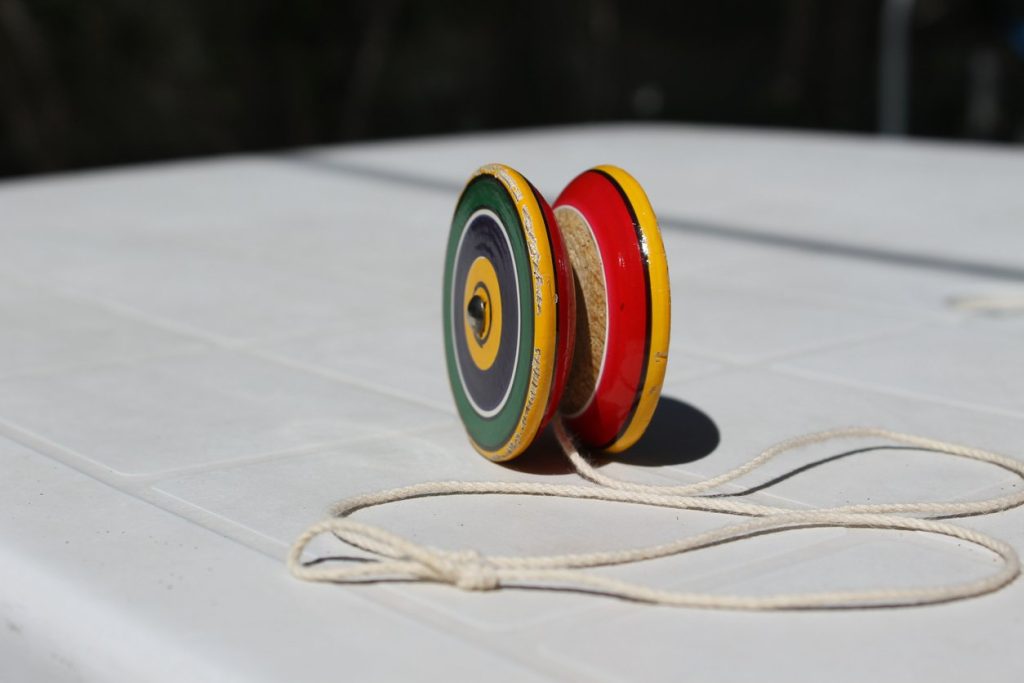
Exploration of motor skills and hand-eye coordination toys from the 1970s reveals a cache of engaging playthings that shaped a generation. You'd find classic construction toys like the Duncan Yo-Yo, which encouraged tricks to develop motor skills and coordination. These classic toys required precision and timing, enhancing dexterity through playful competition.
Manipulative playthings such as the Perfection board game challenged you to fit shapes quickly, refining both speed and accuracy. Hungry Hungry Hippos taught rapid reflexes and hand-eye coordination by requiring quick marble-grabbing action.
The Lifesaver Puzzle game pushed you to insert tiny objects, improving finger dexterity. Each of these toys provided a fun yet educational experience, fostering crucial skills through engaging play that captivated 70s children and beyond.
Barrel of Monkeys, released in 1965, also played a significant role in developing hand-eye coordination through its simple yet engaging gameplay. Additionally, lacing toys similar to those by HABA were designed to engage young minds, enhancing dexterity and hand-eye coordination through interactive play.
Frequently Asked Questions
What Were Popular Outdoor Learning Toys From the 1970S?
When thinking about popular outdoor learning toys from the 1970s, you can't overlook the fun of a Frisbee. It boosted your hand-eye coordination and teamwork. Jump rope was another staple, letting you improve your rhythm and physical fitness while having a blast with friends. Both toys made outdoor play engaging and educational, combining exercise with significant skill development in a delightful way.
How Did 1970S Toys Influence Social Skills Development?
1970s toys played an essential role in shaping social skills. They encouraged role-playing scenarios and cooperative play, helping you develop teamwork and communication. When you engaged with others, regardless of whether through board games or Lego sets, you learned to share, negotiate, and collaborate.
Toys like Star Wars Action Figures let you create stories together, while games like Simon fostered shared problem-solving, enhancing your ability to interact and connect with peers.
Which 1970S Toys Were Used in Educational Settings?
1970s toys like the Super Spirograph and Speak & Spell were essential learning tools in educational settings. Teachers often used these in classroom activities to make lessons engaging. Super Spirograph taught math and creativity, while Speak & Spell improved language skills. SRA Cards offered self-guided learning, and Systems 80 provided interactive quizzes, making learning both interactive and fun for students.
Were There Any 1970S Toys That Taught Music or Sound Recognition?
1970s toys taught music and sound recognition. The Fisher Price Record Player offered music education by allowing kids to investigate sound through safe vinyl playback. With its simplicity and portability, children could engage in sound investigation anywhere. The Fisher Price Music Box also played a role, letting kids manipulate sound and light for a hands-on learning experience. These toys made music education accessible and fun.
How Did Safety Standards for Toys Change During the 1970S?
During the 1970s, safety standards for toys underwent significant changes. There's the introduction of stricter safety regulations that expanded to include electrical, mechanical, and thermal risks. The CPSC's authority led to swift toy recalls, removing over 1,500 unsafe items.
Manufacturers adopted a shared responsibility model, enhancing safety through self-certification. These developments reflected a growing emphasis on protecting children from potential hazards while prompting innovation in toy design.