Famous Toys That Defined the 20th Century: Icons of Play and Innovation
Throughout the 20th century and beyond, toys have left a lasting impact on children worldwide. These playthings often reflected the societal values and technological advancements of their times, while also playing a role in shaping the imaginations and aspirations of young minds. From simple wooden toys to complex, interactive gadgets, each era produced iconic items that became symbols of childhood for generations.
Key figures and moments, such as the creations inspired by Frank Lloyd Wright and his son John Lloyd Wright, or the emergence of toys like the Slinky and My Little Pony, marked significant shifts in the toy industry. They influenced not just the children who played with them but also broader trends in advertising and supply-demand dynamics. Major historical events like World Wars I and II also affected toy production and popularity, with post-war periods seeing a resurgence of creativity and innovation in toys.
1. Marbles: Famous Toys for Over a Century
The timeless appeal of marbles has kept them in play for generations. The familiar glass spheres we know today began being mass-produced in 1903 by M.F. Christensen & Son Co. This company continued operations until 1917. Afterwards, Akro Agate picked up the mantle and kept marbles rolling into the hands of eager players.
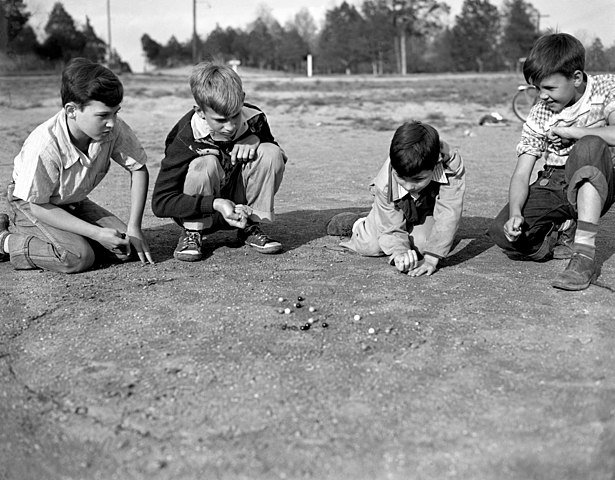
Throughout the 20th century and into today, marbles have been a staple in playgrounds and schools. Children and adults alike have cherished the game. In 1932, various county competitions were merged to form the British Marble Championships. This event became the British and World Marbles Championship in 1938. In recent years, German and English teams have excelled in this tournament.
More than just a game, marbles have also become a collector's item. With countless designs and rare patterns, each marble is unique. Thousands of enthusiasts around the world collect these beautiful and varied toys, appreciating both their aesthetic and nostalgic value.
2. Teddy Bears
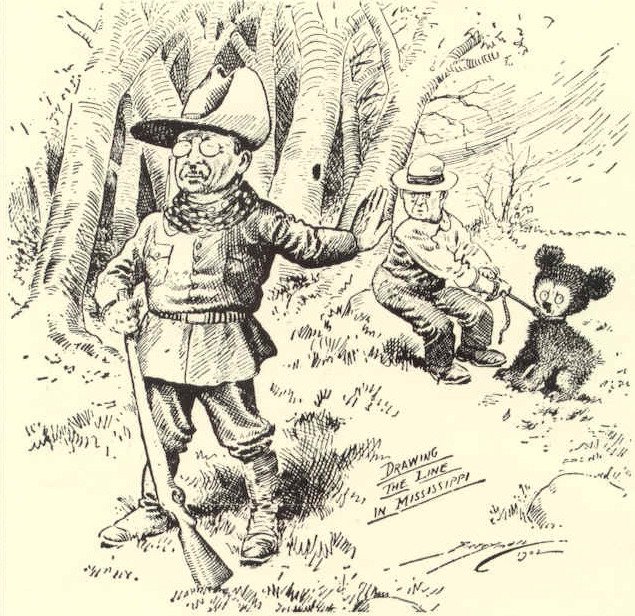
In 1902, during a hunting trip to Mississippi, Theodore Roosevelt encountered a bear-hunting competition. While other hunters had successfully hunted bears, Roosevelt had not. Instead, his team captured a bear and tied it to a tree, urging him to shoot it. Roosevelt refused, considering it unfair. This event led to a famous cartoon featuring a small, cute bear, and thus, "Teddy's Bear" was born, which later became the beloved teddy bear.
Early versions of these stuffed bears resembled real bears, featuring longer snouts and fur-like materials. Over time, the design transformed to include more endearing, baby-like characteristics. Today's teddy bears come in various fabrics such as fake fur, velour, cotton, satin, canvas, denim, and corduroy.
Teddy bears have become iconic, influencing many aspects of culture. They inspired popular characters like Rupert the Bear, Winnie the Pooh, and Paddington. Various Teddy Bear Museums have been established, showcasing their history and significance. Moreover, emergency services often give teddy bears to children in traumatic situations to provide comfort.
Loved by many, these plush toys remain a staple in children's lives, capturing hearts worldwide. Collectors also seek out rare and vintage teddy bears, turning them into valuable collectibles. Whether as companions for children or cherished collectibles, teddy bears hold a special place in society.
3. Lego
In the 1940s, Lego began its rise to fame and has since become a global icon. Though Ole Kirk Christiansen founded the company in Billund, Denmark, in 1934, it was in the forties when Lego bricks were first made of plastic. By the 1950s, Lego had gained an international following.
The idea of interlocking building bricks didn't start with Lego. A British company called Kiddicraft initially designed similar toys. Lego has acknowledged this, but there are many stories about how this came to be. Regardless, Lego grew to be a household name.
Over the years, Lego's construction sets have evolved and become more intricate. Themes like medieval, space, and city were especially popular in the eighties and nineties. In more recent times, Lego has obtained licenses to create sets for famous franchises. These include Harry Potter, Star Wars, Minecraft, Disney, Super Mario, Spiderman, and Stranger Things.
Lego didn't stop at the standard brick sizes. They introduced Duplo, larger bricks made for younger children, and Lego Technik, which includes gears, axles, and functional machinery to create more complex models.
Lego’s influence extends beyond just toys. The brand has successfully branched out into films, television, and video games, further solidifying its standing in popular culture.
4. Barbie

Barbie, first launched by Ruth Handler for Mattel in 1959, quickly became a sensation. Modeled closely after the German Bild Lilli Doll, Barbie was designed to be a stylish fashion doll. Since her debut, Barbie has maintained her place as the top-selling doll in the world, with millions of units sold.
Ruth Handler created Barbie to offer young girls an alternative to paper dolls, envisioning a three-dimensional doll that could be dressed up in different outfits. Over the years, Barbie’s appearance has evolved significantly. She has undergone various changes in body shape and style to reflect the social norms and fashion trends of each era.
The Barbie brand has expanded far beyond the doll itself. The franchise includes a wide array of products like cosmetics, books, stationery, and more. Barbie has also appeared in television series and video games, and started a YouTube channel as a vlogger in 2015. Notably, a live-action film with Margot Robbie playing Barbie was scheduled for release in 2023. This extensive range of products and media appearances underscores Barbie's lasting influence and widespread appeal.
5. Hot Wheels
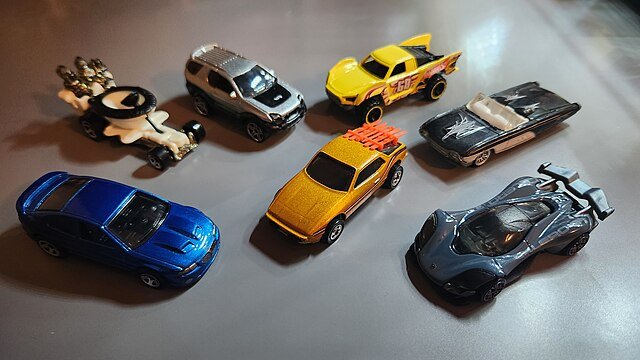
Hot Wheels, a popular toy brand created by Mattel, was introduced in 1968. These toy cars were inspired by the British Matchbox brand and became significant competition until 1997, when Mattel purchased Tyco Toys, the owners of Matchbox. Unlike Matchbox, which focused on real-life car replicas, Hot Wheels emphasized creativity and imagination, transforming cars into hot rods.
Hot Wheels quickly gained success and changed the toy car market. Today, Hot Wheels cars hold value beyond play and are highly collectible. Some rare models fetch high prices among collectors worldwide, sometimes reaching thousands of dollars in value.
In 2018, Hot Wheels began the Hot Wheels Legends Tour held annually across the United States. This event allows enthusiasts to enter their own real cars, which can then be transformed into Hot Wheels toys. This competition continues to highlight the fun and creativity that Hot Wheels has always promoted.
| Year | Event |
|---|---|
| 1968 | Hot Wheels introduced |
| 1997 | Mattel acquired Tyco Toys |
| 2018 | Start of the Hot Wheels Legends Tour |
The ongoing popularity and adaptability of Hot Wheels ensure it remains a beloved toy for both children and collectors.
6. Monopoly

In 1903, Lizzie Magie designed The Landlord’s Game to highlight the flaws of monopolistic economic systems and promote the benefits of a competitive economy. During the 1930s, Parker Brothers turned The Landlord’s Game into what we now know as Monopoly, officially releasing it in 1935. Years later, in 1991, Parker Brothers became a part of Hasbro. The game Monopoly has since sold over 315 million units globally.
Players aim to dominate the market by purchasing properties and utilities to drive their competitors into bankruptcy. Ownership is the key, and the game ends when only one player remains solvent. There are various adaptations of Monopoly, each customized for different countries by changing street names to reflect local locations.
The intense nature of the game means that not all sessions end smoothly. Frustration can run high, leading some players to flip the board in anger. This behavior perhaps mirrors the intense competition and high stakes often seen in real-world free-market economies.
7. The Most Famous Toy of Them All: The Rubik’s Cube
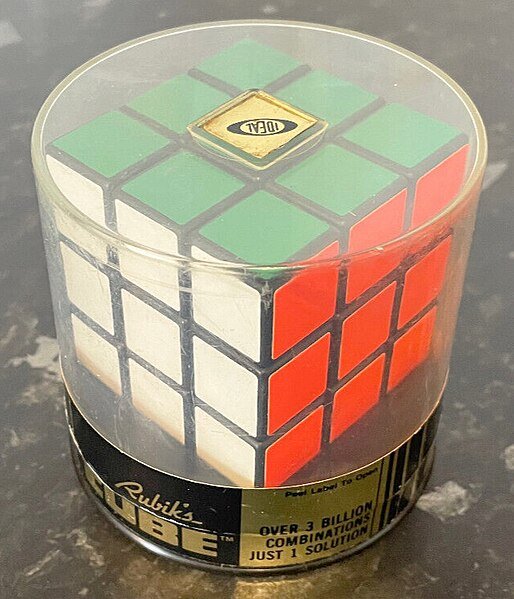
Invented in 1974 by Ernõ Rubik, the Rubik’s Cube is a challenging puzzle that has fascinated and puzzled people for nearly 50 years. In 1980, the cube was launched internationally, rapidly becoming a cultural icon. Thanks to its universal appeal, it sold millions of units to people of all ages. By 2009, it had sold over 350 million units, making it the best-selling toy ever.
Since 2003, the World Cube Association has been organizing competitions centered around the Rubik’s Cube. These events have made "speedcubing," or solving the cube in record time, a widely followed and competitive activity. The current record is held by Du Yusheng of China, who solved the cube in an astonishing 3.47 seconds.
While many toys have shaped the 20th century—from Hula Hoops to Slinkies to action figures like G.I. Joe—the Rubik’s Cube stands out due to its mix of simplicity and complexity. It challenges the mind and provides endless hours of entertainment. Its timeless appeal ensures it continues to be a beloved toy for generations, appealing not just to children but also to many adults around the world. Unlike many toys that fade over time, the Rubik’s Cube remains a lasting part of our collective memory.