Common Questions About Toys and Play

Choosing the right toys for children can be a daunting task for parents and caregivers. With countless options available, it becomes essential to find toys that not only engage but also support the child’s unique interests and developmental needs. Toys play a significant role in a child’s learning and rapidly evolving skills, making thoughtful selection all the more critical.
Engaging play ideas and understanding methods like toy rotation can help keep children interested while encouraging their development. Parents can also benefit from incorporating Montessori principles at home, which supports self-directed, hands-on learning. These efforts not only keep children entertained but also aid in their growth and education, providing a foundation for lifelong learning habits.
Toy and Learning Exploration: A Three-Part Series
Toys are not just for fun; they're vital tools for learning. Kids use them to work on many skills, from problem-solving to creative thinking. When playing with toys, children engage in activities that boost their cognitive, emotional, and physical development.
Engaging Kids with Toys
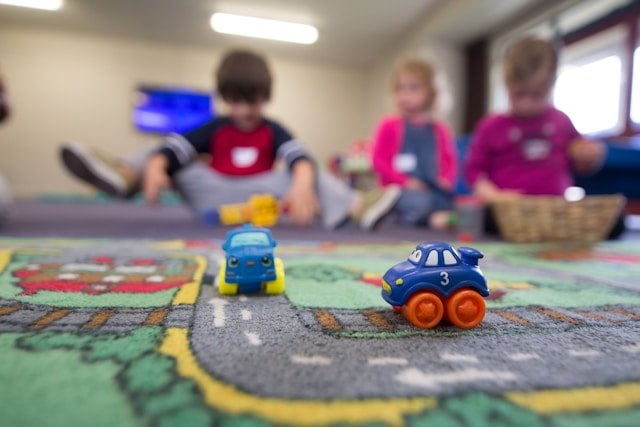
One interesting aspect of this series is how pretend play supports growth. Pretend play toys allow children to choose roles, act out scenarios, and use props. These activities enhance memory and help kids understand the world around them. For example, acting out a visit to the doctor can make real visits less stressful.
Physical Play and Safe Risks
Play also includes physical activities like jumping and climbing at the playground. These are important for physical health and development. They enable kids to take controlled risks, build confidence, and improve motor skills. Parents can find reassurance knowing these activities are part of a well-rounded playtime.
Stress Relief and Enjoyment
In addition to learning, playing helps reduce stress. Toys provide a playful escape and a way for kids to express emotions. Whether it's through imaginative play or physical activities, toys offer an avenue for kids to unwind and learn simultaneously.
You Asked, We Answered
1. Tips on Toy Rotation
Toy rotation can help prevent overstimulation and keep children engaged and focused. Rotating toys involves putting away some toys and periodically switching them out.
How to Implement Toy Rotation
Why Rotate Toys?
- Prevents overstimulation and misbehavior.
- Helps children focus on and fully enjoy a few toys at a time.
- Reduces clutter and makes clean-up easier.
How to Organize and Store Toys
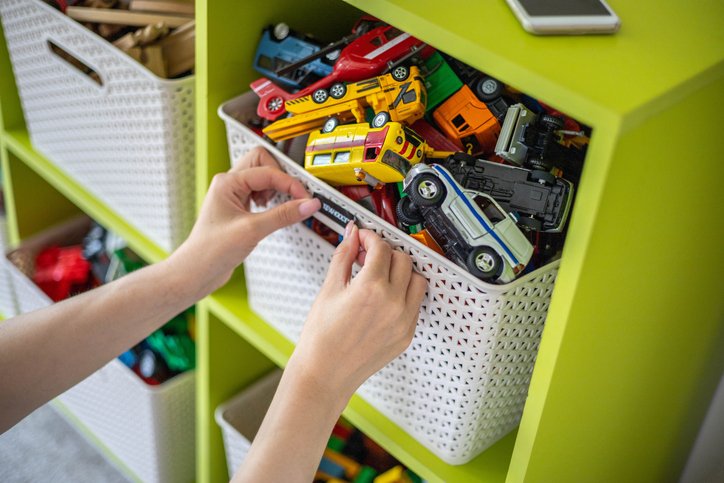
- Gather all toys and sort into piles: keep, donate, or toss.
- Store developmentally appropriate toys using labeled bins or baskets.
- Group similar toys together (puzzles with puzzles, dolls with dolls).
Choosing and Displaying Toys
- Have a variety of toys: thinking toys (puzzles, board games), moving toys (balls, cars), pretending toys (dolls, books).
- Display toys invitingly on shelves or tables.
- Rotate toys weekly or based on the child's play habits.
2. Inquiry-Based Learning
Inquiry-based learning follows the child’s interests to guide play and learning activities. This helps engage them in meaningful and enjoyable experiences.
How to Use Inquiry-Based Learning
Follow Interests
- Provide activities that align with the child’s current interests.
- Allow children to explore what fascinates them.
Practical Examples
- If a child likes cars, integrate them into learning activities (counting cars, building ramps).
- Tailor play to include thematic interests while maintaining educational value (crafts, experiments).
3. Utilize Montessori Methods at Home
Adapting Montessori principles at home can foster independence and learning. This method emphasizes hands-on learning and self-directed activity.
Setting Up a Montessori Environment
Create Orderly Spaces
- Designate specific areas for different activities (reading, building, art).
- Use child-sized furniture and accessible shelves.
Provide Montessori Materials
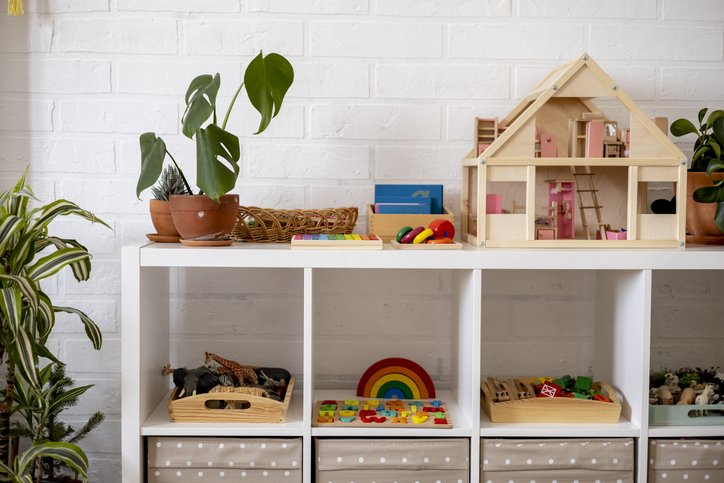
- Choose toys and materials that promote sensory exploration and fine motor skills (wooden blocks, trays with different textures).
- Encourage practical life activities like pouring, sorting, and cleaning.
4. Understanding Loose Parts Play
Loose parts play involves using a variety of materials that children can move, arrange, and create with, stimulating creativity and problem-solving skills.
Benefits of Loose Parts
Promotes Creativity
- Loose parts like stones, buttons, and fabric pieces can be used in endless ways.
- Encourages children to think outside the box and create unique combinations.
Encourages Problem-Solving
- Children learn to experiment and figure out how to use different materials.
- Helps develop critical thinking and innovation.
5. Favorite Shops for Montessori Type Toys
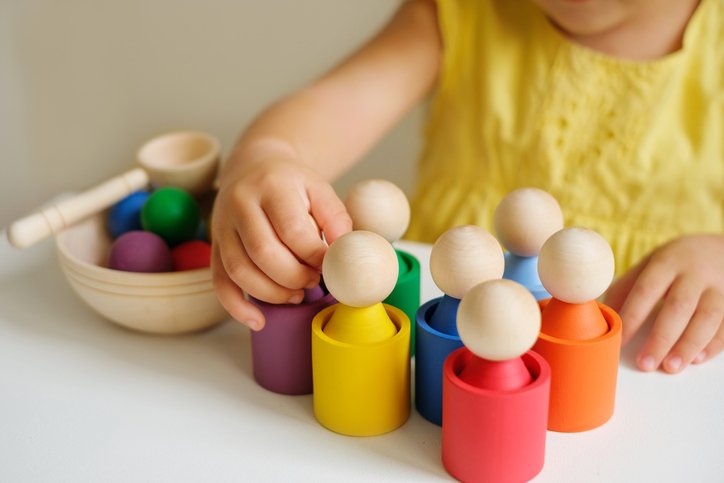
Finding quality Montessori materials can enhance at-home learning. Here are some recommended shops.
Recommended Montessori Shops
Local Toy Stores
- Look for stores that specialize in educational toys and natural materials.
- Check community recommendations for trusted shops.
Online Retailers
- Websites like Etsy and Amazon offer a variety of Montessori materials.
- Look for well-reviewed products that are non-toxic and durable.
Must-Have Toys
Here is a list of essential toys that support development and engagement across various ages.
Thinking Toys

- Puzzles: Cognitive development and problem-solving.
- Board Games: Strategy and social skills.
Moving Toys
- Balls: Gross motor skills and coordination.
- Cars: Motor skills and imaginative play.
Pretending Toys
- Dolls and Action Figures: Social and emotional development.
- Play Food: Encourages role-playing and creativity.
Classic Toys
- LEGO Sets: Building and fine motor skills.
- Mr. Potato Head: Creativity and fine motor development.
- Twister: Coordination and flexibility.
Games and Puzzles
- Chess and Checkers: Strategic thinking.
- Jenga: Hand-eye coordination and patience.
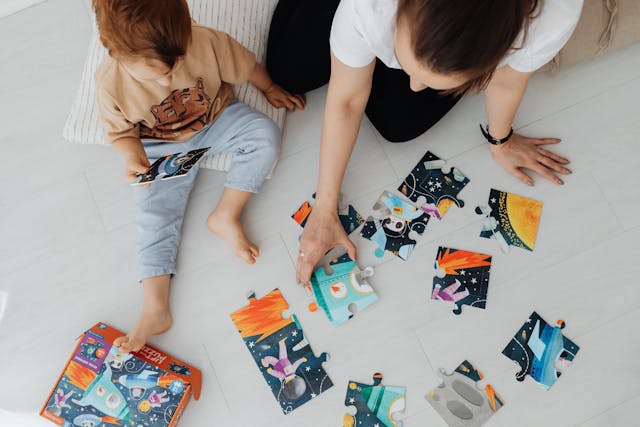
- Jigsaw Puzzles: Cognitive development.
Art Supplies
- Markers and Crayons: Fine motor skills and creativity.
- Drawing Books: Encourages artistic expression.
Sensory Toys
- Play-Doh: Tactile exploration and creativity.
- Teething Toys: Safe exploration for infants.
This broad range of toys ensures a well-rounded play experience, supporting cognitive, social, emotional, and physical development. Encourage your child to explore and engage deeply with a varied selection of toys for a fulfilling playtime.