Barbie’s Dream House: The 1960s Playset That Fulfilled Fantasy
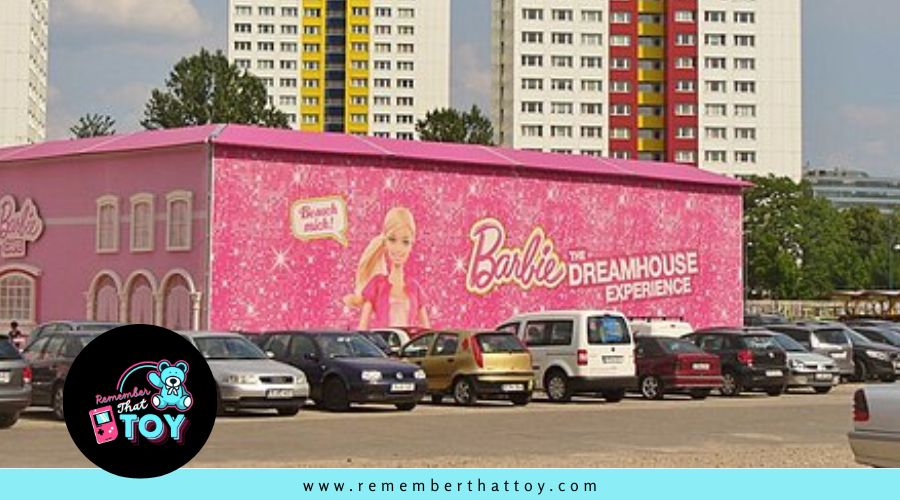
Barbie's Dream House has been sparking imaginations since its launch in 1962, evolving from a basic cardboard layout to a vibrant, multi-room home that mirrors changing design trends. Initially, the Dream House featured a studio layout, fostering imaginative play for a single occupant. It wasn't just a toy; it opened doors to creative storytelling.
By 1964, the Dream House expanded to include multiple rooms, resembling a suburban home, allowing for more intricate narratives. This evolution marked the beginning of more sophisticated designs in the Barbie Dream House series, meeting children's growing desire for realism and variety.
In 1974, the iconic townhouse design was introduced, featuring three stories and six rooms, setting a new standard for future iterations. Over the decades, the Barbie Dream House has incorporated interactive elements, vibrant colors, and innovative designs, appealing to both children and collectors. Each version offers new adventures, making the Barbie Dream House a beloved staple in Barbie's extensive product line, reflecting evolving play patterns and preferences.
Historical Significance
The introduction of the Barbie Dreamhouse in 1962 transformed children's toys by offering a platform for imaginative play focused on a domestic setting. This playset, reflecting the mid-century modern design aesthetic, allowed children to create their own miniature worlds. The Barbie Dreamhouse represented an aspirational lifestyle, enabling young girls to envision themselves in a space symbolizing both femininity and independence.
Additionally, the nostalgic value of the original Dreamhouse has made it a prized collector's item, with complete sets fetching prices in the hundreds of dollars. This underscores the lasting impact of the Barbie Dreamhouse, influencing societal views on women and domesticity over the decades. More than a playset, it remains a significant piece of history that continues to resonate across generations.
Iconic Design Features
The original Dream House, constructed from cardboard, not only offered portability but also ignited young imaginations with its vibrant colors and creative design. Its bright pink exterior made it instantly recognizable, enticing children to engage in play. Featuring slim-line midcentury modern furniture that required assembly, the Dream House encouraged imaginative scenarios, allowing children to create unique living spaces for their Barbie dolls.
Each room, including the living room, was carefully designed to reflect the contemporary aesthetic of the 1960s, resembling a chic yet compact dream home. While the basic furniture was included, additional pieces were often sold separately, giving children the freedom to personalize their Doll House experience.
Although the cardboard construction lacked the durability of plastic toys, its colorful patterns and ability to inspire creativity made it beloved among collectors and children alike. Today, vintage sets of the original Dream House hold significant value, with complete collections priced between $100 and $150, cementing its iconic status in toy history.
Midcentury Modern Aesthetics
Barbie's Dream House is a quintessential example of midcentury modern aesthetics, featuring clean lines and vibrant colors that capture the playful spirit of the 1960s. Released in 1962, this iconic playset's cardboard construction reflects the period's emphasis on creativity and individuality. The design incorporates playful patterns that bring the compact space to life.
The slim-line furniture within the Dream House exemplifies the minimalist yet stylish approach characteristic of midcentury modern design. Each piece complements the house's overall aesthetic, making it more than just a toy—it's a miniature representation of contemporary architectural trends. This blend of functionality and style resonates with collectors who appreciate its historical significance in toy design.
Cultural Influence
The Barbie Dream House, introduced in 1962, has evolved into a cultural icon that both reflects and shapes societal views on femininity and domesticity. Initially a simple cardboard structure, it has transformed over the decades to become increasingly elaborate, mirroring the changing aspirations and independence of women.
| Period | Design Features | Cultural Impact |
|---|---|---|
| 1960s | Simple cardboard | Shaped early gender expectations |
| 1980s | Elaborate interiors | Reflected growing independence and career ambitions |
| 2000s & beyond | Varied and inclusive designs | Promoted empowerment and diversity |
Barbie's presence in various media has cemented the Dream House as a symbol of femininity and independence. Each iteration of the Dream House illustrates the evolving roles and aspirations of women, making it more than just a toy.
Collectibility and Value
Vintage Barbie Dream Houses are highly sought-after collectibles, with prices often reflecting their condition and rarity.
The condition of the Dream House and its accessories significantly impacts their value. Items in 'Good Condition' usually attract more interest, so check for any damage or missing pieces. Look for listings that allow negotiation; you might secure a better deal on those coveted pieces.
Be aware of seasonal fluctuations in the collectibles market, as prices can spike during peak buying seasons like the holidays. Timing your purchase can be a savvy strategy. Engage with active collector communities online, as these spaces sustain interest and maintain high market values. Collectors regularly exchange items at events and conventions. Happy hunting!
Market Trends
When browsing listings, note that many items offer negotiation options. This flexibility can help secure better deals, adding an exciting dimension to your purchasing strategy. Shipping costs also significantly impact the total price.
Additionally, the market experiences seasonal fluctuations and is influenced by collector events, which can stimulate activity and affect pricing trends. Staying informed about these factors will empower you to make wise decisions in this vibrant market. Whether you're buying to enhance your collection or considering selling, understanding these market dynamics is key to maximizing your investment.
Consumer Reactions
Nostalgia often comes to mind when thinking about Barbie's Dream House, as many adults fondly remember the joy of playing with the original models. Collectors express excitement for both classic and new versions, highlighting a strong emotional connection to the product. While assembly challenges in newer models may cause some frustration, the overall fun and detailed design continue to engage and satisfy consumers.
Nostalgic Emotional Connections
Many people feel a deep sense of nostalgia for the Barbie Dream House, recalling cherished memories of imaginative play from their childhood. This iconic playset not only serves as a canvas for creativity but also evokes the aspirational lifestyles of the 1960s. It's remarkable how this cardboard structure continues to spark joy across generations.
| Emotional Connection | Generational Impact | Community Engagement |
|---|---|---|
| Fond childhood memories | Sharing with children | Discussions and storytelling |
| Aspirational lifestyles | Legacy of play | Sense of belonging |
| Cultural significance | Collecting excitement | Collective nostalgia |
Stories from collectors often highlight the joy of passing down the Dream House experience to their children. These shared moments reinforce the product's lasting legacy as a beloved childhood staple. The Dream House fosters a unique bond, not just with the toy itself, but with the memories and connections formed around it. This emotional significance keeps the spirit of Barbie alive, creating a community that cherishes those magical moments.
Excitement for Collecting
The thrill among enthusiasts is palpable as they hunt for vintage Barbie Dream Houses, sparking excitement and nostalgia for cherished childhood memories. Many collectors fondly recall the original 1962 model, sharing stories that create a strong emotional bond with these iconic playsets. Exploring vibrant collector communities online, you'll notice how discussions about these beloved pieces amplify your enthusiasm and fuel your desire to find them.
Collectors relish acquiring rare accessories and furniture, which not only enhance their collections but also add significant value. Every new find feels like a personal victory, connecting you back to youthful aspirations and lifestyle choices represented by Barbie.
Architectural Evolution
The 1974 townhouse design was a pivotal advancement, offering three stories and six distinct rooms. This architectural complexity enriched the play experience, sparking the imaginations of children worldwide. The 1980s Magical Mansion further elevated the design with interactive elements like working lights and a functioning doorbell, enhancing engagement during playtime.
Recent versions of the Dream House incorporate realistic features such as kitchens and bathrooms, while still maintaining bright colors and playful aesthetics. This blend of realism and whimsy illustrates how Barbie's Dream House continues to evolve, adapting to modern tastes and encouraging endless creative possibilities.
Accessories and Add-Ons
Vital furniture pieces in Barbie's Dream House often include iconic items like sofas, lamps, and beds that not only enrich play but also evoke nostalgia for collectors. The original 1962 Dream House showcased midcentury modern furniture, perfectly capturing the period's trends. These pieces are fundamental for creating an authentic play environment.
Here are four must-have furniture items you might consider for your collection:
- Sofa - This slim-line piece adds character and comfort, perfect for Barbie and her friends to lounge.
- Coffee Table - A stylish supplement that complements the living space, allowing for imaginative gatherings.
- Bed - The Vintage Cardboard Bed, priced at around $18.00, brings back fond memories and offers a cozy sleeping space for Barbie.
- Lamp - The Vintage Mattel Barbie's New Dream House Family Room Lamp Shade, available for about $20.00, elevates the ambiance and is a sought-after accessory.
These essential furniture pieces not only enhance your play experience but also serve as nostalgic reminders of Barbie's timeless appeal.
Conclusion
Barbie's Dream House isn't merely a toy; it's a cultural icon that mirrors evolving dreams and aspirations. From its stylish design to its influence on gender roles, it continues to spark creativity and imagination in children today. As new generations discover its allure, the Dream House remains a treasured piece of history, reminding us that play and possibility are intertwined.