Barbie: The 1950s Fashion Doll That Became a Cultural Icon
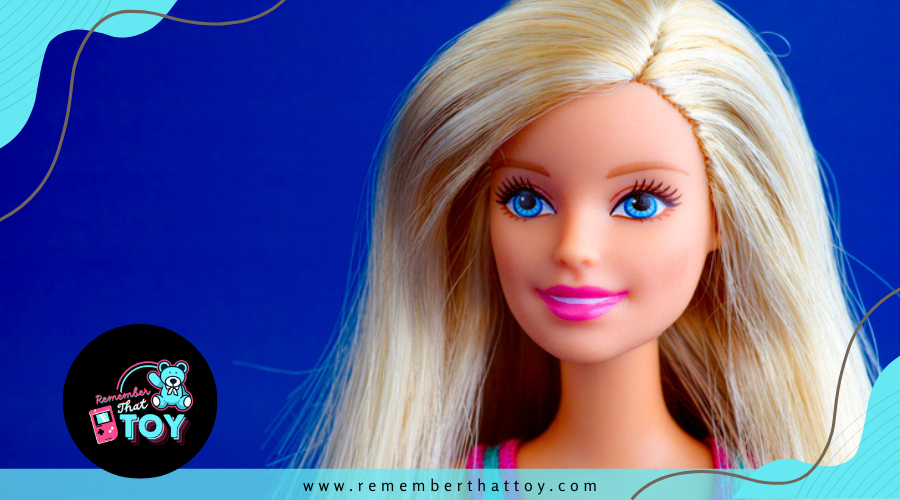
Barbie, introduced in 1959, quickly transitioned from a simple fashion doll to a multifaceted cultural icon. Initially lauded for her glamorous appearance, she also faced criticism for promoting limited beauty standards and traditional gender roles. However, as societal values evolved, so did Barbie, becoming a symbol of empowerment and inclusivity. This transformation was driven by changing cultural norms and the growing demand for diverse representation.
Origins of Barbie
Barbie debuted on March 9, 1959, at the New York Toy Fair, created by Ruth Handler, who drew inspiration from her daughter's affinity for paper dolls. Ruth envisioned Barbie as a fashion doll that would empower young girls to envision their futures, marking a significant shift in the toy industry, where previous dolls primarily depicted infants or young children.
Initially, Barbie's sales were sluggish until a strategic advertisement on 'The Mickey Mouse Club' captured the audience's attention, transforming her into a cultural phenomenon. With her stylish wardrobe and adult-like features, Barbie encouraged girls to explore their aspirations beyond traditional societal norms.
Reflecting the changing times, Barbie quickly became more than just a toy; she symbolized the evolving roles and ambitions of women. Over the decades, Ruth Handler's creation showcased over 200 career options, from astronaut to doctor, inspiring girls to dream big. Barbie's origins set the stage for a brand that not only entertained but also inspired generations, challenging the boundaries of what young girls could aspire to be.
Evolution of Barbie's Design
Since her debut in 1959, Barbie's design has evolved significantly to mirror changing fashion trends and societal expectations. Initially, Barbie featured a classic look with a blonde ponytail and a black-and-white striped swimsuit. The 1960s saw her adopt a more sophisticated style inspired by Jackie Kennedy, with elegant outfits and hairstyles.
By the mid-1980s, Barbie's designs embraced contemporary trends like shoulder pads and leggings, capturing the essence of that era's fashion. The most significant transformation occurred in 2016 when Barbie introduced a diverse range of body types, skin tones, and hairstyles, promoting inclusivity and representing a broader spectrum of beauty standards.
Body Image Debates
The evolution of Barbie's design raises important questions about body image, particularly how her iconic proportions have historically influenced young girls' perceptions of beauty. For decades, Barbie's unrealistic figure contributed to negative self-esteem and body image issues among children. Recognizing this, Mattel introduced diverse dolls in 2016, featuring curvier figures, varied heights, and different body types. This move aimed to promote inclusivity and reflect a broader spectrum of beauty, challenging the traditional gender roles that Barbie once reinforced.
Careers and Empowerment
With a portfolio of over 180 careers, Barbie empowers girls to envision themselves in diverse professional roles, breaking traditional gender barriers. Since her debut, Barbie dolls have showcased rich career diversity, encouraging young girls to dream big. Mattel introduced the first career-focused Barbie, Miss Astronaut Barbie, in 1965, reflecting the aspirations of women entering the workforce. This commitment to empowerment continued with Barbie's presidential run in 1992, highlighting women's political ambitions.
In recent years, Barbie has adapted to contemporary roles, including STEM careers, inspiring girls to explore fields often seen as male-dominated. The introduction of dolls with disabilities, such as a wheelchair-using Barbie, further emphasizes inclusivity and representation in career opportunities. This evolution mirrors society's changing views on women's roles, demonstrating that girls can pursue any career they choose.
Cultural Significance of Barbie
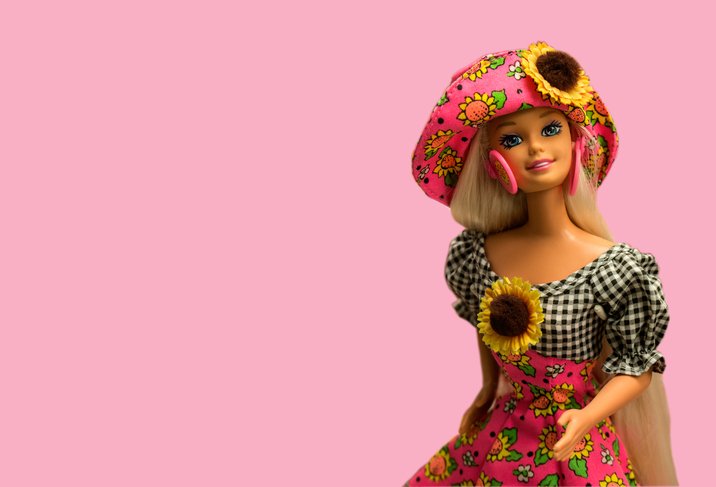
Barbie has transcended her role as a mere doll to become a cultural icon, reflecting and shaping societal values in areas like fashion, gender roles, and identity. Her influence extends beyond play, symbolizing female empowerment and inclusivity. Here are key reasons why Barbie's cultural significance is undeniable:
- Fashion Icon: Barbie's ever-evolving wardrobe, often inspired by Hollywood stars, has set trends and influenced aspirations for decades.
- Female Empowerment: Representing over 180 careers, Barbie challenges traditional gender roles, portraying women as astronauts, doctors, and more.
- Inclusivity: The introduction of diverse dolls in 2016 underscored the importance of representation, promoting body positivity and acceptance in the toy industry.
- Adaptability: Barbie's evolution to include gender-neutral dolls and those with disabilities highlights her relevance in contemporary discussions about identity.
Through these facets, Barbie has not only entertained but also inspired generations, encouraging young girls to dream big and embrace their individuality. As a cultural symbol, she continues to drive conversations about fashion, empowerment, and inclusivity, solidifying her significance in society.
Controversies and Criticisms
Barbie has faced significant criticism for promoting unrealistic beauty standards, which can negatively impact young girls' body images. Early releases of the doll were also criticized for reinforcing outdated gender roles. These criticisms have profoundly influenced Barbie's evolution and the broader discussions about her societal impact.
Unrealistic Beauty Standards
Since her debut, the iconic Barbie doll has sparked intense debates over the unrealistic beauty standards she embodies, influencing generations of young girls' perceptions of their own bodies. Critics argue that Barbie's exaggerated features promote unattainable ideals, negatively impacting body image and self-esteem. These controversies have led to significant discussions about the messages conveyed through toys, particularly regarding gender and beauty.
Here are some key points to consider:
- Proportions: Barbie's design features an exaggerated bust, tiny waist, and long legs, which many view as unrealistic.
- Cultural Impact: The doll's influence has shaped societal norms around beauty for decades, prompting concerns about the messages sent to young girls.
- Diversity Efforts: In response to criticism, Mattel introduced a range of dolls in 2016 that showcase diverse body types, aiming for a more inclusive representation of beauty.
- Ongoing Debate: Despite backlash, Barbie remains a cultural icon and one of the best-selling dolls in history, highlighting the complex relationship between consumer demand and societal expectations.
These discussions around Barbie continue to evolve, reflecting broader changes in cultural attitudes toward beauty and diversity.
Body Image Concerns
Concerns about body image stem from Barbie's unrealistic proportions, sparking critical discussions about its impact on young girls' self-esteem. Many argue that Barbie's appearance perpetuates unattainable beauty standards, contributing to negative body image among impressionable children. The idealized figure can make young girls feel inadequate, affecting their self-worth and perception of beauty.
In response to these concerns, Mattel introduced curvier figures and diverse body types in 2016, aiming to promote a more positive body image. While these changes represent progress, debates persist. Critics worry that even with diverse representations, Barbie's overall influence on body perception remains problematic.
Research indicates that exposure to Barbie can correlate with negative body image, raising questions about the responsibility of toy manufacturers in shaping societal norms. It's worth considering whether these dolls encourage unhealthy comparisons among young girls or inspire them to accept their unique appearances. Ultimately, the conversation around Barbie underscores the need for more inclusive representations in toys and media to foster healthier self-esteem in children. As you engage in these discussions, consider how cultural icons like Barbie shape perceptions of beauty and body image in contemporary society.
Gender Role Criticism
Critics argue that Barbie has long reinforced traditional gender roles, impacting how young girls perceive their capabilities and aspirations. This criticism has persisted since her debut in 1959. Barbie's unrealistic proportions have contributed to negative body image issues, leading to societal pressures regarding appearance.
Here are four key criticisms of Barbie:
- Unattainable Beauty Standards: Her proportions promote an ideal that most women can't achieve.
- Reinforcement of Stereotypes: Products like Teen Talk Barbie perpetuated outdated notions, such as the idea that math isn't for girls.
- Cultural Impact: As a cultural icon, Barbie's influence on gender perceptions can limit young girls' aspirations.
- Attempts at Inclusivity: While Mattel has introduced a diverse range of body types and skin tones, the initial impact of Barbie still shapes societal views.
These controversies highlight the ongoing debate about Barbie's role in shaping perceptions of gender and body image. It is crucial to recognize both the criticisms and the efforts made to promote inclusivity in the toy industry.
Diversity and Representation
Starting in the 1960s with the introduction of Christie, Barbie's first African American friend, the brand has progressively expanded its range of skin tones and cultural backgrounds. In 2000, Mattel introduced a more diverse line of dolls featuring various body types and hairstyles, emphasizing the importance of representation in the toy industry.
The 'Dolls of the World' series, which debuted in the 1990s, showcased Barbies from various countries, promoting global awareness and cultural appreciation among children. This initiative celebrates diversity and encourages an appreciation for different cultures. In 2019, Mattel introduced the Creatable World dolls, a gender-neutral line, furthering the brand's commitment to inclusivity.
Most recently, in 2023, Barbie released a doll with Down syndrome, marking a significant step toward representing individuals with disabilities. This initiative underscores the brand's dedication to ensuring that all children see themselves reflected in their toys. By prioritizing diversity and representation, Barbie continues to evolve as a cultural icon that aligns with the values of today's society.
Conclusion
Barbie's journey from a 1950s fashion doll to a cultural icon underscores her adaptability and inspirational role. By promoting diversity and empowering young girls to aspire to greater heights, she has reshaped perceptions of beauty and ambition. Despite facing controversies, Barbie continues to challenge societal norms and advocate for inclusivity. Her evolution reflects not just a toy's transformation but also societal progress and the limitless potential for future generations.