30 Toys That Defined the 80s: A Nostalgic Journey Through Iconic Playtime Classics
The 1980s were marked by a vibrant array of iconic toys that left a lasting impression on children and collectors alike. From action figures inspired by popular movies and TV shows to innovative gaming consoles, the decade offered a diverse selection of playthings that continue to evoke nostalgia. These toys were more than just fun; they reflected the cultural and technological shifts of the era.
Some standouts include "He-Man and the Masters of the Universe" action figures, which introduced kids to a fantastical world of heroes and villains. The Atari 2600 revolutionized home entertainment, bringing video games into living rooms around the world. Meanwhile, toys like the Glo Worm combined functionality with comfort, offering kids a unique blend of fun and practicality.
Action Figures
He-Man and the Masters of the Universe figures were immensely popular, offering kids the chance to engage in epic battles. Similarly, Star Wars action figures continued their hold on the market, with rare items fetching high prices even today.
Stuffed Animals
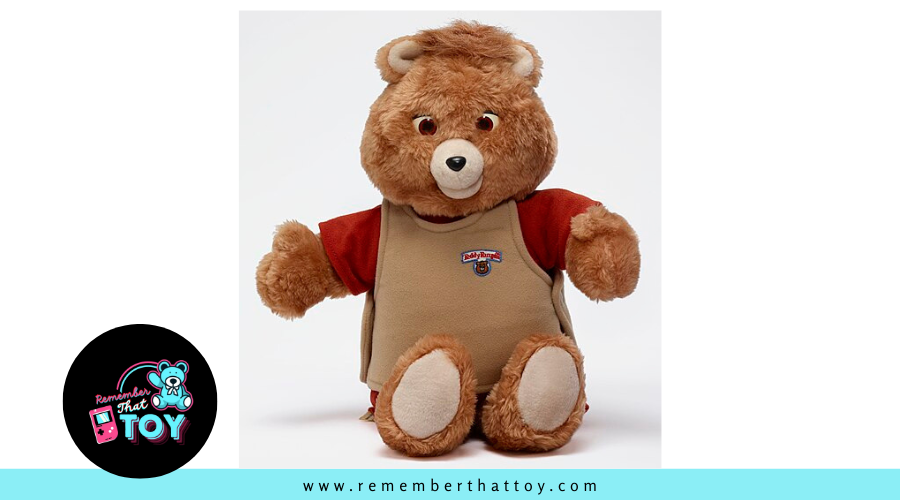
Teddy Ruxpin, the talking bear, became a sensation, with demand so high that the company shipped them on jets to meet requests. Another notable toy was Cabbage Patch Kids, which caused such a frenzy in 1983 that parents risked injury to secure one during the holiday season.
Cartoon-Inspired Toys
The '80s saw toys inspired by popular cartoons. Care Bears and Strawberry Shortcake started as greeting cards before becoming plush toys and animated characters. Rainbow Brite, created by Hallmark, was another favorite among kids.
Electronic and Handheld Games
Portable video games began to gain traction. Handheld devices provided entertainment on the go, marking the beginning of a new era in gaming.
30 Toys That Defined the '80s
The toys from the 1980s hold a special place in the hearts of those who lived through that decade. It wasn't as easy to get your hands on the latest toy as it is today; often it involved pleading with parents and hoping the store had it in stock. Despite the challenges, toys from this era have left a lasting impact.
Care Bears
View this post on Instagram
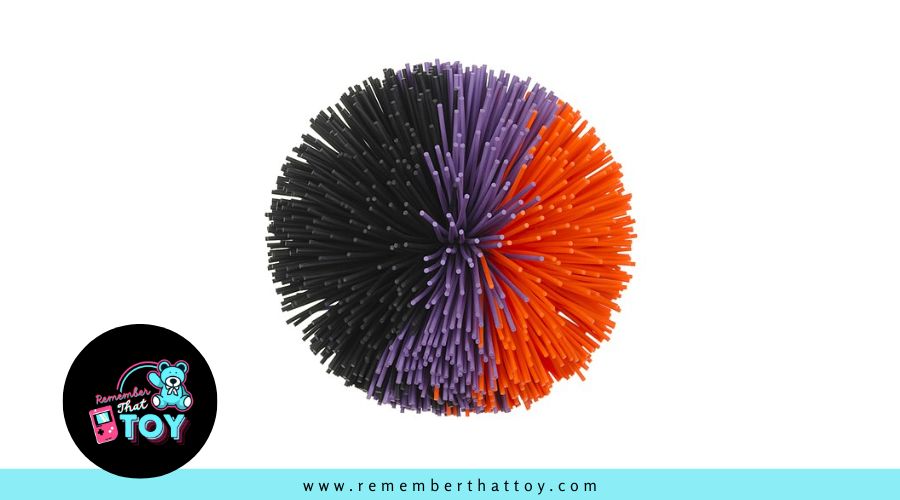
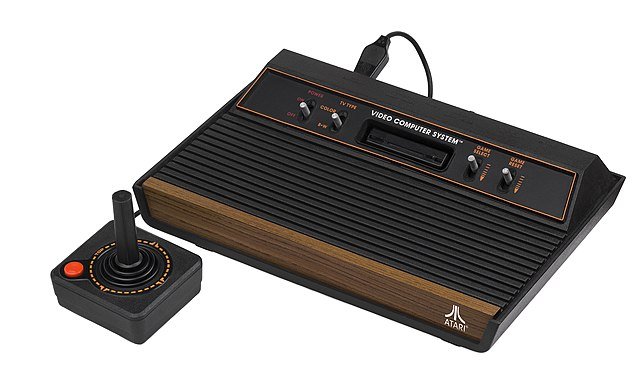
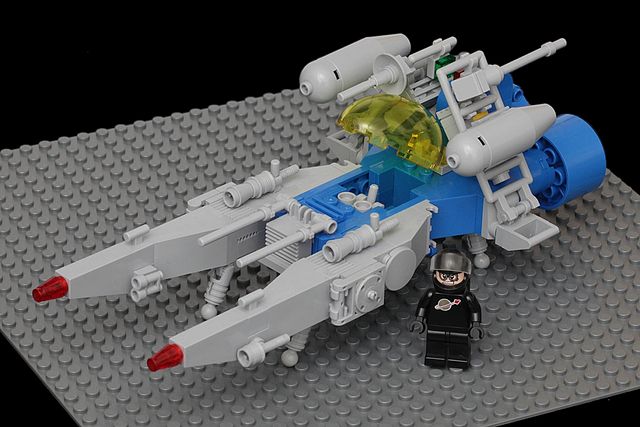
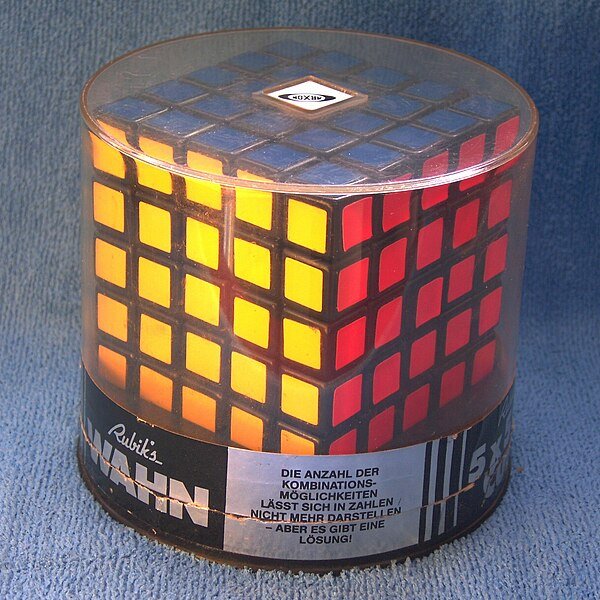
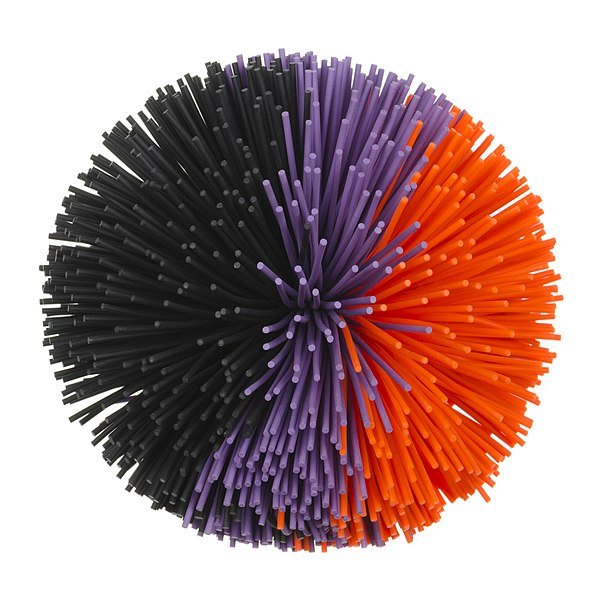
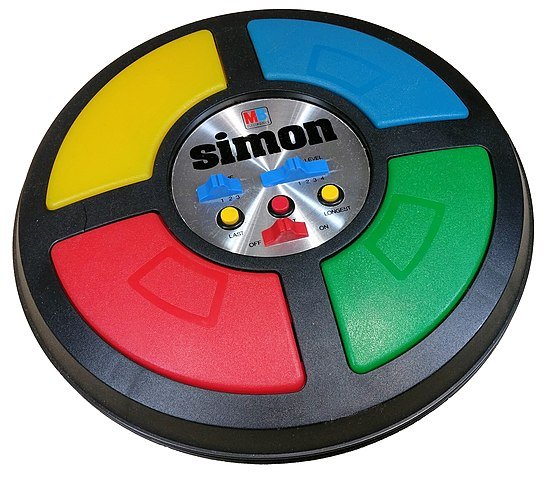
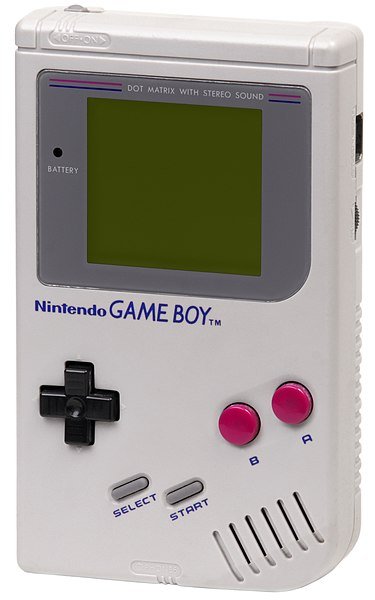
The original ten Care Bears—Cheer Bear, Bedtime Bear, Birthday Bear, Wish Bear, Tenderheart Bear, Good Luck Bear, Love-A-Lot Bear, Friend Bear, Funshine Bear, and Grumpy Bear—first appeared as American Greetings card characters in 1981. By 1983, they were turned into plush toys by Parker Brothers. In 1985, these colorful and soft bears became stars of their own animated television series. Later in the 1980s, they featured in three major Canadian-American movies. Despite several relaunches with new characters, books, and films, the popularity of these cuddly creatures began to decline as the 2000s approached. Atari brought the arcade into homes with the release of the Atari 2600. Developed by the creators of the arcade hit Pong, the console featured two joysticks, paddle controllers, and a wood-paneled design. Popular games like Space Invaders, Pac-Man, and Asteroids were sold as cartridges. The system, with its adjustable difficulty settings, sold millions, making Atari a common presence in '80s households. The home gaming console was a landmark in video game history. Strawberry Shortcake and her dessert-themed friends like Lemon Meringue and Blueberry Muffin were extremely popular toys among young girls in the '80s. This freckled doll, with her distinct hat and sweet scent, became a sensation. The character was more than just a toy; she expanded into an animated TV series, an Atari video game, and a variety of merchandise like pajamas and bedding. Creator Muriel Fahrion noted that playing with Strawberry Shortcake provided some children an escape from challenging family situations. The franchise was highly successful, reportedly generating significant profits. The Pogo Ball, created by Hasbro, resembles a planet with rings and was a popular toy in the 1980s. Unlike the Pogo Stick, which uses steel coils, this toy features an inflatable ball set in the middle of a sturdy plastic platform. Kids would stand on the platform, grasp the ball with their feet, and hop around. Physical education teachers later used the Pogo Ball to help students improve their balance, and adults found it useful for exercise. Although its initial craze has faded, the Pogo Ball left a lasting impact. During the 1980s, The Lego Group tapped into the massive success of George Lucas' "Star Wars" by introducing minifigures with unique features like visor-less helmets and vehicles on wheels. They designed these toys to capture the excitement of space exploration, even before officially joining forces with "Star Wars" in 1999. This collaboration has cemented Space Legos' place in toy history, continuing to inspire new generations. Matchbox launched Monster in My Pocket in the late '80s, captivating kids with tiny plastic figurines. These toys represented mythical, religious, literary, and film monsters. Each figure was brightly colored and part of a "scary" point series: the Great Beast scored 25 points, while less frightening figures like The Witch rated at 5 points. However, in 1993, Matchbox faced backlash from Hindu officials over the portrayal of Indian deities as pocket-sized monsters. This controversy led to an apology from the company. The Teenage Mutant Ninja Turtles—Michelangelo, Donatello, Raphael, and Leonardo—first came to life in 1983 as sketches by two artists. These characters, named after Italian Renaissance painters, quickly became iconic. What started as a comic book series evolved into a pop-culture phenomenon. In 1987, a Saturday morning cartoon showcasing these pizza-loving, martial-arts-expert turtles premiered, boosting their popularity. This series was later picked up by Nickelodeon in 2012. During the early years of "Turtlemania," merchandise featuring the four heroic brothers generated over $1.1 billion in revenue. The Rubik’s Cube, originally called the Magic Cube, first appeared in 1980. This six-sided puzzle with nine squares on each face quickly gained a huge following. The first Rubik’s World Championships took place in Budapest in 1982, making speedcubing a recognized sport. By the mid-90s, several special editions were released, including a cube with diamond embellishments. The toy remained incredibly popular, with 2017 being a standout year, generating over $250 million in sales. The Roller Racer is a human-powered toy with rams horn-shaped handlebars and wheels attached to a tractor seat. Kids enjoyed riding it down streets in the '80s while scientists were intrigued by its unique physics. The toy operates on a side-to-side thrust vector concept, which was the brainchild of a retired Boeing engineer as a gift for his grandson. Wham-O, known for toys like Hacky Sack and Slip 'N Slide, sold the Roller Racer. Even today, physical education teachers use Roller Racers for relay races, obstacle courses, and roller tag. The handheld Texas Instruments toy came with learning cartridges, including Homonym Heroes, Noun Endings, Magnificent Modifiers, and Vowel Ventures. Sister toy to Speak & Read and Speak & Math, this educational game focused on the English subject. Using digital signal processing, it converted analog sound into speech, teaching kids both spelling and pronunciation effectively. The Lite-Brite Magic Screen was a popular toy in the 1980s. It featured a gridded, 25-watt light bulb box and translucent-colored plastic pegs. Kids would create pictures by placing the pegs into a panel using either pre-patterned or free-form black opaque paper. This toy allowed for a wide range of designs. Hasbro initially provided many refillable pictures and later added characters like My Little Pony, Scooby-Doo, Darth Vader, and Mr. Potato Head. The Koosh ball, consisting of about 2,000 rubber strands radiating from a core, was created by an engineer aiming to make playing catch safer and easier for his children. It was first introduced in 1986. Within a few years, Archie Comics launched a comic series about six living Koosh balls. The toy lineup expanded to include keychains and yo-yos. Legal drama surfaced in 1993 when its copyright status reached the attention of Supreme Court Justice Ruth Bader Ginsburg. Additionally, a woman filed a lawsuit after being struck by one on the “Rosie O'Donnell Show” in 2003. Glo Worms were introduced by Hasbro's Playskool in 1982, combining the features of a stuffed animal and a night light. When squeezed, the toy's head would light up, making it a comforting companion for children. Due to its popularity, Hasbro released the Musical Glo Worm in 1983, which played lullabies or bedtime stories. The catchy tagline, "They’re all your goodnight friends," was featured in commercials showing children getting ready for bed with their Glo Worms. Pound Puppies were a hit with kids who longed for a pet but had parents who didn’t want to deal with the mess. These plush toys, sold for $30 each plus $3.50 for a name tag, came in a cardboard crate meant to mimic a rescue shelter. With their big floppy ears and cute eyes, they were irresistible. Created by Mike Bowling, the puppies became so popular that they outnumbered real dogs in the U.S. by three to one in 2016. Fashion Plates began as a concept in the 18th century, but it wasn't until 1977 that Tomy Toys released a popular toy version, which became a hit in the 1980s. Children, especially young girls, could mix and match a variety of outfit pieces on a base. By using a black crayon, they traced the outlines onto paper. Afterward, they added color and fabric patterns with pencils, bringing their creations to life. In 2014, Kahootz revived Fashion Plates, making them available for a new generation of aspiring designers. Moon Boots were mini trampolines that kids could strap to their feet using Velcro straps. Originally released in the 1950s with metal construction, they were updated with plastic in the 1980s, resulting in fewer, but not eliminated, injuries like twisted ankles. Despite the risks, children loved bouncing around. Nickelodeon revisited and updated the design in the 1990s with improved safety features to make the experience safer. Polly Pockets first appeared in 1989 and quickly became a favorite among kids. These tiny dolls, along with their many accessories, offered endless opportunities for creative play. Chris Wiggs originally made the first set in 1983 for his daughter, using a powder compact as a miniature house. In the 1990s, Mattel licensed Polly Pocket, eventually purchasing Bluebird Toys in 1998. Polly Pocket made a successful comeback after a break, returning to shelves in 2018. He-Man and the Masters of the Universe action figures became incredibly popular when Mattel released them in 1982. These toys, featuring He-Man battling his archenemy Skeletor, were must-haves for many kids. The line expanded beyond toys into comic books, TV shows, movies, and even a She-Ra spin-off. There were also eight video games inspired by the series. In response to nostalgic fans, Mattel launched the Masters of the Universe Origins collection in 2020, bringing back classic characters like He-Man and Skeletor. Monchhichi, a charming stuffed monkey toy that could suck its thumb, first appeared in 1974. Created by the Japanese company Sekiguchi, these cuddly toys made their way to the United States in 1980 thanks to a licensing deal with Mattel. A catchy jingle and a Saturday morning cartoon series produced by Hanna-Barbera in 1983 helped boost their popularity. Although the trend diminished and Mattel discontinued the line in 1985, Sekiguchi reintroduced Monchhichi in 2004. Tom Hanks and Robert Loggia helped ignite the Piano Dance Mat craze in the late 1980s. This colorful toy, which produced different musical notes as users stepped on its keys, first appeared in the massive FAO Schwarz toy store in New York in 1982. Initially displayed to attract customers, it later gained iconic status when Hanks and Loggia played "Chopsticks" on a giant version of the mat in the 1988 film Big. The scene became legendary, cementing the Piano Dance Mat’s place in '80s pop culture. The Little People Family House by Fisher-Price was a must-have toy in the 1980s. This playset, part of a popular line that dates back over 50 years, featured four windows and a door, providing a small peek into the world of the Little People. The house could open up in the middle, allowing children to move the characters around the interior. It also served as a carrying case, letting kids easily take their Little People everywhere they went. Madballs were introduced by AmToy in 1985 as a hit product for boys, following the success of toys like Care Bears for girls. These rubber balls featured grotesque designs and catchy names such as Screamin’ Meemie and Horn Head. Initially made from hard rubber, they were soon switched to a softer material when kids started throwing them at each other. Today, new collections of Madballs can still be found, appealing to nostalgic fans. Introduced by Hallmark Cards in 1984, Rainbow Brite brought joy and vibrant colors wherever she appeared. Mattel took charge of the merchandising, releasing dolls with colorful hair and characters like Starlite, her loyal horse. Rainbow Brite became a favorite among young girls and was Mattel's top product at the time. The franchise expanded to include movies, books, and TV shows, with a significant marketing budget of $35 million in 1985. Teddy Ruxpin enchanted kids as he could speak and move both his eyes and mouth. This talking bear read stories via a cassette tape placed in his back. His popularity was so great that Worlds of Wonder had to use chartered jets from China, Hong Kong, and Taiwan filled with Teddy Ruxpins to satisfy the demand. The original version is now a coveted collector's item. In 2017, a new version with LCD eyes and even more stories became available. Teddy Ruxpin remains a cherished memory for many who grew up in the 1980s. Cabbage Patch Kids dolls were incredibly popular during the 1980s, making nearly $2 billion in sales throughout the decade. Each doll was unique and came with a birth certificate, which added to their charm. The high demand for these huggable dolls led to chaos in stores, especially when they ran out of stock before Christmas in 1983. Originally, these dolls were the brainchild of Kentucky artist Martha Nelson Thomas, who created them for her friends. Tragically, her idea was taken and commercialized on a large scale. Milton Bradley sparked a craze with the Simon console, introduced at New York’s Studio 54 in 1978. Priced at what would be about $96 today, Simon quickly became a favorite memory game. It was designed for both solo and group play, challenging users to press four colored buttons in the correct order as the sequences got longer and more complex. The game’s straightforward design led to many versions over the years, like the Simon Optix, a headset that displays lights right in front of the player’s eyes. The Game Boy was Nintendo's second attempt at handheld gaming and was an instant hit, moving over a million units just weeks after its 1989 launch. This compact gadget came with Tetris, a game that became a sensation. It borrowed aspects from Nintendo's NES console and their earlier Game and Watch handheld from 1980. Though not as technologically advanced as rivals from Sega and Atari, its impressive 30-hour battery life won over many fans. Over time, the Game Boy has sold more than 110 million units, solidifying its place in gaming history. The Smurfs were everywhere in the 1980s. Originally a Belgian comic from the 1960s, they evolved into a popular line of action figures, a hit television show, and numerous video games. The Smurfs included many characters, such as Papa Smurf and their peace-loving enemy Gargamel. Today, some of these figures are valued at over $100. The craze also included stuffed animals and even a UNICEF commercial. Recent movies have brought the Smurfs back into the spotlight in the U.S. Interest in Belgium remains strong, leading to an extensive collection of over 400 figurines. In the early 1980s, Pines of America introduced Power Wheels, giving kids a taste of driving around their neighborhood at speeds of about five miles per hour. These battery-powered vehicles came in various styles, including All-Terrain Vehicles, monster trucks, and convertibles. A popular addition to the lineup was the Jeep model, which first appeared in 1986. With over 100 models released, Power Wheels remained influential, inspiring events like Extreme Barbie Jeep Racing and the Rednecks with Paychecks Downhill event. These gatherings showcase the durability and enduring appeal of these hard plastic vehicles. Kenner rolled out the initial “Star Wars” figures in 1978, introducing iconic characters like Luke Skywalker, Princess Leia, Chewbacca, and R2D2. These figures continued to be produced until 1985. A decade later, Hasbro took over the manufacturing, keeping the legacy alive. The value of vintage “Star Wars” figures remains high. For instance, a rare Jawa figure fetched $28,000 in 2017. Additionally, a prototype Bib Fortuna from the 1980s was sold for over $46,000 in 2019. Collectible Highlights: You may also like: 30 toys that defined the ’70sAtari
Strawberry Shortcake
Pogo Ball
Space Legos
Monster in My Pocket
Teenage Mutant Ninja Turtles
Rubik’s Cube
Roller Racer
Speak & Spell
Lite-Brite Magic Screen
Koosh Ball
Glo Worm
Pound Puppies
Fashion Plates
Moon Boots
Polly Pocket
Masters of the Universe
Monchhichi
Piano Dance Mat
Little People Family House
Madballs
Rainbow Brite
Teddy Ruxpin
Cabbage Patch Kids Doll
Simon
Game Boy
Smurfs
Power Wheels
Star Wars Figurines