30 Toys That Defined the 70s: Iconic Playthings from a Transformative Era
The 1970s was a time of cultural shifts and new entertainment trends in American society. This decade saw the rise of iconic toys that captivated the imaginations of children across the country. These toys didn't just provide fun; they also reflected the unique social and technological changes happening during that time.
From action figures like Stretch Armstrong to creative play sets like the Easy-Bake Oven, toys from the '70s have left a lasting mark on American culture. Many of these toys became classics, continuing to be beloved by new generations long after their debut. Exploring these toys offers a glimpse into the lives and interests of children during this transformative era.
This era of playtime saw some remarkable innovations and classic creations that are cherished even today. Here’s a look at 30 iconic toys that defined the '70s:
Nerf Ball
View this post on Instagram
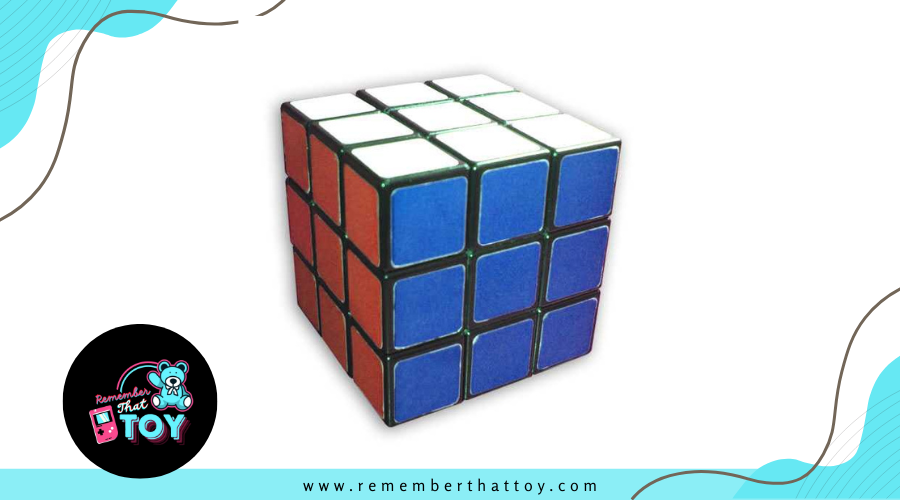
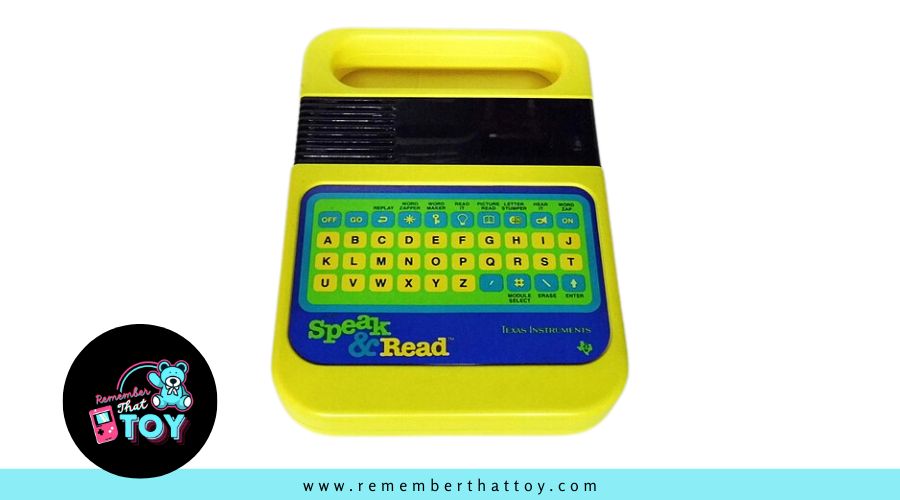
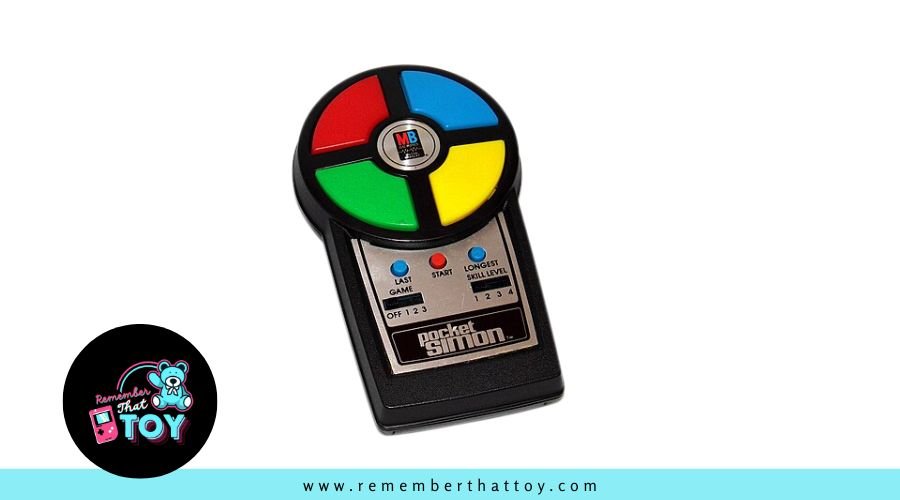
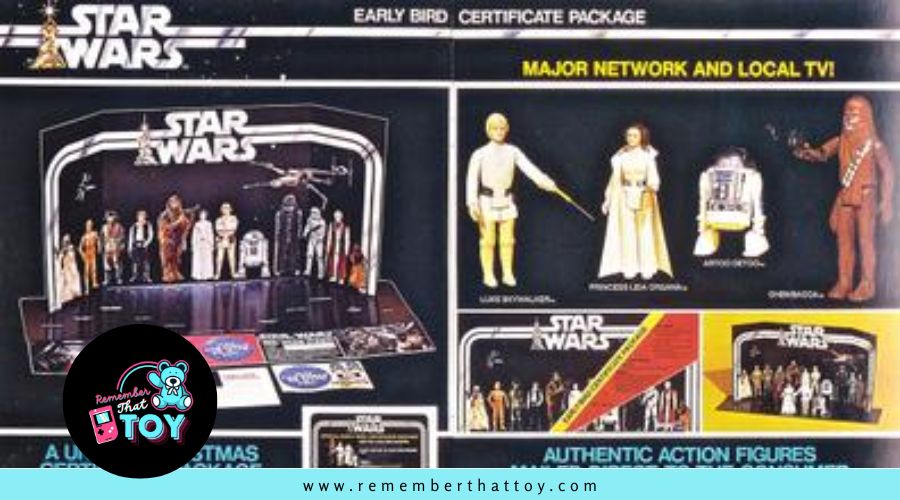
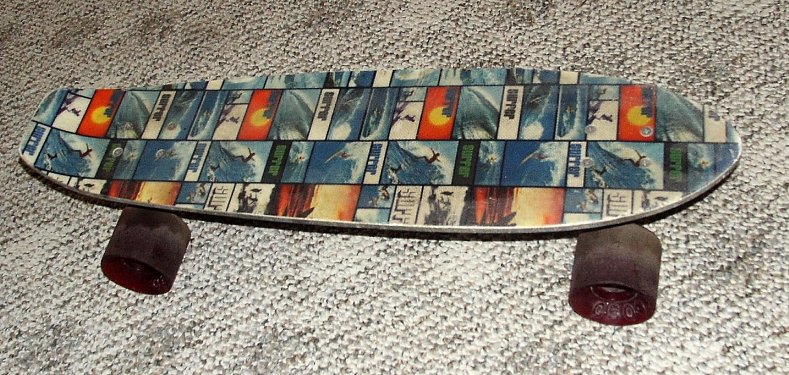
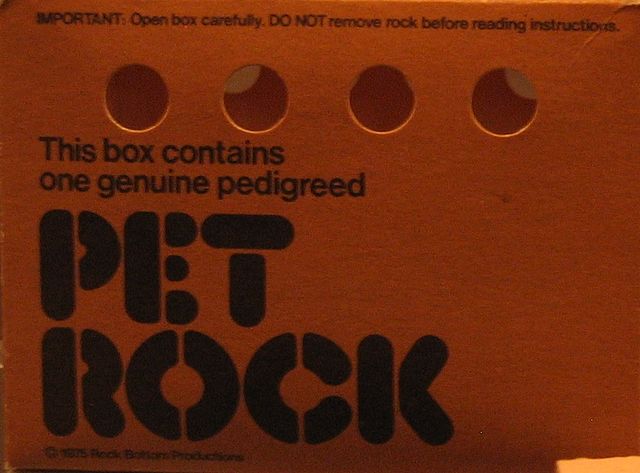
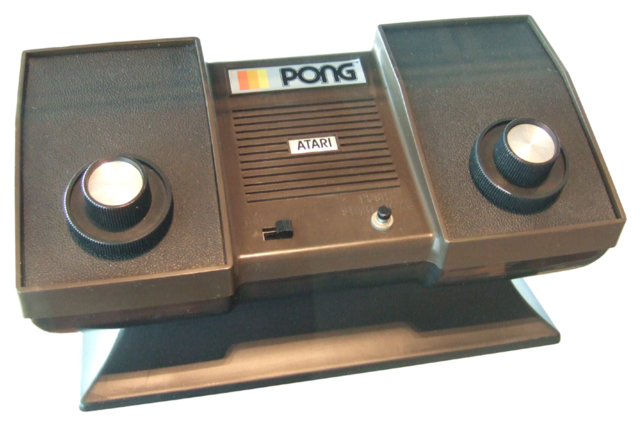
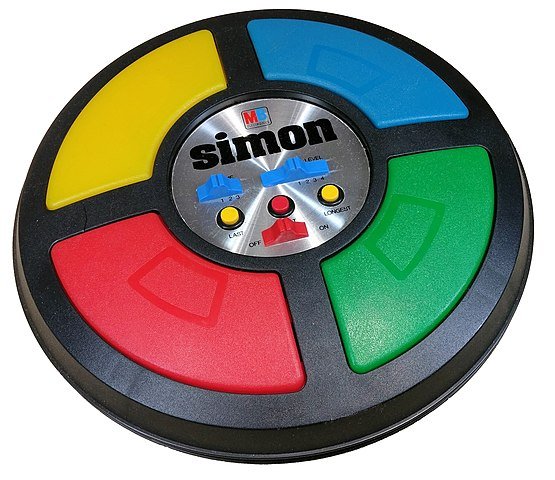
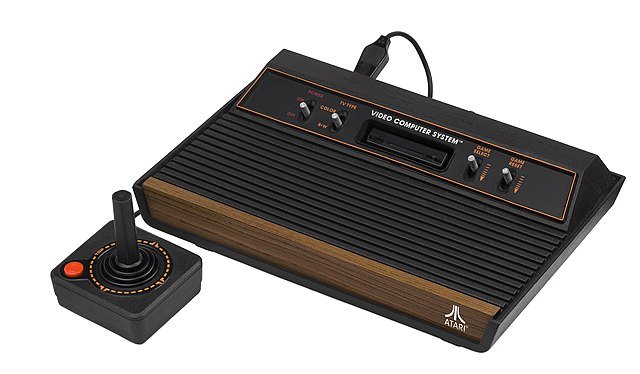
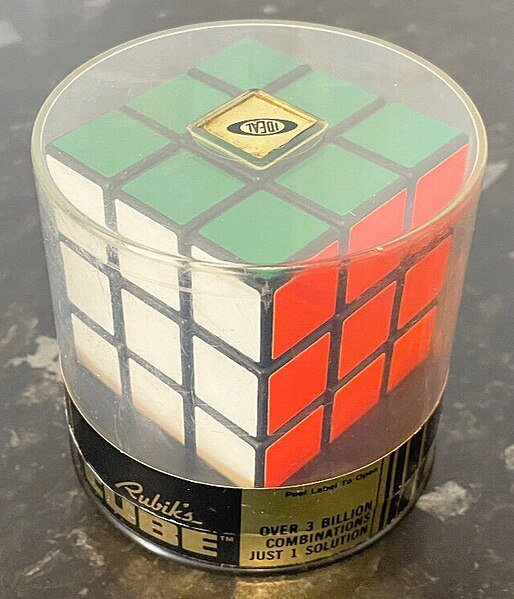
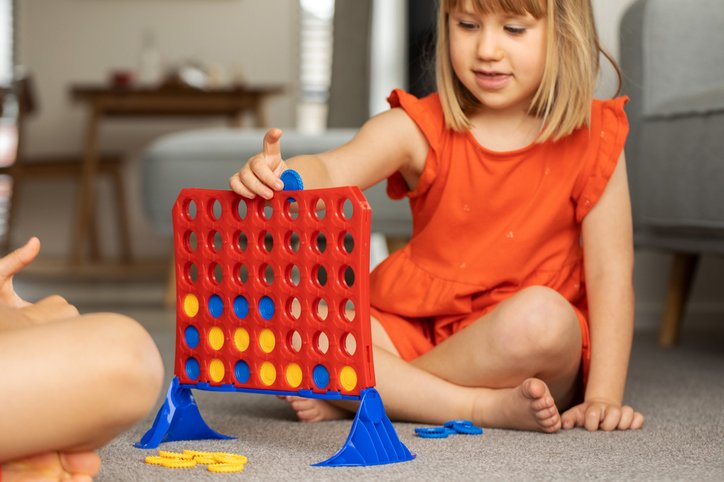
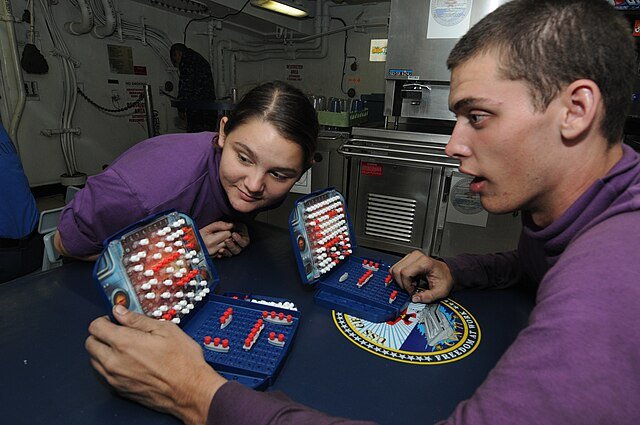
Parker Brothers introduced the Nerf ball in 1969. This four-inch ball, made of polyurethane foam, was designed for indoor use. It quickly gained popularity due to its soft and squishy nature, reducing the risk of damage when used inside homes. After its debut, the Nerf product line expanded to include items like the Nerf football, launched in 1972. These durable and safe toys became a favorite among children for indoor play. Weebles were a popular toy in the 1970s, known for their unique design and catchy tagline, "Weebles wobble, they don't fall down!" Introduced by Romper Room in 1969, these egg-shaped figures could balance impressively. The original set featured a brightly colored nuclear family, including Dad Weeble, Mom Weeble, brother, sister, baby Weeble, and even a family dog Weeble. Over time, various playsets, such as the Weeble house, circus, and haunted house, were released, making Weebles a staple of the era. The roots of skateboarding go back to the 1950s, but it gained real momentum in 1972. Frank Nasworthy's invention of urethane wheels marked a significant breakthrough. These wheels, manufactured by his company Cadillac Wheels, offered a smoother and faster ride. In 1976, the first skate park opened, setting off a trend that spread across the United States. This period established skateboarding as a popular pastime and sport, thanks to the improved ride quality and newly available dedicated spaces. Evel Knievel's daring stunts in the 1970s made him a household name. From jumping at Madison Square Garden to his attempt at Snake River Canyon, his feats were legendary. Ideal capitalized on his fame by creating an Evel Knievel toy line, including stunt cycles and cars. By 1977, these toys had grossed over $350 million. The toy allowed fans to recreate Knievel's thrilling jumps and crashes, sparking imaginations and bringing adventure to countless children. The Etch A Sketch was launched by Ohio Art Co. in 1960 after acquiring the invention from French electrician Andre Cassagnes for $25,000. This drawing toy, which uses aluminum powder, became an instant hit, especially during the Christmas season. Its popularity soared further in the late 1960s and early 1970s with the help of television commercials. The design and function of the Etch A Sketch have remained largely unchanged, retaining its classic appeal. Today's version is almost identical to the one that was a staple in the '70s, continuing to capture the imaginations of children and adults alike. In August 1975, Gary Dahl introduced his Pet Rock in San Francisco. Over the next few months, this quirky toy became a major fad. Each Pet Rock sold for $3.95 and came packaged in a clever cardboard box with breathing holes. The box also included an instructional pamphlet that humorously explained how to care for the "pet." The craze soon spread, leading to millions of sales. Pet Rocks generated songs like "I'm in Love With My Pet Rock" by Al Bolt, featured on the "Tonight Show," and even made it into films such as "Office Space." This fad largely ended by 1976. Atari released Pong in the summer of 1972, and it soon became the first commercially successful video game. The game featured a simple tennis-like concept: players used a controller to move a paddle and hit a small "ball" back and forth. Scoring happened when one player missed the ball. Although basic in design, the two-dimensional game captured the public's attention. By 1974, Atari had sold over 8,000 units of Pong. Released by Kenner in 1976, Stretch Armstrong was a groundbreaking 10-inch action figure. Priced at $11, it soon became a massive success, generating over $50 million in sales. The figure, made from latex and filled with corn syrup, could stretch up to four feet before returning to its original shape. Stretch Armstrong remained a favorite toy until 1979 and inspired various spin-offs like Stretch Octopus and Stretch X-Ray. Today, a pristine Stretch Armstrong can fetch over $1,000 from collectors. In 1977, Mego's Interchangeable World of Micronauts introduced a set of 3.5-inch action figures, including Acroyear, with parts that could be swapped to form new characters. These toys quickly gained popularity. Marvel soon created a comic series featuring battles between characters like the heroic Time Traveler, Pharoid, and Space Glider, and their adversaries, Acroyear and Acroyear II. The leaders, Baron Karza and Force Commander, further enriched the narrative. Micronauts toys became known for their unique design and dynamic playability. Released in 1977, Mattel Electronic Football became a significant precursor to later portable gaming devices. The game's objective was straightforward: guide the running back past red defenders to score. This electronic handheld game, powered by a 9-volt battery, featured two difficulty levels, Pro One and Pro Two. When the game was reintroduced in 2000, it failed to capture the same popularity as the original. Simon, introduced at the Toy Fair in 1978, is an electronic memory game featuring four colored sections: red, yellow, green, and blue. Players follow increasingly complex sequences of lights and sounds, pressing the buttons in the correct order. Mistakes end the game. Despite many similar games emerging, Simon remains a favorite. The game's success during the holiday season led to several spin-offs and updates. Speak & Spell, created by Texas Instruments, emerged in 1978 as an educational toy focusing on spelling. It contained a collection of several hundred commonly misspelled words. The toy would pronounce a word and the player would spell it using the raised buttons. This interactive design aimed to engage kids while teaching them proper spelling. Kenner Products held the licensing rights for "Star Wars" and faced unexpected success. For Christmas 1977, kids received a mail-in certificate that guaranteed them figures like Luke Skywalker, Princess Leia, R2-D2, and Chewbacca, which would be available in February. By 1978, the figures expanded to include Obi-Wan Kenobi, Darth Vader, Han Solo, C-3PO, Stormtrooper, Star Destroyer Commander, Jawa, and Tusken Raider. The demand skyrocketed, and by the end of 1978, Kenner earned $100 million from these figures. The initial release paved the way for a thriving market that continues to influence toy collections and pop culture today. The Lite Brite, released by Hasbro in 1967, became a beloved toy in the 1970s. This art toy features a backlit grid covered by a black sheet of paper. Kids create glowing images by inserting small colored pegs into the grid. These designs can be original or follow pre-patterned templates. The toy allows for endless creativity, as the glowing pictures can be taken apart and reassembled in new ways. This engaging and simple design captivated young artists and remains a nostalgic favorite. The Atari 2600, released in 1977, marked a significant leap from Atari's earlier success with Pong. Unlike systems that only supported a single game, this console could run a variety of game cartridges. Some of the initial games available were Air-Sea Battle, Basic Math, Blackjack, Combat, Indy 500, Star Ship, Street Racer, Surround, and Video Olympics. This flexibility in gaming options was revolutionary, allowing players numerous choices for entertainment. The Atari 2600 played a pivotal role in establishing the home video game market, laying the groundwork for future gaming consoles. The Rubik's Cube, invented by Erno Rubik in 1974, was initially a model to demonstrate 3D geometry. When presented at the 1979 Nuremberg Toy Show, it quickly gained popularity. Despite its complexity, with 43 quintillion possible configurations, it became the best-selling toy with over 350 million units sold by 2009. Many children found the puzzle challenging and resorted to peeling off the colored stickers to solve it. The Rubik's Cube remains a symbol of intellectual challenge and creativity, capturing the imagination of both youngsters and adults worldwide. The toy line based on the 1973 TV show, "The Six Million Dollar Man," became a huge success. The standout product was the 13-inch Steve Austin action figure, which wore a distinctive red tracksuit. Released in 1975, this toy featured unique elements like a bionic eye that functioned telescopically and a right arm capable of lifting up to two pounds. These innovative features made it a must-have for kids of the era. Boggle, a popular word game created by Allan Turnoff in 1972, was first sold as part of a three-game pack by Parker Brothers. This game quickly became a party favorite. Players are given three minutes to spot as many words as they can. Using lettered dice arranged in a 16-cube grid, participants connect adjacent letters to form words. Duplicates found by multiple players are not counted in the final score. Unique words earn one point each. Connect 4, a game that originated in 1973, shares similarities with Tic-Tac-Toe, making it an accessible game for many. The objective is to align four chips in a row on a 7x6-inch vertical grid, either horizontally, vertically, or diagonally. Invented by Howard Wexler, this game became a significant hit in 1978 after Milton Bradley began airing commercials. The excitement from ad campaigns helped transform Connect 4 into a major success by the end of the decade. Fred Kroll discovered Hungry Hungry Hippos in Japan and brought it to the United States in the mid-1970s. Milton Bradley purchased the rights from Kroll and started selling the game in 1978. The game has seen some minor changes over the years, but the main objective remains the same: Control a hippo to eat as many plastic marbles as possible from the center of the board. The player with the most marbles at the end wins. Rock 'Em Sock 'Em Robots, released by the Marx Toy Company in 1965, drew inspiration from a well-liked arcade game in Chicago. In this two-player game, each player tries to knock off the opponent's robot's head by using a lever to make their own robot "box." The robots were operated by the players who controlled the punching actions, making the gameplay highly interactive. Although the original game is no longer in production, Mattel now offers a slightly smaller version for today's kids to enjoy. Baby Alive, launched by Hasbro in 1973, quickly became a favorite toy. Marketed as a doll that could eat, drink, and wet itself, it offered children a realistic caregiving experience. Kids fed the doll special packets of food mixed with water, which it would "chew" and process. Although early versions using paper and pencil existed as far back as 1900, Milton Bradley introduced the plastic edition of Battleship in 1967. A game of strategy and deduction, players conceal their ships on grids and alternate turns to identify opposing ship locations by calling out coordinates. Victory goes to the player who sinks their opponent's entire fleet by accurately predicting all ship positions. "Starsky & Hutch," a popular buddy-cop TV show from 1975, featured actors Paul Michael Glaser and David Soul. One of the iconic elements was the duo's bright red Ford Gran Torino. This car became a favorite, and in 1976, Hot Wheels released miniature versions. These toy cars delighted fans and brought the excitement of the show into their homes. The Starsky & Hutch cars remain a memorable piece of 1970s pop culture. Bradross63, The first three versions of the famous Easy-Bake oven, CC BY-SA 4.0 The Easy-Bake Oven enabled countless children to learn baking skills by making tiny, ready-to-mix desserts with just the warmth of a 100-watt lightbulb. Released in 1963, it underwent a redesign in the 1970s, featuring a wood-paneled, avocado green look instead of the original teal. In 1973, a special version branded with Betty Crocker appeared, highlighting the company behind the dessert mixes. This oven became a staple in many households, sparking joy and creativity in young aspiring chefs everywhere. Shrinky Dinks hit the shelves at a shopping mall in Brookfield, Wisconsin, in 1973. Created by Betty Morris and Kathryn Bloomberg, these kits were initially a project for their sons' Boy Scouts troop. Each set includes sheets of thin polystyrene plastic, which users can decorate as they like. Once designed, these sheets are baked in the oven, causing them to shrink to one-third of their original size. The end products are small, hard plastic items that can be used as toys, charms, or collectibles. The Spirograph, a geometric drawing tool, was patented by a French mathematician in 1881. Kenner Toy Co. obtained the U.S. distribution rights and started selling the sets in 1966. The toy quickly gained popularity by the 1970s, especially among those with artistic interests. It enabled users to create countless intricate designs using the multi-piece plastic sets, captivating both children and adults. A twist on Tiddlywinks, Ants in the Pants was introduced by Schaper Games in 1967. It became popular in the 1970s. The goal is to catapult tiny plastic ants into a pair of plastic pants. Each player tries to get their ants in faster than their opponents. Today, Milton Bradley continues to produce this classic family game. In 1976, Mego introduced a line of dolls inspired by the popular TV show "The Sonny & Cher Comedy Hour." These 12-inch dolls featured jointed limbs and were dressed in colorful '70s attire. Boys and girls could recreate scenes from the show with the Sonny doll and various Cher dolls, enjoying their own mini comedy acts. In 1976, Mattel introduced a toy simply known as Slime. Packaged in a bright green trash can, Slime was advertised as "toxic waste you can play with!" Unlike an earlier, unsafe version from the 1960s, Mattel's Slime was made with food extenders and was much safer. Kids enjoyed the gooey texture and gross-out fun that Slime offered. Weebles
Skateboard
Evel Knievel Stunt Cycle and Car
Etch A Sketch
Pet Rock
Pong
Stretch Armstrong
Micronauts (Acroyear action figure)
Mattel Electronic Football
Simon
Speak & Spell
Star Wars Action Figures
Lite Brite
Atari 2600
Rubik's Cube
The Six Million Dollar Man Action Figure
Boggle
Connect 4
Hungry Hungry Hippos
Rock 'Em Sock 'Em Robots
Baby Alive
Battleship
Starsky & Hutch Cars
Easy-Bake Oven

Shrinky Dinks
Spirograph
Ants in the Pants
Sonny & Cher dolls
Slime